



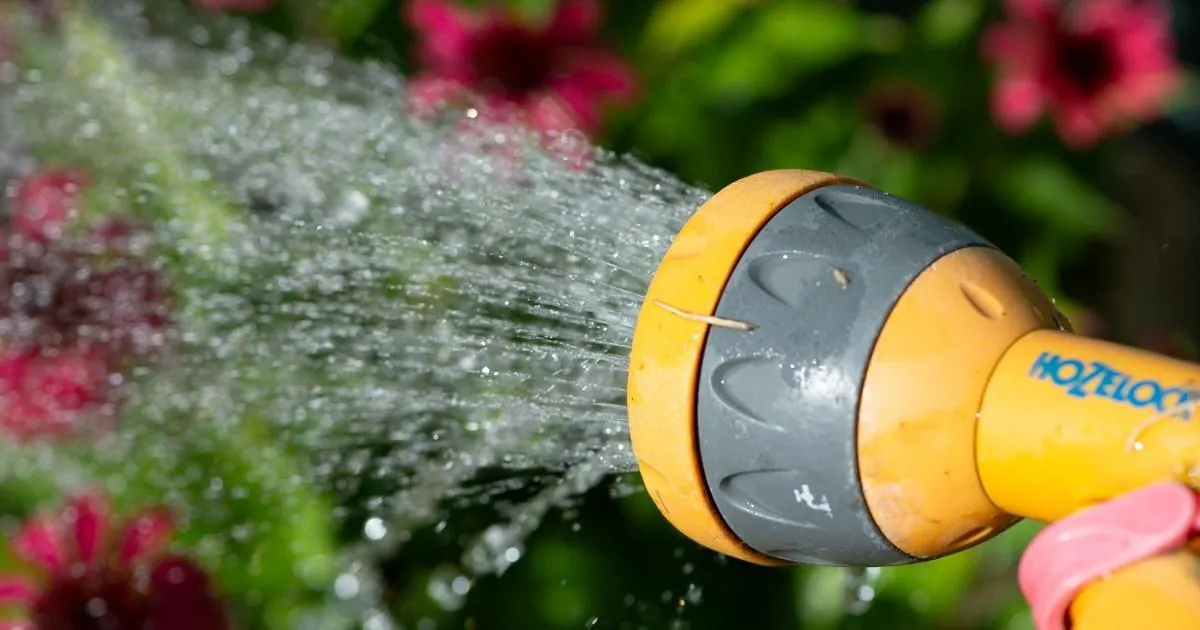
The recent announcement by Essex and Suffolk Water marks a significant and sobering milestone for the region. For the first time since 1997, residents across parts of London, Essex, and Suffolk are being asked to put away their garden hoses as the company implements a temporary ban during this period of extreme, unrelenting dry weather. While these restrictions don’t officially kick in until the stroke of midnight this coming Monday, the supplier has made an earnest appeal for households to begin scaling back their water usage immediately. This ripple effect of environmental strain is becoming increasingly difficult to ignore, as Essex and Suffolk join an expanding list of major utility providers—including Thames Water, Anglian Water, and Affinity Water—all forced to take similar emergency measures to manage dwindling supplies.
The rules are straightforward but impactful: the ban covers all non-essential domestic water use. This means no more irrigation for thirsty home gardens, no pressure-washing driveways or windows, and no topping up garden fountains or backyard swimming pools. It is a stark reminder that even in our modern, well-connected society, we are fundamentally reliant on the natural cycle of rainfall, which has been conspicuously absent for far too long. In a message shared with the community via social media, the water company emphasized that this was not a decision made in haste. Instead, they framed it as a collective responsibility, explaining that by cutting back on these luxuries now, we can help protect local rivers, preserve fragile wildlife habitats, and ensure there is enough water to go around for the essential weeks of heat that remain.
To understand the broader context, one only has to look at the map of the United Kingdom, which is currently painted with the reality of widespread drought conditions. From the pastoral reaches of Norfolk and rural Suffolk to the sprawling suburbs of London and the rolling hills of Surrey, huge swathes of the country are buckling under the weight of an unprecedented summer heatwave. Recent statistics on the human toll are deeply unsettling, with reports suggesting that nearly 3,000 lives have been lost in connection with these extreme temperatures. When we move past the inconvenience of a dead lawn or a dusty patio, the situation shifts into something much more grave, reflecting a national crisis that touches everything from our public health systems to the stability of our local ecosystems.
Beyond the dry taps and brown fields, the environment is quite literally burning. The tinder-dry conditions have turned parts of the British countryside into fire traps, with wildfires now causing catastrophic damage. A heartbreaking example of this unfolded recently at Dunwich Heath on the Suffolk coast, where a major incident was declared after a massive blaze tore through 150 hectares of land—a space roughly equivalent to 210 football pitches—in just 24 hours. The visceral shock of seeing homes evacuated and aerial images showing the scorched earth gives a haunting perspective on the proximity of the danger. For many, that fire was not a distant news story; it was a frighteningly close call for nearby communities and holidaymakers, serving as a grim barometer of our current climate crisis.
It is easy, perhaps, to become fatigued by the relentless cycle of bad news during a heatwave, but these incidents highlight an urgent need for a shift in how we view our resources. Managing the balance between public convenience and environmental survival is no longer a theoretical exercise for the future; it is the reality of our current day-to-day existence. While we look for ways to cope—whether it’s searching for cooling bedding to find a moment of sleep, or attempting to keep pests like the recent swarms of flies at bay—it is essential to remember that these are just symptoms of a much larger, global shift. We are, quite simply, living through a summer that is testing the infrastructure and the resilience of the nation in ways we haven’t seen in over two decades.
Ultimately, this season of drought serves as a blunt wake-up call about the fragility of the environment we often take for granted. As we comply with these new hosepipe bans, it’s worth viewing them not just as a bureaucratic restriction, but as a necessary act of solidarity. We are all living on the same small island, drawing from the same resources, and facing the same parched earth. As we move forward through the remainder of this sweltering summer, the small actions of a single household—like saving a few gallons of water or staying mindful of our output—contribute to a larger effort to buffer the impact of the heat on our neighbors and our natural world. By working together to throttle back our usage, we can at least ensure that the most essential needs are met while we wait, with eyes cast toward the horizon, for the rain to finally return.