
Paragraph 1: The Shattering of a Normal Life
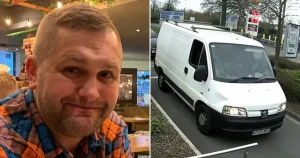
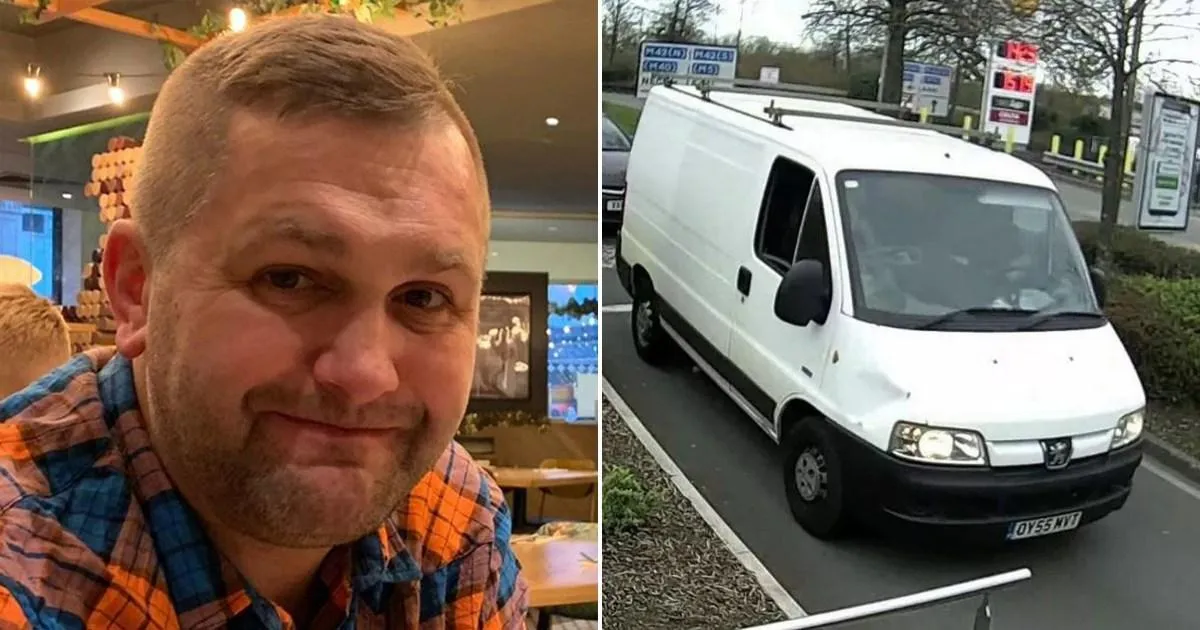
In the quiet, unassuming streets of Handsworth, Birmingham, life for the Samel family was one of ordinary rhythms—school runs, work, and the comforting predictability of home. Tomasz Samel, a 45-year-old father, was a man woven into the fabric of his community, known for his hard work and dedication to his loved ones. That sense of security was shattered irreparably in March 2019 when a knock at the door of their home in Raleigh Close signaled not a friendly visit, but the beginning of a nightmare. Posing as INTERPOL officers, a group of men used the guise of authority to breach the sanctity of the family home. The shock and confusion of seeing official-looking badges and hearing stern commands would have been overwhelming, but the terror that followed was unimaginable. Tomasz was violently separated from his family, his desperate pleas and the screams of his loved ones echoing in the hallway as he was forcibly bundled into a waiting white Peugeot van. The abduction was swift, brutal, and chillingly professional, leaving his family traumatized and utterly helpless, watching the vehicle disappear into the night, unaware that they would never see him alive again in any meaningful sense. The initial hours were a blur of panic and frantic calls to the police, as his family clung to the hope that this was a case of mistaken identity or a robbery gone wrong. They could not have fathomed the calculated, cold-blooded conspiracy that had been orchestrated against him, nor the sheer depravity that awaited him at the end of that van ride. The home that had once been a haven of safety had become a crime scene, a place forever haunted by the memory of that violent intrusion and the image of a father being dragged away by men who wore the mask of law enforcement to commit the ultimate act of lawlessness.
Paragraph 2: The Journey into Hell
The journey from Birmingham to Liverpool was not merely a geographical distance; it was a descent into a private hell designed by an organized crime group intent on delivering a brutal message. Inside the confines of the white Peugeot van, Tomasz Samel was subjected to unimaginable psychological and physical torment. The men who had taken him were not random thugs but operatives of a criminal enterprise, and their actions were methodical and merciless. They drove him to a remote location in Merseyside, a place chosen for its isolation, where the screams of a victim would be swallowed by the emptiness of the landscape. It was there that the true horror unfolded. The perpetrators, acting on the orders of a higher criminal authority, doused Tomasz in petrol. The acrid smell of fuel would have been the last thing he registered before the ignition of a flame transformed his world into an inferno of agony. The attack was designed to kill, to erase him from existence in the most painful way imaginable. The fire consumed his flesh, causing third-degree burns across 75% of his body, leaving him a shell of the man he once was. In a final act of cruelty, they dumped his burning, broken body in a remote spot, leaving him for dead. Yet, in a testament to the indomitable human spirit, Tomasz did not surrender. Despite the catastrophic injuries, the searing pain, and the shock that wracked his system, he managed to summon a reserve of strength to crawl and seek help. His survival instinct was so profound that he refused to die in that desolate place, eventually flagging down assistance and being rushed to a hospital, where the fight for his life would begin in earnest.
Paragraph 3: The Agony of the Aftermath
For three months, Tomasz Samel lay in a hospital bed, his body ravaged by the fire that had been meant to end his life. The medical team fought tirelessly to save him, performing countless procedures to treat his burns and stave off infection. His family maintained a constant vigil, their hearts breaking with every passing day as they watched him endure a level of suffering that no human should ever have to bear. The physical pain was matched only by the emotional devastation of knowing that his life had been violently upended by men who saw him merely as a liability to be eliminated. The attack was not a random act of violence; it was a punishment. The motive, as later revealed in court, was rooted in a financial dispute within the shadowy world of organized crime. HMRC had seized £1 million worth of cigarettes stored at a unit in Aston that was linked to Tomasz. This seizure represented a massive financial loss for the criminal network, and in their twisted logic, Tomasz was held responsible. The organized crime group decided that he needed to be made an example of, a brutal warning to anyone else who might jeopardize their operations. As Tomasz fought for his life, West Midlands Police launched a complex and extensive investigation. Detectives worked around the clock, piecing together forensic evidence, analyzing digital footprints, and interviewing witnesses. The case was a labyrinth of criminal connections, requiring painstaking work to untangle the web of conspiracy that had led to the abduction. The investigation stretched across the country, from Birmingham to Liverpool, Bristol, and Banbury, as the net slowly began to close around the perpetrators.
Paragraph 4: The Scales of Justice
The culmination of this lengthy investigation was a trial at Birmingham Crown Court that laid bare the chilling details of the conspiracy. The courtroom became a stage for the grim testimony of forensic experts, detectives, and the harrowing evidence of the attack. Four men stood accused of playing their part in the torture and murder of Tomasz Samel. The jury was tasked with dissecting the roles of each defendant, determining who had orchestrated the attack, who had carried it out, and who had aided in the cover-up. After weeks of deliberation, the verdicts were delivered. Tobiasz Kozlowski, 38, from Kirkby, Merseyside, and Neil Jones, 48, of no fixed address, were found guilty of the most serious charge: murder. They were also convicted of conspiracy to cause grievous bodily harm, reflecting their direct involvement in the physical attack that led to Tomasz’s death. The court heard how these two men were the principal actors in the execution of the plot. In contrast, Kevin Wooden, 46, from Banbury, and Kye Arthur, 35, from Bristol, were cleared of the murder charge but found guilty of the lesser charge of manslaughter. This distinction in the verdicts suggests that while the jury believed Wooden and Arthur played a significant role in the events that led to Tomasz’s death, they did not possess the same level of intent to kill as Kozlowski and Jones. All four men had previously admitted to conspiracy to kidnap and falsely imprison, acknowledging their part in the initial abduction. The courtroom also saw the conviction of Sandra Kozlowska, 38, the wife of Tobiasz Kozlowski, who was found guilty of assisting an offender, having likely helped to conceal the crime or hinder the investigation in its immediate aftermath.
Paragraph 5: The Cold Logic of the Underworld
The sentencing was adjourned until October 9, leaving the convicted men to await their fate in custody, while Kozlowska was granted bail. The verdicts brought a measure of justice, but they also exposed the chilling, transactional nature of organized crime. The attack on Tomasz Samel was not born of personal animosity or a moment of heated rage; it was a calculated business decision. The seizure of the £1 million worth of cigarettes by HMRC had created a debt that the criminal organization demanded be paid in blood. In the unforgiving hierarchy of the underworld, a loss of that magnitude cannot go unanswered. It threatens the authority of the leaders and invites further challenges. Therefore, Tomasz was marked for death as a deterrent, a gruesome spectacle designed to send a message to anyone else who might consider crossing the organization or failing to protect its assets. The use of fake INTERPOL officers highlights the audacity and resources of the group, showing they were willing to go to extreme lengths to carry out their sentence. The torture and burning were not just methods of killing; they were rituals of punishment, intended to maximize suffering and create a lasting terror. The fact that they dumped his body in a remote location, assuming he would die unnoticed, speaks to their arrogance and their belief that they were above the law. However, they underestimated the resilience of their victim and the tenacity of the police. The investigation that followed was a testament to the commitment of law enforcement to bring these individuals to justice, proving that even the most secretive and brutal criminal networks can be penetrated and dismantled.
Paragraph 6: A Family’s Enduring Grief and the Quest for Closure
In the wake of the verdicts, Kate Seal, from the Crown Prosecution Service, articulated the profound gravity of the case. She stated, “This was a brutal attack on a man who was kidnapped from his own home and subjected to horrendous violence.” Her words echoed the sentiment of the court and the public, acknowledging the sheer savagery of the crime. She went on to praise the collaborative efforts of the CPS and West Midlands Police, who worked “closely… throughout this lengthy and complex investigation to pursue lines of enquiry and build a case using forensic, digital and witness evidence.” The most poignant part of her statement was her acknowledgment of the victims’ family, who “have endured unimaginable suffering, including witnessing his abduction from their family home.” The trauma of that night will forever be etched into their memories. They not only lost a husband and father but were forced to watch the beginning of his horrific ordeal. Ms. Seal expressed her hope that “these verdicts provide some measure of closure and reassurance that justice has been achieved.” While justice has been served in the eyes of the law, the closure for the family is bittersweet. No verdict can bring Tomasz back, nor erase the images of his suffering. The three months he spent fighting for his life in the hospital, only to succumb to his injuries, represent a period of prolonged agony for his loved ones. The convictions of Kozlowski, Jones, Wooden, and Arthur, along with the guilty plea of Kozlowska, ensure that those responsible will face the consequences of their actions. But as the family leaves the courtroom, they carry with them a permanent void, a reminder that while the legal system can punish the perpetrators, it cannot heal the wounds inflicted by such senseless cruelty. The memory of Tomasz Samel, a father taken too soon in a brutal act of vengeance, will live on, a somber reminder of the fragility of life and the darkness that can lurk beneath the surface of society.