

The prolonged spell of dry, parched weather that has gripped the United Kingdom has come to a sudden and dramatic halt. After months of drought conditions that left reservoirs low, gardens brown, and landscapes cracked, the wet weather has officially returned with a vengeance. The transition has been anything but gentle, as thunderstorms have swept across large parts of England and Wales, bringing with them intense downpours that have overwhelmed drainage systems and caused significant flash flooding. The sudden shift from drought to deluge is a stark reminder of the volatile and unpredictable nature of the UK’s climate, catching many residents off guard who had become accustomed to the dry, sunny days. The sound of rain hammering against windows, once a distant memory, is now a constant presence, signaling a new and challenging chapter for the region as it grapples with the immediate consequences of this meteorological U-turn.
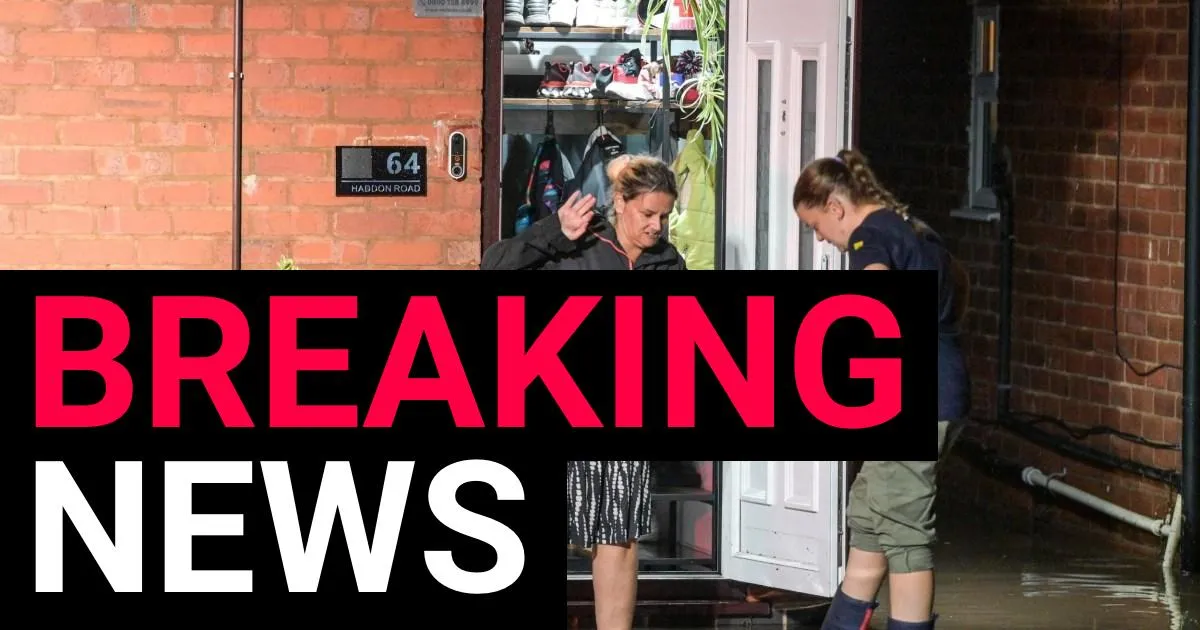
The epicenter of the chaos has been the West Midlands, where the city of Birmingham has found itself at the heart of the flooding crisis. West Midlands Fire Service has been working tirelessly, confirming that it has been called out to a number of incidents involving “significant flooding” throughout the city. The situation escalated rapidly on Wednesday night, as a flood warning was officially issued for the Perry Barr area due to dangerously rising river levels. The relentless rain caused waterways to swell, spilling over their banks and turning residential streets into fast-moving rivers. Specific areas, including Curbar Road, Thornbridge Avenue, and Haddon Road, have been particularly hard-hit, with fire crews responding to urgent calls from residents finding water rapidly entering their homes and properties. The emergency services have been stretched to their limits, focusing on protecting life and property as the full force of the storm makes itself felt.
In the wake of the deluge, local authorities have issued a clear and urgent plea to the public: stay away from the floodwater. Birmingham City Council has taken to various channels to provide guidance and advice, strongly advising people to “take care and avoid walking, cycling or driving through flood water.” This warning is not issued lightly; floodwater is often deceptively dangerous. It can conceal a multitude of hazards, including submerged manhole covers, sharp debris, and open trenches. The water can also be contaminated with sewage and other pollutants, posing serious health risks. Furthermore, just a small amount of moving water can easily sweep a person off their feet, and a vehicle can be rendered unstable or even float in just a foot or two of water. The advice to avoid the water is a critical attempt to prevent what could be a tragic series of accidents as residents navigate the flooded streets.
The scale of the disruption extends beyond the immediate rescue efforts in Birmingham. The Environment Agency, the body responsible for monitoring and managing flood risk in England, has issued a total of 22 flood alerts across the Midlands and the South East. While these alerts, which indicate that “flooding is possible,” are a step below the more severe flood warnings, they nonetheless serve as an important indicator of the widespread nature of the threat. These alerts act as an early warning system for communities in these regions, urging them to prepare for potential further issues. The weather system, which is moving across the country, is expected to continue bringing heavy showers and thunderstorms, meaning that other areas could also experience similar problems in the coming hours. The focus is now on monitoring river levels and ensuring that communities have the most up-to-date information to stay safe as the unsettled weather continues to dominate the forecast.