

Here is a humanized and expanded summary of the provided text, structured into six paragraphs as requested.
—
The United Kingdom is currently in the grip of an intense heatwave that has transformed the landscape into a veritable tinderbox, prompting urgent warnings from officials and emergency services. With temperatures soaring to unprecedented levels, the risk of wildfires has become a critical concern, leading to a nationwide call for vigilance and restraint. The authorities are particularly focused on preventing human-caused fires, which have already devastated communities and put immense strain on firefighting resources. As the nation swelters, the message is clear: individual actions have collective consequences, and a moment of carelessness could ignite a disaster that affects homes, lives, and the natural environment. The collective effort to stay safe requires a united front, with everyone understanding their role in preventing a crisis, from avoiding the use of disposable barbecues to refraining from any activity that could create a spark in the dry grass.
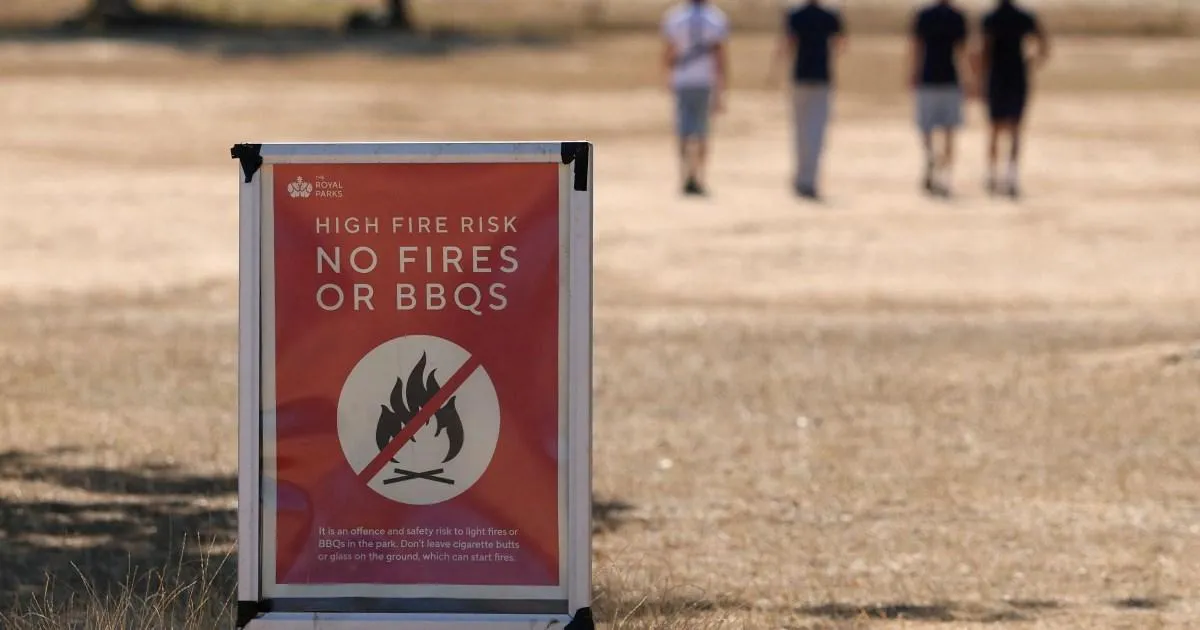
In a significant development, the government has issued a nationwide alert, blasting millions of phones with an emergency message that underscored the severity of the situation. This stark warning, which shattered the evening quiet on what was a record-breaking day for heat, served as a decisive wake-up call to the public. The alert explicitly advised people against lighting anything that could potentially trigger a wildfire, including the seemingly harmless summer pastimes of barbecuing in parks and gardens and using garden incinerators. The sheer scale of this notification highlights the extraordinary nature of the current conditions, illustrating that this is not a routine advisory but a serious emergency measure. It marks a pivotal moment in the public’s awareness of the extreme fire risk, cutting through the usual noise of weather forecasts and news reports to deliver a direct and personal imperative to every citizen.
Adding to the urgency, Prime Minister Andy Burnham reinforced the government’s warning with a personal appeal, employing the vivid metaphor of a “tinderbox” to describe the current state of the nation. His plea came on the heels of a visit to Stourbridge in the West Midlands, where the reality of the danger had already been tragically demonstrated by a wildfire that tore through the area, consuming over 500 acres of land and destroying 19 homes earlier in the week. This personal experience of seeing the devastation firsthand lent a powerful weight to his words. In response to this incident and the ongoing threat, he took the decisive step of announcing a temporary ban on disposable barbecues—a concrete measure designed to remove a primary source of ignition. His subsequent advice urged home cooks and gardeners to exercise extreme caution, asking them to refrain from lighting any fires “in gardens, the countryside or other open spaces, including parks, moorland and wooded areas,” emphasizing the need for a comprehensive and cautious approach.
The frontline response to this crisis has been led by local fire and rescue services, who are working around the clock to combat outbreaks and, just as importantly, to manage the deluge of calls from a concerned public. Services like Surrey Fire and Rescue found themselves experiencing a “high volume” of 999 calls, many of which were for reports of neighbours engaging in activities like having bonfires or campfires, which, while concerning, were not immediate emergencies. In a plea echoed across the country, they asked citizens to reserve the emergency line for genuine crises, specifically those involving a fire producing significant smoke or posing an immediate threat to life or property. This careful management of resources is crucial in a time of heightened risk, ensuring that firefighters are available to respond to the most dangerous situations without being overwhelmed by well-intentioned but non-urgent reports. The public’s cooperation in this regard is vital to the effectiveness of the emergency response.
Similar sentiments were expressed by the Gloucestershire Fire and Rescue Service, which took to social media to both thank the public for their vigilance and reiterate the key guidance. While expressing appreciation for the community’s awareness, they firmly advised against the use of bonfires, fireworks, campfires, and disposable barbecues in the current tinder-dry conditions. They echoed the same urgent plea to only dial 999 in the event of a genuine emergency or an immediate risk to life, property, or the environment. This coordinated messaging from multiple services demonstrates a unified front, working to control the narrative and ensure that a public, motivated by fear, does not inadvertently hinder the crucial work of the emergency services. The consistent advice helps to set clear expectations and reduces confusion, allowing for a more streamlined and effective community response to the crisis.
Despite the collective efforts to prevent them, the scale of the problem is immense. In a separate but related incident, police confirmed that four 14-year-old boys were arrested on suspicion of arson following a fire on a mountain near Porth in South Wales, illustrating the variety of ways these blazes can start. Meanwhile, the Met Office confirmed that Friday was provisionally the 10th consecutive day that temperatures had exceeded 35°C, a statistic that places this heatwave firmly in the record books. Even places not typically associated with extreme heat, like Frittenden near Ashford in Kent, recorded temperatures of 35.3°C. These figures underscore the unprecedented nature of the weather and the sustained pressure it places on all resources. With the forecast offering little sign of relief, the message remains stark and simple: we must all remain vigilant, adapt our behavior to these extraordinary conditions, and work together to prevent further tragedies, safeguarding our communities and our precious green spaces until the heat wave finally breaks.