
It began, as these things often do, in the quiet countryside near Belford, Northumberland, where the rhythm of life on a poultry farm is measured in feed times, egg counts, and the low, constant murmur of thousands of birds. But that familiar rhythm has been shattered. An outbreak of bird flu has swept through the farm, and the consequences are stark: two thousand birds have already died from the virus. Now, in a desperate bid to contain the spread and prevent a wider catastrophe, officials have made the agonizing decision to cull a further 29,000 birds. The farm itself is now enveloped by an exclusion zone, a silent ring of caution that marks the beginning of a very dark chapter for the people who work there. For the wider community, the news lands like a stone in a still pond, sending ripples of worry far beyond the farm gates. It is not just about the loss of life among the birds, tragic as that is; it is about what this means for the festive season, for local livelihoods, and for the age-old tradition of the Christmas dinner table.
The strain responsible for this devastation is the H5N1 virus, a highly pathogenic avian influenza that has become the stuff of nightmares for poultry farmers across Europe and beyond. Although bird flu is a disease that naturally occurs in birds, this particular variant is especially virulent, spreading quickly and often proving fatal. The most likely culprit, as is so often the case during the colder months, is the arrival of wild birds migrating from mainland Europe to spend the winter in the UK. These wild visitors—some of them beautiful species like ducks, geese, and swans—can carry the virus without showing a single symptom, acting as silent couriers of disease across borders and oceans. When they stop to rest or feed, they can mix with domestic poultry, and that fleeting contact is all it takes for the virus to leap into a captive flock. Councillor Gordon Stewart, speaking on behalf of the local authority, explained the danger plainly, noting that where wild birds are allowed to mix with domestic birds, the disease can spread quickly. His words carry a warning that every bird keeper in the region is now taking very seriously indeed.
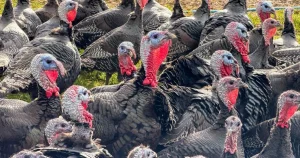
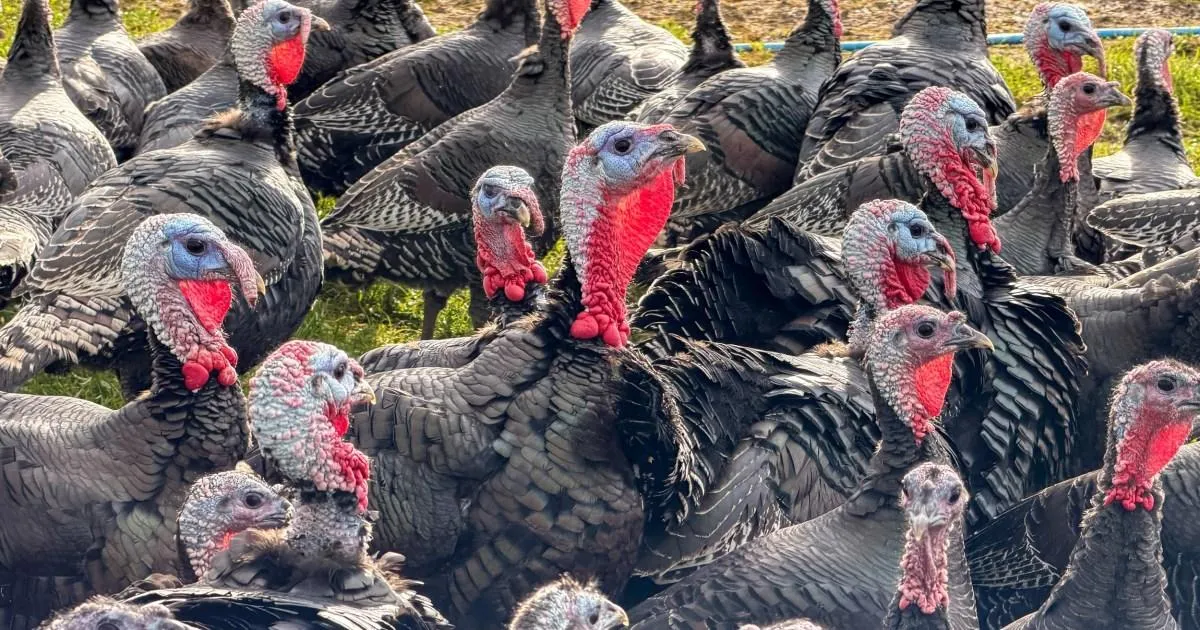
Behind the clinical language of outbreaks and culls lies a deeply human story, one of anxiety, sleepless nights, and financial ruin. Northumberland County Councillor Guy Renner-Thompson did not mince words when he described the stakes for other farms in the area, particularly those that rear turkeys. Christmas is not just a festive milestone for these farmers; it is the culmination of a year’s worth of hard work, care, and investment. The weeks leading up to December are the main money-making period for turkey producers, the moment when all their dedication is supposed to pay off. If bird flu were to reach those farms, the consequences would be catastrophic. “If bird flu gets into those, that’s ruined them for the year,” he told the BBC, his words carrying the weight of an entire industry’s anxiety. The culling of 29,000 birds on the affected farm is not an act of cruelty but one of hard necessity, a heartbreaking biosecurity measure designed to protect the wider poultry population. Yet for the farmer who has raised those birds, each one represents hours of labour, a living creature entrusted to their care, and a livelihood hanging by a thread.
For those who keep birds, even on a small scale, the signs of avian influenza are now chillingly familiar. The symptoms are distressing to witness: a swollen head, closed and runny eyes, lethargy and depression, birds lying down and unresponsive to the world around them. There may be a lack of coordination, a sudden loss of appetite, and a strange increase or decrease in water consumption. These are not just medical details; they are the signs that keepers must look for every single day, knowing that early detection could mean the difference between containment and catastrophe. But the stealthy nature of the virus is what makes it so insidious. Some species, particularly waterfowl, can carry the disease and spread it without ever appearing ill. This means a flock can look perfectly healthy one morning and be in crisis by evening. The call from officials is clear: bird keepers should remain alert for any signs of disease, report suspected cases immediately, and maintain rigorous biosecurity on their premises. It is a plea for vigilance that comes at a particularly stressful time of year, when farmers are already stretched thin and the pressure of the Christmas season is mounting.
The response to the outbreak is now underway, and it is as methodical as it is grim. A protection zone has been established around the affected farm, restricting the movement of poultry, eggs, and equipment to prevent the virus from wandering further afield. The culling of the remaining 29,000 birds is being carried out by trained professionals, using the most humane methods available, but that does not make the task any less emotionally taxing. For the workers on the ground, it is a gruelling and sorrowful job, made worse by the knowledge that these birds were healthy, thriving, and destined for the food chain. The cull is not a punishment; it is a sacrifice, a cruel accounting in which the lives of thousands are taken to protect millions. It is also a reminder of how fragile our food system can be, and how quickly nature can remind us of its power. The local community, meanwhile, watches with bated breath, hoping that the containment measures work and that the virus does not leap to another farm, another flock, another family’s livelihood.
As the days tick by and December approaches, the question on everyone’s mind is whether Christmas lunches will be safe. The answer, for now, is cautious optimism, but it comes with a caveat: everything depends on the next few weeks. The situation in Northumberland is a stark reminder that the turkey on our tables is not simply a supermarket commodity. It is the product of a year-round journey, a journey filled with hope, hard work, and vulnerability. Farmers across the country are now redoubling their efforts, tightening biosecurity, monitoring their flocks, and praying that this outbreak is contained. For consumers, the story is a prompt to think about where our food comes from and the people who produce it. There is solace in the fact that strict controls and rapid responses have helped the UK weather previous bird flu outbreaks, but there is no room for complacency. The farmer near Belford who lost 2,000 birds and now faces the cull of thousands more has become an unwitting symbol of resilience in the face of an invisible enemy. The rest of us, as we plan our festive meals, can only hope that the efforts of these dedicated men and women pay off, and that the greatest tradition of Christmas—a table shared with loved ones—remains intact. But we should also remember that behind every roast dinner, there is a story, and sometimes that story is one of sacrifice, sorrow, and the quiet, unyielding determination of the people who feed us.