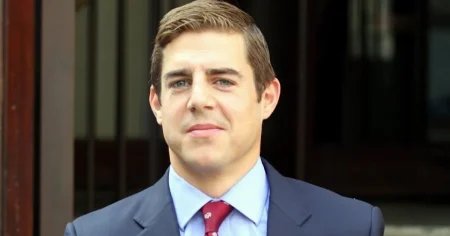
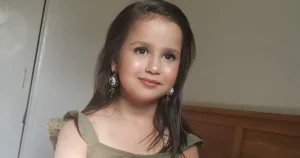

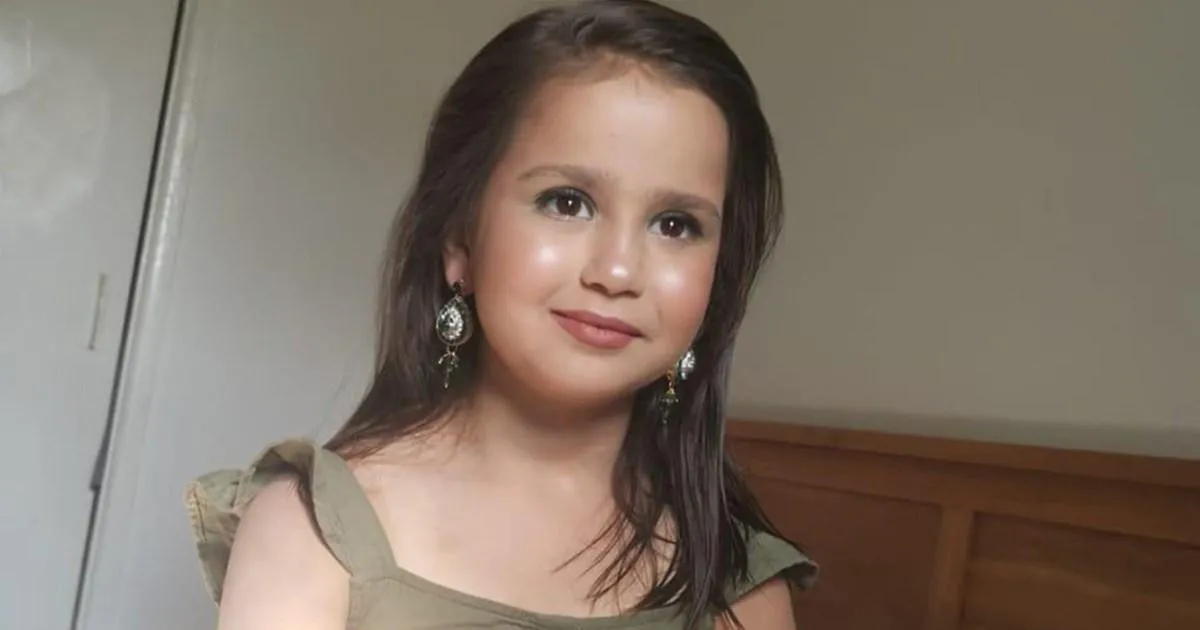
It is hard to imagine a more devastating loss than that of a ten-year-old child, especially one whose death came not at the hands of a stranger, but within the supposed safety of her own home. The case of Sara Sharif has haunted the nation since August 2023, when her small body was discovered in a bunk bed at the family home in Woking, Surrey. The horror of that discovery was compounded by the revelations that followed: Sara’s father, Urfan Sharif, and her stepmother, Beinash Batool, were later convicted of her murder and jailed for life. Now, as the legal process moves toward a full inquest, another layer of this tragic story has emerged. A senior coroner has rejected requests from three Surrey County Council workers who wanted to remain anonymous while giving evidence. The decision means that, when the inquest finally takes place, these public employees will have their identities reported by the press, in keeping with the principle of open justice. It is a ruling that underscores the difficult balance between protecting individual privacy and ensuring that the full truth of what happened to Sara is brought into the open.
Sara’s short life appears to have been marked by suffering from the very beginning. Even before her death, there were warning signs that should have prompted urgent action. Concerns about her care were raised within days of her birth in 2013, and her parents were already known to social services as early as 2010, years before she was even born. Last year, a lengthy review into the handling of Sara’s case concluded that there had been multiple missed opportunities to save her from harm. The review, which examined the roles of various services including police, health, social care and education, stated that Sara had been “a victim of domestic abuse from birth onwards.” Those words carry an unbearable weight. They suggest a childhood that should have been filled with love and security, but instead was defined by fear and violence, all while the systems meant to protect her failed to intervene effectively. The phrase “safeguarding system” can sound abstract, but in Sara’s case it meant real professionals making real decisions, and those decisions had tragic consequences. The fact that her parents were known to authorities long before she was born makes the failure even harder to process. There were chances to step in, to ask harder questions, to see what was happening behind closed doors. For whatever reason, those chances were missed.
Against that backdrop, the recent legal application by three council workers becomes more understandable. At a pre-inquest review hearing last week, Alethea Redfern, acting on behalf of Surrey County Council, applied for anonymity for the three employees. Their identities were not yet public, but they were expected to give evidence at the full inquest, and the council argued that having their names reported by the press could cause them real harm. Ms Redfern said the anonymity was needed to protect the workers “from harm to their health and private and family lives,” which could result from their identity being made public when they give evidence. She also warned that there was a risk the employees could no longer do their jobs if their identities were revealed, which would represent a “loss of valuable resource to Surrey County Council.” On a human level, it is easy to understand why these workers might have been anxious. No one wants to be publicly identified in connection with a case involving the murder of a child. The public mood can be angry, and social media can be merciless. People may fear judgment, harassment, or even threats, not just for themselves but for their families. The prospect of having your name and face connected to a tragedy like Sara’s, even if you were not personally responsible for her death, is enough to make anyone uneasy. The desire to step forward and testify with some measure of protection is not unreasonable.
However, the coroner, Richard Travers, was not persuaded. In a written judgment, he refused all three applications for anonymity. His reasoning was careful and grounded in legal principle. Mr Travers said he had considered the evidence in the context of all relevant legal principles and had decided that anonymity was not justified. He stated: “I am not satisfied, on the basis of the evidence provided, that granting anonymity is justified by reference to common law principles of fairness or as a result of balancing the Article 8 rights (respect for private and family life) of the employees against the Article 10 rights (freedom of expression) of the media and the important principle of open justice.” This is not a simple matter of being unsympathetic to the workers’ concerns. On the contrary, the coroner acknowledged the need to weigh those concerns seriously. But in a democratic society, courts and inquests are expected to operate in the open. The public has a right to know how institutions behaved, especially when those institutions were supposed to protect a child. Naming witnesses, including public employees, is part of that transparency. It allows the public to understand who was involved, what they did, and how decisions were made. It also helps ensure accountability. If the identities of key witnesses were hidden, trust in the process could be undermined. The coroner’s decision reflects a belief that the importance of open justice outweighs the potential harm to these three individuals, at least in this case. It is a difficult balancing act, and there are no easy answers. But in the end, the law and the public interest pointed in one direction.
The full inquest is expected to take place in October 2027, which means Sara’s family, and the public, will have to wait years for the remaining questions to be examined. In the meantime, more details have already emerged about the extent of the institutional failures. Mr Travers previously ordered Surrey County Council to disclose 24,606 documents about Sara’s siblings, a staggering number that suggests the scale of the records held by the local authority. The criminal case itself has already resulted in severe punishments. Urfan Sharif was jailed for life with a minimum term of 40 years, meaning he will not be eligible for release until he has served four decades behind bars. Beinash Batool, Sara’s stepmother, was sentenced to life with a minimum of 33 years. Sara’s uncle, Faisal Malik, was found guilty of causing or allowing her death and jailed for 16 years. Those sentences reflect the gravity of the crimes, but they cannot undo what was done. The inquest will not be about punishment; it will be about examining the circumstances of Sara’s death more fully, including the actions of the various agencies that were involved in her life. The decision to force the three council workers to give evidence in public is part of that broader search for truth. It may be uncomfortable, but it is necessary.
As difficult as this ruling may be for the three council employees, it is worth remembering that the ultimate purpose of the inquest is to learn from Sara’s death so that other children might be saved. Her case has already become a symbol of systemic failure. The review’s conclusion that she was “failed by the safeguarding system” is a damning indictment, and it demands a response. Naming witnesses, scrutinising decisions, and holding institutions to account are all part of ensuring that the lessons of Sara’s life and death are not forgotten. At the same time, we must not lose sight of the human beings involved. The council workers are not villains; they are people who did difficult jobs in a flawed system. They may have made mistakes, or they may have been powerless in the face of wider failings. Their identities will now be made public, and they will have to live with the consequences. But the greater tragedy remains Sara herself, a ten-year-old girl who should have had a lifetime ahead of her. In writing about this case, in reading about it, in following every twist of the legal process, we are all part of a collective effort to understand how such a thing could happen. The coroner’s ruling is not just a legal technicality; it is a commitment to the principle that justice must be seen to be done. For Sara, for her family, and for all the children who depend on the safeguarding system to protect them, that principle matters more than ever. There are no easy endings here, only the slow, painful process of accountability and the hope that future tragedies might be prevented. The inquest in 2027 will not bring Sara back, but it may help ensure that her death was not entirely in vain. And in the end, that is the most we can ask of a system that failed her so profoundly.