


Patrick Luckett’s Decade of Deception and Abuse
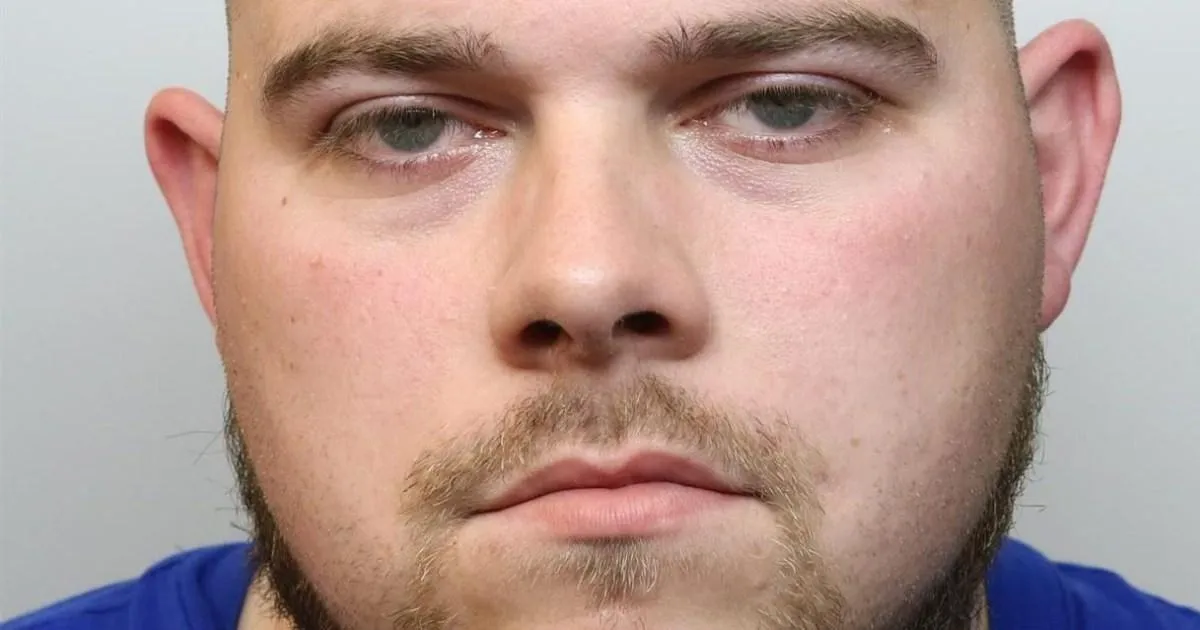
In a case that has sent shockwaves through the quiet Bristol community of St George, a 33-year-old man has been sentenced to prison for a horrifying decade-long campaign of sexual abuse against young girls. Patrick Luckett’s reign of terror, which spanned from 2011 to 2021, came to an end this week in a Bristol Crown Court sentencing that revealed the depths of his manipulation and the enduring trauma inflicted upon his victims. The most disturbing aspect of this case is not just the crimes themselves, but the calculated cruelty Luckett employed to silence his victims, going so far as to accuse one child of fabricating the entire ordeal for attention. For over ten years, he preyed upon the innocence of children, violating their trust in the most profound way possible, all while maintaining a facade of normalcy in his everyday life. The sentencing marks a definitive end to his freedom, but for his victims, the emotional scars will take a lifetime to heal.
The court heard harrowing details of how Luckett systematically abused his victims, with the charges including three counts of sexual assault of a child under 13, three counts of causing a child under 13 to engage in sexual activity, and one count of rape of a child under 13. The abuse was not a singular lapse in judgment but a sustained, predatory pattern of behaviour that continued for a decade. The victims, who were very young when the abuse began, were thrust into a world of confusion, fear, and shame. The bravery it took for them to eventually come forward and tell their mothers cannot be overstated. Their disclosures triggered a police investigation that peeled back the layers of Luckett’s double life, revealing a man who used manipulation and threats to maintain his sinister secret. As the investigating officer, DC Alison Pilsworth, would later state, Luckett “abused their trust and violated the innocence of very young girls so that he could fulfil his sordid sexual desires,” a sentiment that underscores the predatory nature of his actions.
The impact of Luckett’s abuse is a chasm of pain that words can scarcely capture. In a powerful victim personal statement read to the court, one of his victims articulated the profound psychological damage he inflicted. “I still find it uncomfortable to talk about what [Luckett] did to me and speaking about it in court even at the age I am now, made me extremely anxious,” she stated, highlighting how the trauma has persisted well into her adolescence. The most cutting part of her statement, however, was the accusation she faced. “I feel upset that I was accused of making up a story just for attention,” she revealed. This is a common and devastating tactic used by abusers—gaslighting their victims to discredit them and maintain control. Luckett didn’t just abuse her body; he attacked her credibility and sense of self. She went on to explain how he had threatened her, telling her that “my mum would get into trouble if I told anyone,” a threat that “has stayed with me all these years.” This psychological shackle kept her silent and terrified, demonstrating a chilling level of premeditation and malice.
The second victim’s statement painted an equally bleak picture of a life lived in perpetual fear. She described living with a “constant fear of being assaulted again,” a hyper-vigilance that has poisoned her daily existence. Her anxiety manifests in intrusive thoughts and a pervasive sense of dread. “I make notes about fearing it happening again or people that are close to me raping me,” she confessed, revealing a mind consumed by the trauma of her past. The simplest acts, like walking down a street with a stranger behind her, become terrifying ordeals. “If I’m about and there is a stranger walking behind me, I get scared and think the worst, that they are going to hurt me. I am always thinking and assuming the worst,” she explained. More tragically, she has internalized the abuse, leading to crippling guilt and shame. “Ever since the incident I have felt guilty. I feel guilty about everything and blame myself for trusting him and that I should have known better. I’m ashamed that I trusted him and believed him so easily,” she said, her words echoing with the heartbreaking self-blame that is so characteristic of abuse survivors. The shame is not hers to carry, but it is a heavy burden Luckett placed upon her.
Detective Constable Alison Pilsworth, the investigating officer who led the case, offered a professional perspective on the significance of the sentencing. Her words served as a powerful counterpoint to Luckett’s attempts to discredit his victims. “As the officer supporting the child victims in this case, I have seen the impact that this offending has had on them,” she said, her statement highlighting the real-world consequences of his actions. She didn’t just see case files; she witnessed their struggle, their pain, and their courage. “I applaud them for the strength they have shown in their continued support of the investigation and the ultimate sentencing of such a dangerous individual,” she added, giving credit where it is undeniably due. Without their testimony, Luckett might have walked free to continue his abuse. Her final statement was direct and unambiguous: “It is thanks to the extraordinary courage of his victims that he is now beginning a prison sentence for the crimes he committed against them.” This simple sentence reframes the entire narrative: this is not a story of Luckett’s downfall, but a story of his victims’ victory over unspeakable adversity.
The sentencing of Patrick Luckett represents a form of justice, but it is a justice that cannot undo the past. While the prison sentence removes a dangerous predator from the streets, the victims will carry the weight of his crimes for the rest of their lives. The long-term psychological effects—the anxiety, the hypervigilance, the guilt, and the shame—are a life sentence of their own. However, their voices were heard, and their accounts were believed. The fact that Luckett was found guilty on all counts is a powerful validation of their truth, especially after he cruelly accused one of them of lying. His conviction is a testament to the resilience of the human spirit and a stark warning to other abusers that the law is on the side of the innocent. As the community of St George processes this case, the focus must remain on supporting the survivors and ensuring they receive the help they need to heal. This case is a somber reminder of the monsters that can lurk in plain sight, and an inspiring testament to the strength it takes to expose them.