


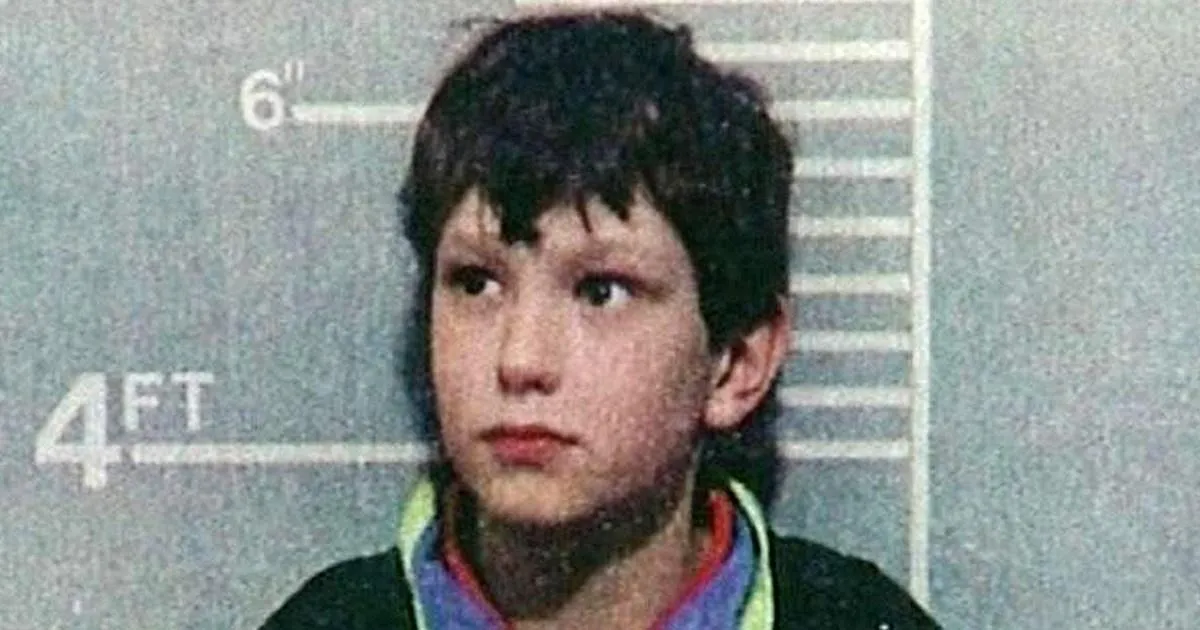
For more than three decades, the name James Bulger has carried a weight of collective sorrow that few crimes can explain. The latest chapter in this case is not a new investigation or a fresh confession, but a parole hearing—a private one. Jon Venables, now 44, had his latest bid for freedom decided behind closed doors despite the emotional plea of James’s mother, Denise Fergus, who asked for the hearing to be made public. She argued that transparency would help counter the wave of misinformation that has surrounded the case and has had a deeply retraumatising impact on her. Venables, after all, is not an anonymous figure. He is one of the two boys who tortured and murdered two-year-old James Bulger in 1993, a crime so shocking that it pierced the national conscience and prompted questions that are still asked today. The Parole Board, however, ruled that the hearing should remain private, concluding that a public proceeding would make it very difficult for Venables to give evidence. More importantly, the board noted that a public hearing would place him at serious risk of being killed by members of the public seeking information about his whereabouts. It is a haunting reminder that this case has never truly been about legal technicalities alone—it is about survival, memory, and the impossibility of closure.
The background to this moment is one of unimaginable pain. In February 1993, two-year-old James Bulger was lured away from a shopping centre in Bootle, Merseyside, by Venables and Robert Thompson, both just ten years old at the time. What followed was a brutal abduction and murder that horrified the world. The two boys were later convicted and spent eight years in secure accommodation before being released on licence in 2001. For Denise Fergus, the pain of losing James has never faded. She has spent decades trying to rebuild a life from the wreckage of that day, and part of that fight has involved monitoring every twist in the lives of her son’s killers. The fact that she and other family members have been granted the right to observe parole hearings in private is a small measure of progress. But it does little to ease the anguish. Every time Venables comes before a parole board, Mrs. Fergus is forced to relive the details of her son’s death and to face the possibility that one of the men responsible could one day be free. It is a cycle of grief that has no end, only pauses.
The decision to hold the hearing in private was not made casually. The Parole Board considered applications from Denise Fergus and several media organisations to have the hearing open to the public, arguing that the case was of significant public interest and that transparency would allow the public to see that the system was working honestly. But the board ultimately decided that the danger to Venables was too great. According to those familiar with the decision, making the hearing public would expose him to people who wanted to kill him. It is a strange and uncomfortable truth that even someone who has committed one of the most reviled crimes in modern British history must be protected from vigilante violence. The parole system exists to assess risk, not to punish again, and the law takes that responsibility seriously. Yet the thought of protecting Jon Venables in this way is difficult for many people to accept. It feels like a betrayal of James’s memory, or at least a harsh reminder that the justice system often operates in shades of grey. For Denise Fergus, the demand for a public hearing was never about voyeurism. It was about accountability. She wanted the public to hear the evidence, to see the reasons why parole might or might not be granted, and to put an end to the myths and speculation that have followed the case for years.
Venables’ own history since his original release has only deepened public unease. He was first freed on licence in 2001, with new identities to protect him from harm. But in 2010, he was recalled to prison after unacceptable images of children were found on his computer. He was released again in 2013, only to be sent back to prison in 2017 for the same kind of offence. In September 2020, parole judges considered his case and ultimately rejected his release. In 2023, the board again found that he still posed a danger to children and could go on to offend if released. This pattern has become the defining feature of Venables’ adult life: periods of conditional freedom, followed by further offending, imprisonment, and yet another parole review. It is a cycle that tests the limits of public patience and raises uncomfortable questions about whether he will ever be safe enough to live in society. It also places Denise Fergus in a position no parent should have to endure: waiting, again and again, to hear whether the person who took her son’s life will get another chance. The fact that Venables has repeatedly violated the terms of his release suggests that he has not fully dealt with the dangerous impulses that led to his original crime, and the parole board has been careful not to take any step that would put other children at risk.
At the heart of this latest development is a set of reforms that have quietly changed the way victims and their families interact with the parole system. Since April, victims have been able to attend parole hearings held in private, a change rolled out nationally as part of an effort to make the system more transparent and to give grieving families a voice. Denise Fergus was granted the right to observe the hearing against Venables, which means she was allowed to watch the proceedings from a distance, even if she could not take part. It is a small recognition of her pain, and one that she has fought hard for. For years, victims and their families were often treated as little more than witnesses to the legal process, locked out of the very decisions that affected them most deeply. That has begun to change. The ability to sit in the same room, hear the evidence, and see the faces of those deciding a loved one’s fate gives some sense of participation. But it cannot and does not bring closure. There is no such thing as closure for a parent who has lost a child to murder. There is only the slow, painful work of enduring and the fragile hope that other families will be spared the same sorrow.
Ultimately, the private nature of Jon Venables’ latest parole bid is a reflection of the impossible tensions built into this case. On one side stands Denise Fergus, a mother whose life was shattered by violence and who wants to protect the memory of her child from misinformation and secrecy. On the other side is the brutal reality that Venables cannot testify freely in public without facing a genuine and credible threat to his life. Neither of these truths cancels out the other. The system is left to navigate the space between them, weighing the rights of a grieving family against the safety of an inmate, and the public’s right to know against the practical need for honesty and security. It is not a perfect system, and it is not a comforting one. But it is the only one we have. As the years pass, the image of two-year-old James Bulger being led away from that shopping centre remains etched in the national memory. His short life ended in terror and injustice, but his mother has made certain that his story will never be forgotten. And while Jon Venables remains behind bars, the conversation about what justice truly means continues—quietly, painfully, and always with the hope that the most vulnerable will be protected.