

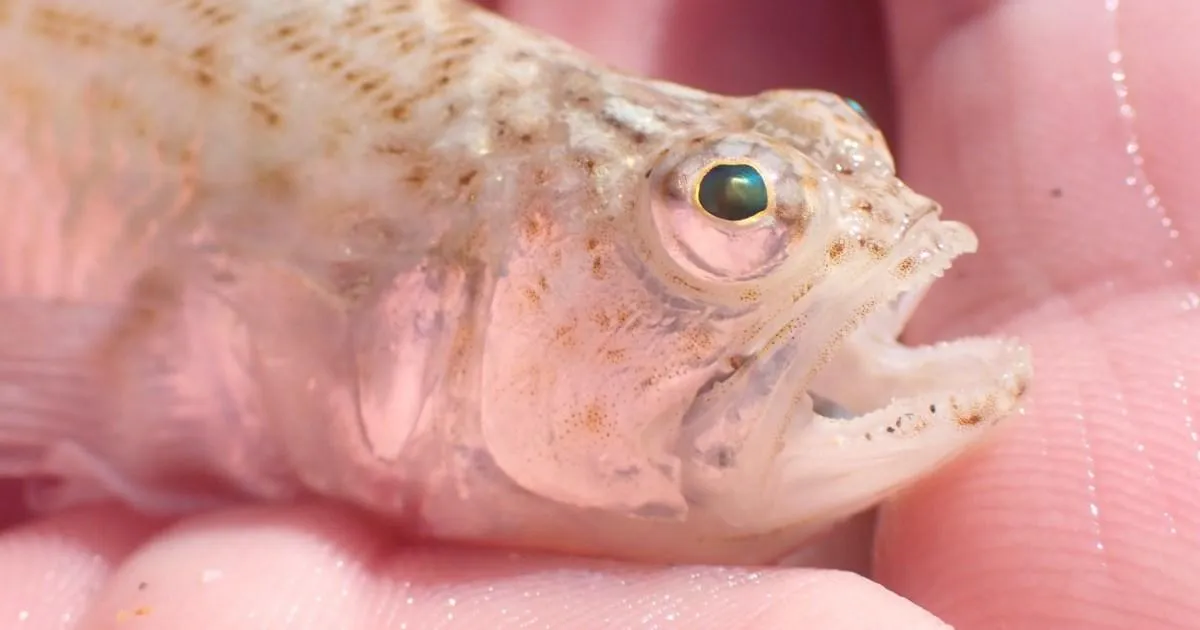
As the summer heat intensifies and beachgoers flock to the coast to escape the sweltering temperatures, a hidden danger is lurking in the shallows of the UK’s sandy shores. Experts are issuing urgent warnings about the Lesser Weever fish, a small, unassuming creature that packs an excruciatingly painful punch. These fish have developed a clever, albeit unpleasant, survival strategy: they bury themselves in the sand with only their venomous dorsal fins exposed, lying in wait for unsuspecting prey. Unfortunately, this camouflage puts them in direct conflict with human beachgoers, who often find themselves on the receiving end of a very sharp, venomous surprise during a simple paddle.
Marine conservationists, including Matt Slater of the Cornwall Wildlife Trust, have observed a noticeable spike in the weever fish population this year, largely attributed to warmer sea temperatures. While these fish are traditionally found in the warmer waters of the South West, they are increasingly appearing on coastlines across the country, from the east to the west. In popular spots like Newquay, researchers have reported finding hundreds of these little creatures in the shallows within just a few minutes of exploration. Their name, echiichthys vipera, is derived from the viper snake, a comparison that highlights just how potent their venomous sting can be for an unsuspecting human foot.
It is worth noting that the weever fish is not aggressive; it has no desire to attack humans. The stings occur purely by accident when a person treads on the fish’s dorsal fin, which is equipped with four hollow spines designed to deliver venom as a defensive mechanism. Even though they look relatively harmless, their sting is notorious for being incredibly painful, often described as feeling like the work of a “big, scary monster.” Because these fish gravitate toward the shallows, you don’t even need to be a deep-sea swimmer to fall victim; a casual walk at low tide is often enough to find yourself in the wrong place at the wrong time.
So, how can you enjoy the seaside without risking a painful encounter? While many people believe that shuffling your feet across the sand as you walk will scare the fish away, experts suggest that this technique is far from foolproof. The most reliable way to protect yourself is to wear a pair of old shoes or neoprene wetsuit boots while wading in shallow areas. If you are comfortable swimming, staying afloat or moving into deeper water is a safer bet than walking along the shoreline at low tide. These fish are most active during the peak summer months of June through September, and even the smallest juvenile fish are capable of delivering a sting that will ruin a perfectly good day at the beach.
If you are unlucky enough to be stung, there is no need for panic, though the pain can be intense. The venom produced by the weever fish is protein-based, which makes it particularly susceptible to heat. The recommended first-aid treatment is to submerge the affected foot in water that is as hot as you can comfortably stand. This heat helps to break down the proteins in the toxin, often alleviating the agonizing pain within about fifteen minutes. While lifeguards are always on standby to watch for rare cases of severe allergic reactions or anaphylaxis, the vast majority of victims recover quickly and completely once the venom is neutralized.
Ultimately, it is important to remember that the weever fish is just doing what nature intended. They play a vital role in the marine ecosystem, using their buried position to ambush small shrimp and other morsels that drift by in the current. They aren’t trying to cause trouble for tourists; they are simply a part of the vibrant, wild beauty of the British coastline. By taking simple precautions like wearing footwear and staying aware of where you step, you can coexist with these fascinating creatures and ensure that your next trip to the beach remains focused on relaxation rather than recovery.