


The Debate Over Britain’s Largest New Mortuary: A Community Divided
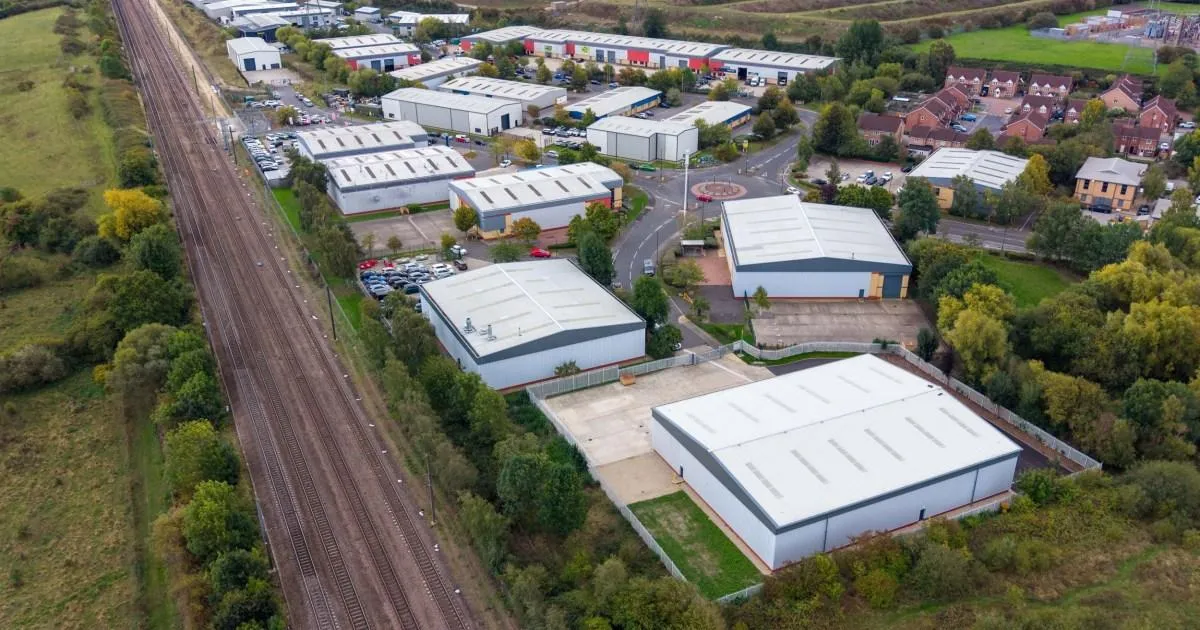
In a decision that has sparked significant controversy and emotional debate, a leading funeral company has received approval to transform a former telephone exchange in North Yorkshire into one of Britain’s largest mortuary facilities. The ambitious project, spearheaded by Pure Cremations, will have the capacity to hold up to 700 bodies at once in an industrial racking system stacked five coffins high. This development, approved by York Council last week, marks a significant shift in how funeral services are being delivered in modern Britain, but it has also raised profound questions about dignity, compassion, and the increasingly commercialized nature of death care. The facility, located at York Business Park in Nether Poppleton, will become one of the largest permanent mortuary structures in the United Kingdom, second only to the temporary emergency facilities erected during the COVID-19 pandemic, which were designed to hold an unprecedented 1,300 bodies simultaneously. The sheer scale of this operation has understandably captured public attention and ignited fierce opposition from local residents who view it as a stark departure from traditional, personalized funeral care.
The core of the controversy lies in the nature of the services that Pure Cremations provides, which represent a fundamental shift in how we approach end-of-life arrangements. The company specializes in what they describe as “no frills” direct cremations, a service model that eliminates the traditional funeral ceremony entirely. For a fixed price of £1,595, families can arrange for their loved ones to be cremated without any formal service, without mourners present, and without the elaborate rituals that have long characterized British funeral traditions. This cost-effective approach has found a growing market in an era of rising living costs, but it has also raised uncomfortable questions about whether efficiency and affordability can coexist with dignity and personalized care. The new facility would serve as a central repository where bodies would be transported from homes, care facilities, and hospices before being forwarded to crematoriums across the country. The operational plan envisions bodies arriving in private ambulances, being checked upon arrival, and then placed into coffins before being stored in the massive racking system for up to four days, creating what critics describe as a disturbing “human conveyor belt” approach to death care.
Among the most vocal opponents of the development is Martin Rowley, a 64-year-old local funeral director with decades of experience in the industry who runs Rowley & Sons Family Funeral Services in York. Rowley, who also serves as a Conservative councillor for the Osbaldwick and Derwent Ward, has voiced deep concerns about the facility’s implications for quality of care and personal attention. His criticism strikes at the heart of the debate, questioning whether the approximately 25 staff members expected to work at the facility can possibly provide adequate care and attention to such a massive number of deceased individuals. In his words, the facility “endorses the impersonal, transactional, profit-driven nature of the Pure Cremations operation,” suggesting that while he doesn’t question the basic quality of their service, the industrial scale of operations fundamentally undermines the personal, compassionate approach that families deserve when saying goodbye to their loved ones. Rowley’s concerns reflect a broader anxiety within the traditional funeral industry about the corporatization and consolidation of death care services at the expense of human connection and personalized support during vulnerable moments.
The community opposition extends far beyond professional funeral directors, with dozens of local residents expressing their objections through various channels, including vivid and emotional social media posts that reveal deep-seated anxieties about the project. One particularly striking account came from a resident whose son visited the company’s existing facility in Knutsford on a school science trip, describing the experience as shocking and unsettling. Others have articulated a fundamental concern about dignity, with one objector declaring that “there is no dignity in this” and emphasizing their belief that true dignity comes from having a caring undertaker who can attend to all aspects of giving a loved one the send-off they deserve. These objections reveal a profound cultural discomfort with the industrialization of death, raising questions about whether the efficiency and cost-effectiveness of modern approaches come at the expense of the human touch that has traditionally characterized funeral care. The emotional weight of these responses suggests that for many people, the way we handle our dead reflects deeper values about how we treat each other in life, and the prospect of bodies being stored on industrial racks in a converted telephone exchange feels, to many, like a rejection of those values.
The political dimensions of this controversy have added another layer of complexity to the debate, with local politicians raising procedural and practical concerns about the approval process. Liberal Democrat councillor Anne Hook, who had previously objected to the development, raised concerns about the potential impact on surrounding businesses and hotels in the industrial estate, suggesting that the presence of such a large-scale mortuary operation could have negative economic implications for the area. Other objectors have argued that the facility provides “zero economic integration” for local independent funeral directors, stonemasons, churches, caterers, or florists, highlighting concerns about the broader economic ecosystem that traditionally surrounds death care and how this centralized, industrial approach might disrupt established local businesses and relationships. Martin Rowley has also criticized the council’s decision-making process, arguing that if the council truly cared about people and transparency, they would have brought the planning application before the full Planning Committee for more thorough scrutiny and public deliberation. This procedural criticism suggests that concerns extend beyond the specific nature of the facility to encompass broader questions about democratic oversight and community engagement in important local development decisions.
In response to the criticism, the company and its representatives have mounted a comprehensive defense of the project, emphasizing the dignified nature of their operations and the lack of evidence of problems at their existing facilities. O’Neill Associates, the planning consultancy acting on behalf of Pure Cremations, has strongly refuted the claims made by objectors, providing detailed responses to the various concerns raised. They emphasize that the facility would be closed to the public and monitored by CCTV, with all activities, including the transfer of the deceased, occurring within the building itself, meaning that the operation would be virtually invisible to the surrounding community. The only external noise would come from the six cooling units needed to maintain appropriate temperatures for body storage, along with the installation of a new roller shutter door and an extension of the existing car parking area. Crucially, they point to the company’s existing operation on a business park in Knutsford, Cheshire, as evidence of their ability to operate such facilities without causing problems or generating complaints, arguing that this track record demonstrates their capability to manage the York facility in a similarly responsible manner.
The broader implications of this development extend far beyond the immediate controversy in York, touching on fundamental questions about the future of death care in modern society, the balance between efficiency and compassion, and the changing nature of our relationship with mortality. As funeral costs have risen dramatically in recent decades and traditional practices have evolved, companies like Pure Cremations have found a growing market for direct, no-frills services that prioritize affordability and simplicity over elaborate ceremonies and personal attention. This trend reflects broader social changes, including increasing secularization, geographic mobility that separates families from communities of origin, and changing attitudes toward death and mourning. However, the passionate opposition to this facility suggests that many people still value traditional approaches and worry that the industrialization of death care represents a loss of humanity in our final farewell. The debate also raises important questions about what communities can reasonably expect in terms of democratic oversight of such facilities, the economic impacts of centralized death care operations, and how we can balance the legitimate needs of businesses with the emotional and cultural concerns of local residents. As this story continues to develop, it serves as a powerful reminder that decisions about how we handle death and dying are never purely practical or economic, but are always deeply intertwined with our values, our beliefs, and our vision of what it means to treat people with dignity and respect, both in life and in death.