

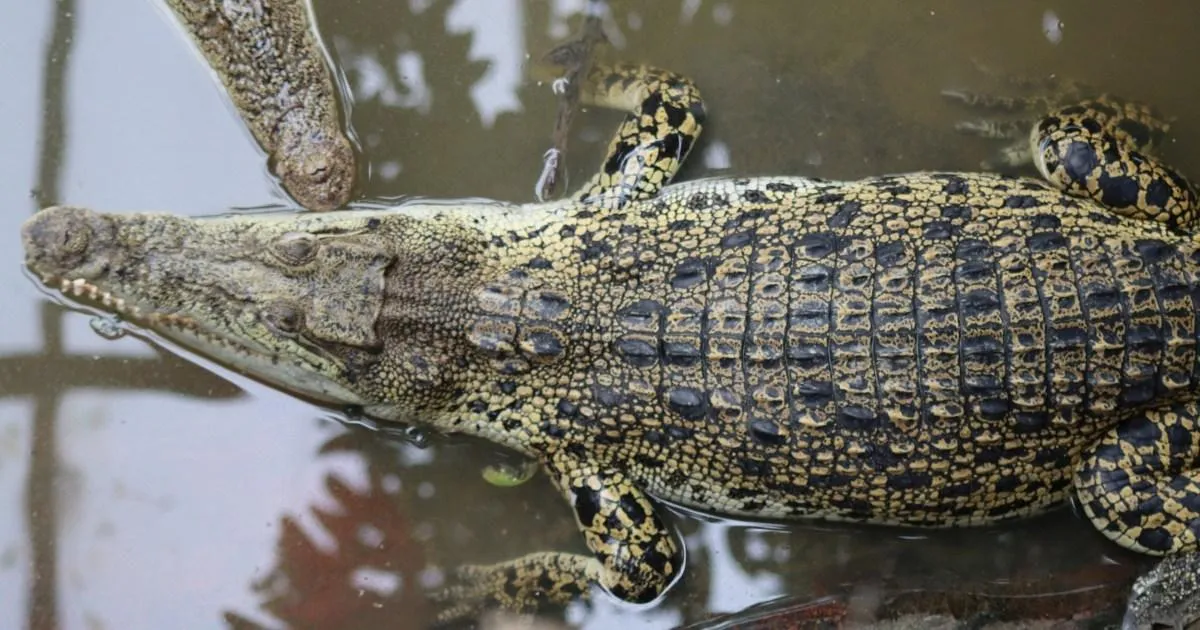
The recent tragedy at a zoo, where a three-year-old boy was thrown into a crocodile enclosure on June 18, has left a community reeling and a family navigating an unimaginably difficult path toward recovery. The immediate aftermath of the incident was chaotic and terrifying; a 30-year-old man from Norfolk, who was visiting the zoo under the supervision of carers, was subsequently arrested on suspicion of attempted murder. As an investigation unfolds regarding the circumstances of his care and the security measures at the facility, the public’s attention has shifted from the horror of the event to the profound resilience of the young victim, who has spent the last month fighting for his life in a Cambridge hospital.
For the boy’s parents, the past few weeks have been a blur of sterile hospital rooms and agonizing waiting periods. In a poignant update shared via a fundraising page, the family described the harrowing reality of the child’s initial treatment. Upon his arrival at the hospital, medical staff were forced to contend with a laundry list of catastrophic injuries, ranging from severe tissue damage across his face and neck to broken bones and vascular trauma in both arms. The parents recall the darkest moments, where they were forced to sign consent forms for amputation and resuscitation, never knowing if their son would survive the initial twelve-hour emergency surgery tasked with piecing him back together.
Despite the trauma, there is a glimmer of hope emerging from the ICU. The boy has undergone seven major surgeries to date, the most recent being a complex nerve graft. Surgeons carefully harvested a nerve from his leg to replace damaged tissue in his arm, a procedure that offers a chance for the child to regain functional movement in his hand. While doctors caution that the full extent of the nerve graft’s success will remain unknown for several months, the boy’s ability to “talk to the nurses, play using his feet, and smile again” has been described by his family as nothing short of a miracle given the severity of the initial prognosis.
The human element of this story is underscored by the boy’s spirited personality, which shines through even in the face of such adversity. His family describes him as a “cheeky little boy,” a quality that has seemingly fueled his remarkable progress over these four weeks. It is this tenacity that has captured the hearts of thousands of strangers, who have rallied to support the family through an online campaign. With over £68,000 already raised to assist with his long-term needs, the community has provided a vital lifeline, easing the financial burden on parents who have kept a constant vigil at their son’s bedside since the attack took place.
Looking ahead, the family is painfully aware that the road to recovery will be a marathon, not a sprint. Once the boy is stable enough to leave the hospital, he faces a daunting future of intensive physical and psychological rehabilitation. The trauma of the day will undoubtedly leave lasting impressions, necessitating sustained support to help him navigate the complexities of his recovery. The family’s transparency throughout this ordeal has fostered a deep sense of connection with the public, transforming a private tragedy into a collective moment of empathy, prayer, and support for a child who has shown incredible strength.
Ultimately, this story serves as a sobering reminder of how quickly life can change, while simultaneously highlighting the endurance of the human spirit. The family remains “forever grateful” for the outpouring of compassion they have received, which serves as a small comfort during their most trying hours. As the investigation into the incident continues, the focus remains firmly on the boy’s healing. He is no longer just a victim of a shocking headline; he is a brave little boy finding his voice and his smile again, supported by a family that refuses to lose hope and a public that continues to stand behind them.