



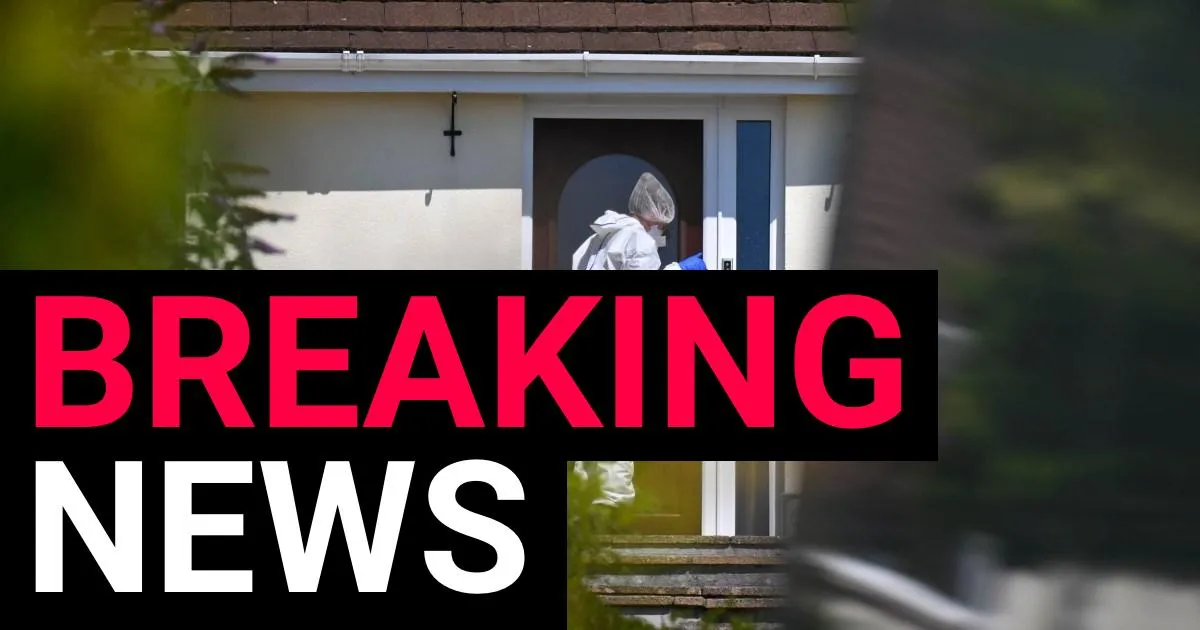
The tragic death of 78-year-old Ann Widdecombe has sent shockwaves across the United Kingdom, turning a localized tragedy into a high-stakes national security investigation. The former Tory minister and Reform UK spokesperson was discovered inside her isolated bungalow in Haytor, Dartmoor, last Thursday. The alarm was initially raised by television producers who grew concerned when she failed to respond to messages or show up for a scheduled appearance, signaling that something was profoundly wrong. When responders arrived at her residence, they discovered the beloved public figure deceased, having suffered severe injuries that immediately triggered a major murder inquiry.
In a dramatic shift, the investigation is now being helmed by counter-terrorism detectives. While the case was initially handled as a conventional criminal matter, the emergence of compelling new evidence has prompted a significant pivot. Police confirmed that a 28-year-old man from Rotherham, South Yorkshire, was arrested on Saturday evening after tactical teams descended on his residence. Following his detention, authorities confirmed the suspect has been re-arrested specifically on suspicion of the commission, preparation, or instigation of acts of terrorism. This redirection suggests that the motive behind the attack likely transcends a random act, leading authorities to re-examine the incident through the lens of extremist targeting.
The operation to apprehend the suspect was intense and highly organized, captured on footage that showed police swarming his street with armed units and heavy equipment. Neighbours described the man as a reclusive figure, noting that his withdrawal from the community had deepened following the loss of his father last year. Adding to the gravity of the accusations, some locals reported seeing the man leaving his premises shortly before the incident while carrying a metal implement hidden beneath his clothing. These accounts, coupled with the suspect’s alleged 280-mile drive to reach the Dartmoor area, have become central pieces of the puzzle that investigators are now frantically piecing together.
The emotional weight of this crime has reached the highest levels of government. Home Secretary Shabana Mahmood has taken a personal interest, consulting directly with the head of the Counter-Terrorism Policing network. She is expected to provide a formal update to Parliament later today, emphasizing the government’s commitment to finding justice for Miss Widdecombe. Expressing her profound grief, the Home Secretary noted that the police are currently pursuing multiple lines of inquiry to determine what drove such a horrific act of violence, urging the public to allow the investigators the space necessary to conduct their work without the interference of rampant, often inaccurate, speculation.
As the quiet Devon countryside remains cordoned off by police tape, floral tributes have begun to accumulate outside the gates of the bungalow where Miss Widdecombe lived. The community and the public at large are grappling with the loss of a woman known for her sharp wit, long-standing political career, and unwavering presence on national media. What was initially treated as a localized, albeit traumatic, incident has now evolved into a broader national conversation about the safety of public figures and the frightening intersection of isolated radicalization and targeted violence. The intensity of the investigation underscores just how seriously authorities are treating the possibility that political animosity fueled this grim event.
Looking ahead, the focus of both the public and law enforcement remains centered on the suspect in custody and the evidence being gathered by the Counter-Terrorism Policing network. As detectives continue to sift through digital trails, vehicle records, and witness testimonies, the nation waits for answers regarding how such a vulnerable home could be breached and why a life so deeply embedded in public service was cut short in such a brutal manner. For now, the investigators are keeping the details of their findings closely guarded, intent on ensuring that their case is built on facts rather than conjecture, as they work to bring a sense of closure to a deeply shaken nation.