



The tragic and brutal murder of 78-year-old Ann Widdecombe in the sanctuary of her own home has sent shockwaves of grief and confusion throughout the country. As the investigation unfolds, the public is grappling with the devastating loss of a woman who was a well-known figure in government and public life. Forensic teams have spent days scouring the property, working under the somber weight of a scene that has stripped away the peace of a residence that should have been a place of safety. For those who knew her—and for the many who followed her long career—this was not just a crime, but a deeply personal tragedy that has left her family reeling in the aftermath of an act of senseless violence.
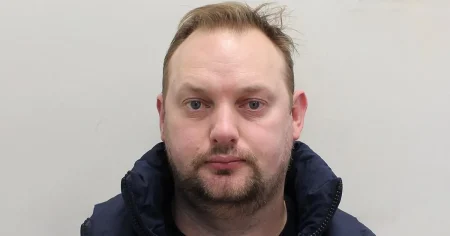
The official response has been marked by a careful, methodical urgency, underscored by the involvement of Counter Terrorism Policing. Assistant Commissioner Laurence Taylor, the head of this specialized unit, recently addressed the media to provide clarity, though he emphasized the limitations of sharing information while a live investigation is underway. As of now, the brutal attack has not been officially declared a terrorist incident, yet the gravity of the situation is reflected in the legal measures taken. Detectives have successfully sought a warrant of further detention, granting them the authority to hold the 28-year-old suspect for up to seven days under the Terrorism Act. This decision highlights the serious nature of the inquiries currently being conducted by authorities.
A central point of concern for the public and the media is the motivation behind such a horrific act. Assistant Commissioner Taylor was unequivocal in his assessment that this was a “targeted attack,” rather than a random crime. This admission has opened a complex and unsettling line of inquiry regarding whether the suspect intended to target other high-profile figures within Reform UK. While the police are currently cautioning against jumping to conclusions, they acknowledge that the investigation must assess whether this was an isolated event or part of a broader, more sinister scheme. The police are systematically working to discern the suspect’s planning, preparation, and ultimate intent to ensure that any potential threats to others are identified and dismantled before they can manifest.
Crucially, the identity of the suspect—a 28-year-old white British man—is the focal point of a massive intelligence-gathering effort. The police remain understandably guarded about the specifics of the case, balancing their duty to keep the public safe with the risk of compromising a sensitive investigation. During recent press briefings, when asked directly if Reform UK politicians were in danger, Taylor emphasized that the police’s primary responsibility is to “assure ourselves and the public” of the extent of any remaining threat. While he stopped short of confirming a wider plot, he confirmed that identifying potential future victims or patterns of targeting is an absolute priority for his team.
Beyond the tactical and administrative aspects of the investigation, the human element of this story remains profoundly painful. Reports have noted that Miss Widdecombe was seemingly going about her day just like anyone else, even participating in a radio interview mere minutes before her life was stolen. This detail adds a layer of surreal, chilling finality to her death, reminding us that life can shift from normalcy to catastrophe in an instant. For the surviving members of her family, the public nature of these investigations provides little solace, as they cope with the raw, personal nightmare of losing a loved one under such shocking and public circumstances.
As the days turn into a week of intense questioning, the nation remains tuned into the updates, waiting for answers that may finally reveal why this happened. The investigation acts as a somber reminder of the vulnerabilities that exist even for those in the public eye. As the police continue to comb through evidence, data, and potential motives, they are tasked with the difficult job of finding the truth while managing the public’s anxiety. For now, the house where she lived remains a crime scene, a haunting marker of a life lost too soon and a reminder that, in the face of such senseless violence, the demand for justice is the only path forward for those left behind.