


The debate surrounding rent controls in the UK has undergone a dramatic transformation in just a few short months. Back in April, the prospect of a rent freeze was firmly dismissed by the government, with Housing Secretary Steve Reed labeling such ideas as misguided and counterproductive. At the time, the consensus in Downing Street was that price caps would inevitably backfire, resulting in the very outcomes they aimed to prevent: reduced supply and higher costs for tenants. However, the political landscape has shifted seismically since then. With a change in leadership pending and Andy Burnham emerging as a likely successor to the premiership, the firm “no” once offered by the government has softened into a conversation about fundamental systemic change and the devolution of power.
Andy Burnham, through his tenure as Mayor of Greater Manchester, has been a vocal proponent of taking radical action to address the housing crisis. Having previously petitioned the government to freeze private rents alongside the mayors of London and Liverpool, Burnham has consistently argued that the current reliance on the benefits system to subsidize high rents is a broken model. His rhetoric now emphasizes “public intervention” as a necessary catalyst for change. By characterizing the current housing market as a drain on both personal finances and local economies, he is signaling that the era of central government reticence may be nearing its end, potentially paving the way for a more localized, interventionist approach to the housing emergency.
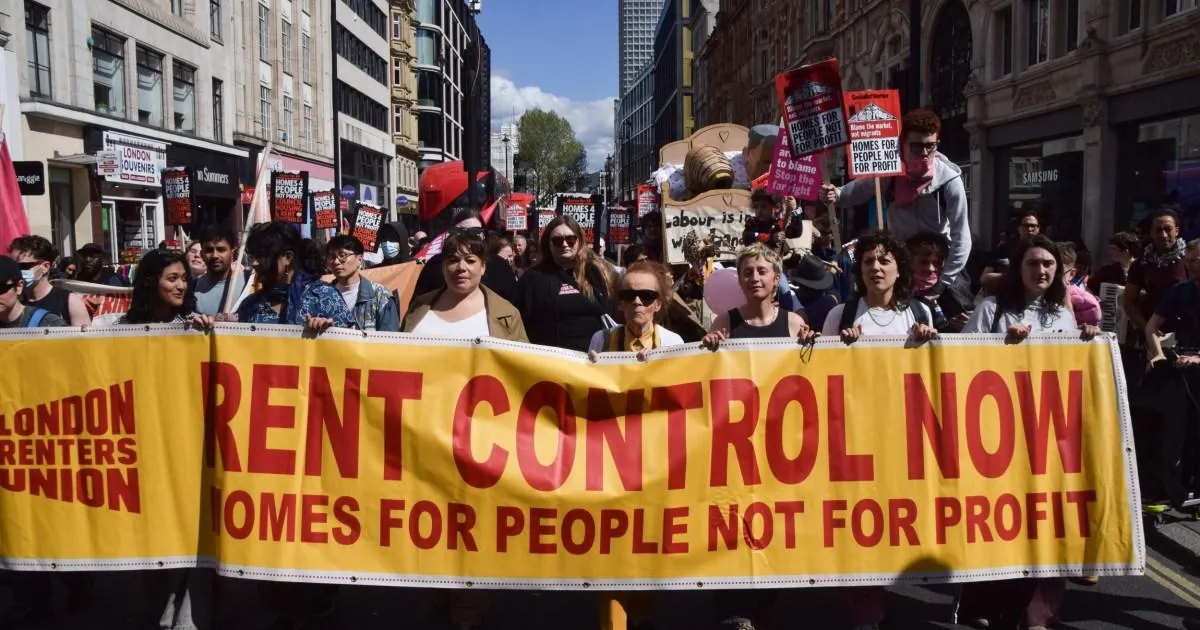
This shift has breathed new life into housing advocacy groups like the Renters’ Reform Coalition. For campaigners, the problem is simple: high rents act like a leaky bucket, draining money from high streets and funneling it into landlord bank accounts rather than local businesses. As they see it, introducing a cap is not just a housing policy; it is an economic necessity to provide stability for families and anchor communities. When supported by influential figures like Sadiq Khan, who is now actively pushing for the devolution of powers to cap rents specifically for key workers in London, the pressure on the national government to facilitate these local experiments becomes increasingly difficult to ignore.
Yet, for every campaigner who views rent control as a shield for the vulnerable, there is a loud, institutional warning from the landlord sector. The National Residential Landlords Association maintains that the consequences of such interventions are historically disastrous. Their argument hinges on the fear that caps will scare away investment, leading to a precipitous drop in the availability of rental properties. They posit that the “most sensible” route is to incentivize landlords to keep properties on the market through pro-growth policies rather than regulatory restrictions. This clash of philosophies—market-driven growth versus social regulation—remains the central fault line in the debate, with both sides citing the lessons of previous international and regional failures to support their disparate agendas.
The government’s previous hesitation regarding rent controls was largely informed by the messy fallout observed in Scotland, where early attempts at regulation led to unintended spikes in rents when properties changed hands. Learning from these pitfalls, some advocates are now suggesting more nuanced strategies, such as capping rent hikes strictly between tenancies to prevent the “exodus” effect. This evolution in thinking appears to align with Burnham’s broader political philosophy: he is less interested in imposing a heavy-handed, one-size-fits-all policy from Westminster and more invested in empowering local regions. By devolving the authority to manage housing markets, he hopes that mayors can tailor solutions to the specific economic realities of their respective cities.
As the political dust settles, it is clear that the UK stands at a turning point regarding how we value and regulate housing. While Burnham’s team remains cautious about outlining specific legislative details at this fragile stage of the transition, the abandonment of the “no-control” doctrine is significant. Whether this results in a nation-wide reform or, more likely, a patchwork of devolved municipal powers, the conversation has moved beyond if we should intervene, to how we should do so without destabilizing the housing market. For millions of renters, these political maneuvers represent more than just policy shifts—they are the potential foundations of a more secure and affordable future.