



The tragic death of PC Andrew Harper in 2019 remains a haunting chapter in British criminal justice, and recent developments have reopened deep wounds for his family. Andrew, just 28 years old and a newlywed of only four weeks, was killed while responding to a report of a quad bike theft. His life was cut short in a horrific manner when his ankles became entangled in a crane strap attached to the getaway car, leaving him to be dragged over a mile along rural lanes. The callous nature of the crime—compounded by the fact that the perpetrators were seen grinning and hugging after being cleared of murder and convicted instead of manslaughter—left an indelible mark on the public consciousness and, most devastatingly, on his grieving family.
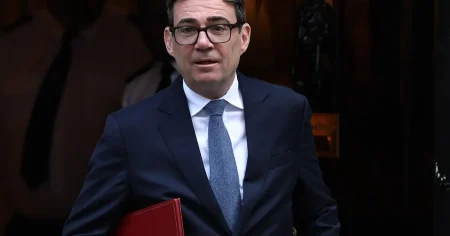
The current controversy stems from a government initiative aimed at alleviating the severe overcrowding crisis within the prison system. Under this scheme, Albert Bowers and Jessie Cole, two of the passengers in the car that night, are set to be released early. While the driver, Henry Long, remains ineligible for this early release, the news that his accomplices will walk free has sparked widespread outrage. Prime Minister Andy Burnham initially paused the policy following the backlash, but after a formal review, officials concluded that there was no legal pathway to keep them detained. Consequently, while the government has managed to keep approximately 1,000 other high-risk offenders—including rapists and child abusers—behind bars, Bowers and Cole are scheduled for release.
For Debbie Harper, Andrew’s mother, this decision feels like a profound betrayal of the justice they fought so hard to achieve. In an emotional interview, she expressed the exhaustion and heartbreak of having to relive the trauma all over again. The sense of being let down by a system that promised them closure is palpable; for the Harper family, the legal process was never just about a verdict, but about a degree of accountability that now feels frayed. They are forced to stand up and fight a battle they believed had long been settled, questioning the integrity of a system that prioritizes logistical necessity over the sanctity of a life lost in the line of duty.
Justice Secretary Alex Norris has personally reached out to both Debbie Harper and Andrew’s widow, Lissie, to offer his apologies. However, these words offer little comfort against the reality of the administrative crisis facing the country. Norris defended the decision on pragmatic grounds, noting that the prison system is on the brink of collapse and could run out of capacity as early as October or November. The government’s position is one of grim necessity: they argue that without these releases, the entire penal system risks failing entirely. It is a cold, bureaucratic reality that leaves little room for the emotional weight of individual cases, even one as harrowing as this.
Prime Minister Andy Burnham has attempted to bridge the gap between policy and public expectation, writing in the Telegraph that he has pushed the boundaries of the scheme as far as he possibly could. He maintains that he has done everything in his power to keep the most dangerous offenders locked up without risking a total system failure. Yet, such explanations rarely resonate with those who have suffered the most. The government finds itself trapped between two untenable positions: keeping the doors to the justice system functioning, or risking a breakdown that could compromise public safety on a much broader scale.
Ultimately, this situation highlights the agonizing friction between the cold mechanics of policy and the human need for justice. PC Andrew Harper was a young man whose service cost him everything, and his family’s pain is a reminder that legal sentences are not just numbers on a page, but the bedrock of a survivor’s peace of mind. As the state grapples with the fallout of its prison capacity crisis, it is the families of victims who inevitably pay the price in emotional toll. The case of Andrew Harper serves as a stark, enduring reminder that while governments must manage systems, they must also grapple with the moral consequences of the choices they make in the name of necessity.