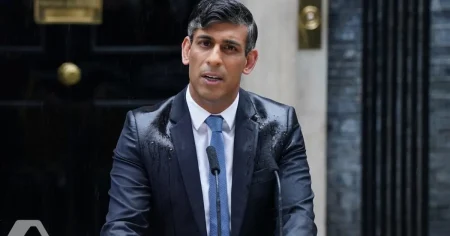



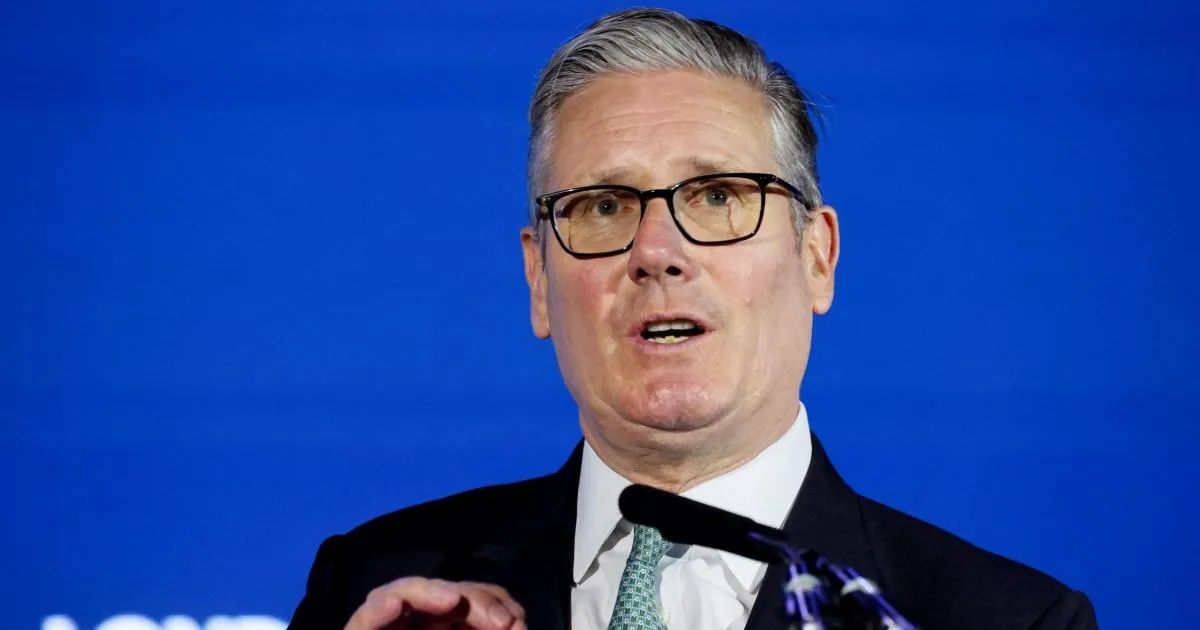
It is difficult to recall a singular moment in the last two years where Sir Keir Starmer’s position looked enviable, but the current atmosphere surrounding his leadership feels particularly grim. While every political leader faces “worst weeks” during their tenure, the current crisis facing the Prime Minister feels distinctively different. In the past, when his government stumbled, Starmer was at least the central figure in the narrative. Now, there is a growing, uncomfortable sense that he has become a secondary character in his own undoing. With rumors swirling about a potential leadership challenge should Andy Burnham secure a victory in the Makerfield by-election, the political class is already whispering about a transition of power. The suggestion is that, for the sake of the country and the stability of the Labour Party, a swift and quiet changing of the guard might be preferable to a protracted, messy collapse.
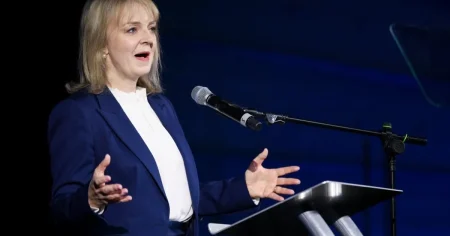
Despite the mounting pressure, Sir Keir remains defiant, insisting to the press that he has no intention of walking away from his post. He views his victory in the 2024 general election as a firm five-year mandate—a social contract that grants him the space to navigate the inevitable turbulence of governance before his record is truly judged in 2029. He poses a reasonable question: why should a leader be expected to solve decades of systemic national decay in just a few months? Unlike his predecessors—Theresa May, who famously failed to deliver on her singular mission; Boris Johnson, who was buried by unrelenting scandal; or Liz Truss, who was ousted after her economic policies destabilized the markets—Starmer argues that he has not committed any singular, catastrophic blunder that warrants an immediate resignation.
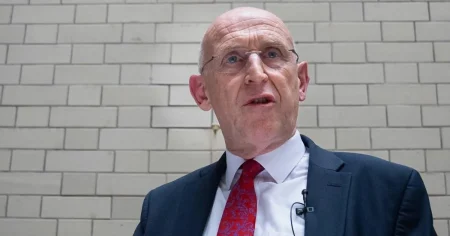
Yet, this defense misses the deeper, more visceral current of public and internal dissatisfaction. The frustration with Starmer is less about a specific policy failure and more about a perceived absence of vision. At a time when the British public is clamoring for bold, structural transformation, Starmer is frequently viewed as a manager who prefers minor, bureaucratic adjustments to the status quo. This sense of drift became unavoidable when Defence Secretary John Healey resigned, delivering a stinging critique of the Prime Minister’s indecision and warning that this lack of clarity was actively compromising national security. That moment served as a turning point, making his continued authority seem increasingly untenable to those observing from the wings.
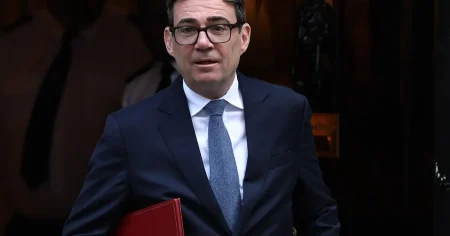
Starmer, acutely aware of the shifting tides, has attempted a desperate final gambit by signaling that should Andy Burnham win in Makerfield, he would be open to offering him a “big role” in the government. This public overture is clearly a strategic olive branch intended to soothe agitated MPs and demonstrate that Starmer is willing to work with even his most formidable rivals to maintain party unity. By suggesting a partnership, the Prime Minister hopes to neutralize the threat of a leadership coup, betting that Burnham might be convinced to wait in the wings rather than topple the cart. It is a classic move to buy time, hoping that public service and party loyalty will supersede the personal ambitions of his potential successor.
However, the political response to this gesture was as swift as it was brutal. Within mere hours of the offer, senior Labour voices were already signaling that Burnham has little interest in playing second fiddle to a leader he wishes to replace. For Burnham, any role within Starmer’s cabinet would likely be viewed as a dead end, or worse, a complication to his clear path toward 10 Downing Street. If the Makerfield results fall in his favor, it is widely believed that he will not settle for a cabinet post. For Starmer, this rejection signals that his attempts at reconciliation have failed, and that the clock on his premiership is ticking faster and louder than ever before.
Ultimately, we are left witnessing the slow-motion erosion of executive authority. Whether or not Starmer is forced out tomorrow or fights on for months remains an open question, but the narrative of his leadership has fundamentally shifted from a story of governance to a story of survival. The vacuum of vision that has haunted his time in office has now been filled by a vacuum of confidence, as friends and allies alike scramble to prepare for a post-Starmer reality. In the brutal, unforgiving theatre of Westminster, it appears that the Prime Minister is no longer fighting for the country’s future as much as he is desperately defending his own final, dwindling chapter in power.