
The tragic death of 18-year-old Henry Nowak last December has transcended a singular act of violence, becoming a flashpoint for intense political debate in the UK. After being stabbed by 23-year-old Vickrum Digwa, Henry’s final moments were captured on police bodycam footage—a harrowing recording that shows authorities handcuffing the dying teenager while dismissing his pleas for help. Tragically, because the attacker had falsely accused Henry of a racially motivated assault, the responding officers prioritized that narrative over the boy’s life, leading one to skeptically remark, “I don’t think you have,” when Henry signaled he had been fatally wounded. This failure in duty has led to a formal apology from Hampshire Police to the victim’s grieving family, who described the treatment as “inhumane and degrading.”
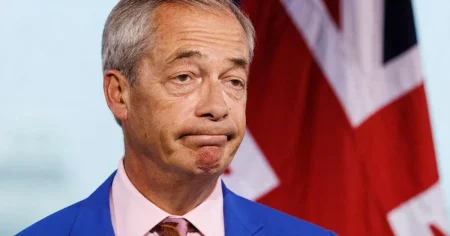
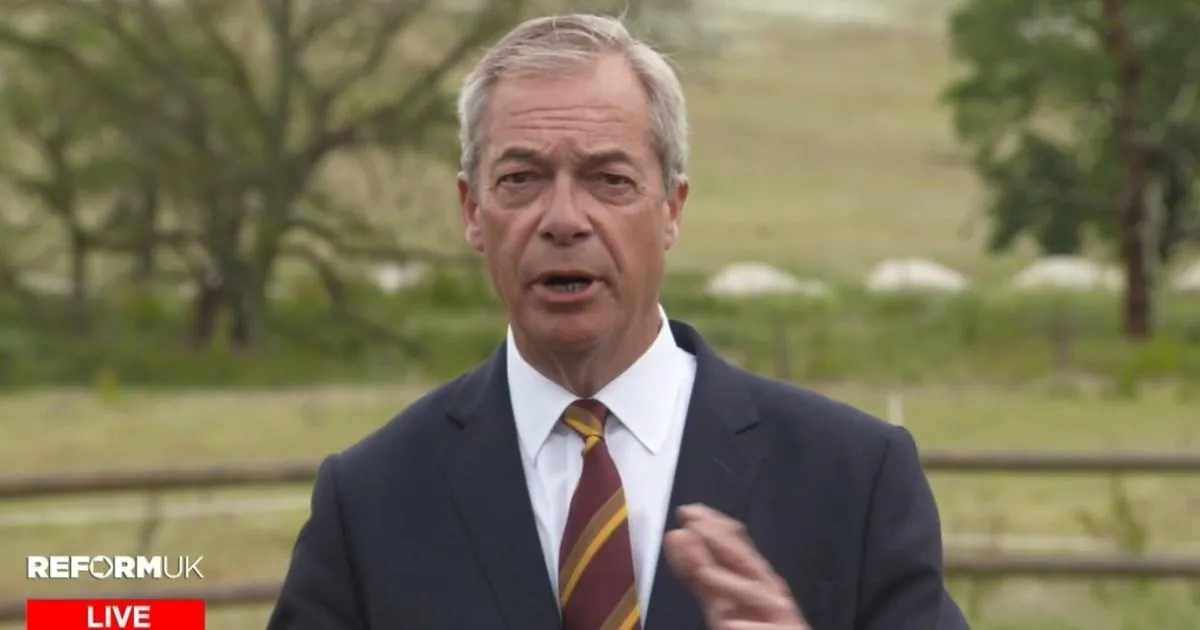
At the heart of the subsequent fallout is a clash between the victim’s family’s desire for peace and political exploitation of the tragedy. Henry’s father recently spoke with quiet dignity outside court, explicitly pleading for the public to avoid turning his son’s murder into a catalyst for hatred or societal division. Yet, despite these explicit wishes, Reform UK leader Nigel Farage chose to publicly frame the event through a lens of identity politics. He claimed the officers’ actions were symptomatic of a systemic bias against white people, calling for a “cold rage” and arguing that the legal system treated accusations of racial slurs with more gravity than the act of murder itself. His rhetoric was quickly echoed by other prominent political figures, signaling a concerted effort to leverage the case to push a specific ideological agenda.
The response from the Prime Minister and other political leaders has been one of sharp condemnation, focusing on the human cost rather than the politicized version of events. Keir Starmer accused Farage of being “completely wrong” for attempting to stir up division, emphasizing that as politicians, they have a moral duty to prioritize the family’s wishes over personal or party gain. Similarly, Conservative leader Kemi Badenoch criticized the shift toward tribalism, arguing that the constant reduction of individuals into opposing racial groups is damaging to the country. By reframing the conversation, these leaders have attempted to pull the focus back to the fundamental injustice of a young life stolen, rather than letting the tragedy descend into the “culture war” rhetoric that so often dominates digital discourse.
Beyond the political sparring, the case has ignited an urgent, practical debate regarding public safety and the law. A significant point of contention is the legal status of carrying bladed weapons for religious reasons. Vickrum Digwa used the religious exemption afforded to his faith to justify carrying a large knife—a weapon that, while sheathed, proved lethal. Hampshire’s Police and Crime Commissioner, Donna Jones, has now formally requested that the Prime Minister conduct an urgent review of these laws. There is a broad acknowledgement that the definition of what constitutes a “ceremonial” blade needs much greater clarity, as the current ambiguity allowed an assailant to arm himself in a way that directly facilitated this murder.
Within the police force and the wider public, the chilling indifference displayed in the bodycam footage has prompted deep introspection. Former officers and lawmakers alike have described the clip as “unfathomable” and deeply upsetting. While Judge William Mousley KC noted in court that the officers were operating under pressure and had been misled by the killer’s lies, the visual reality of the video has left a lasting scar on public trust. It serves as a stark reminder of how quickly bias—whether conscious or subconscious—can cloud judgement in high-stakes environments, potentially leading to catastrophic consequences when the humanity of a victim is ignored in favor of a misguided, reflexive protocol.
Ultimately, the story of Henry Nowak is a heartbreaking reminder of how fragile life is and how easily an individual’s tragedy can be co-opted. As the legal system concludes with the sentencing of his killer to life in prison, the true struggle remains for those left behind. The Nowak family is left to carry an unbearable grief, compounded by the knowledge that their son’s final moments were captured and debated by a nation, rather than being treated with the sanctity they deserved. As the noise of the political grandstanding dies down, the enduring request of his family stands as the only truly important takeaway: that we treat one another with enough empathy to let the dead rest in peace, and that we listen to those who have actually suffered the loss, rather than those who wish to make it their own.