


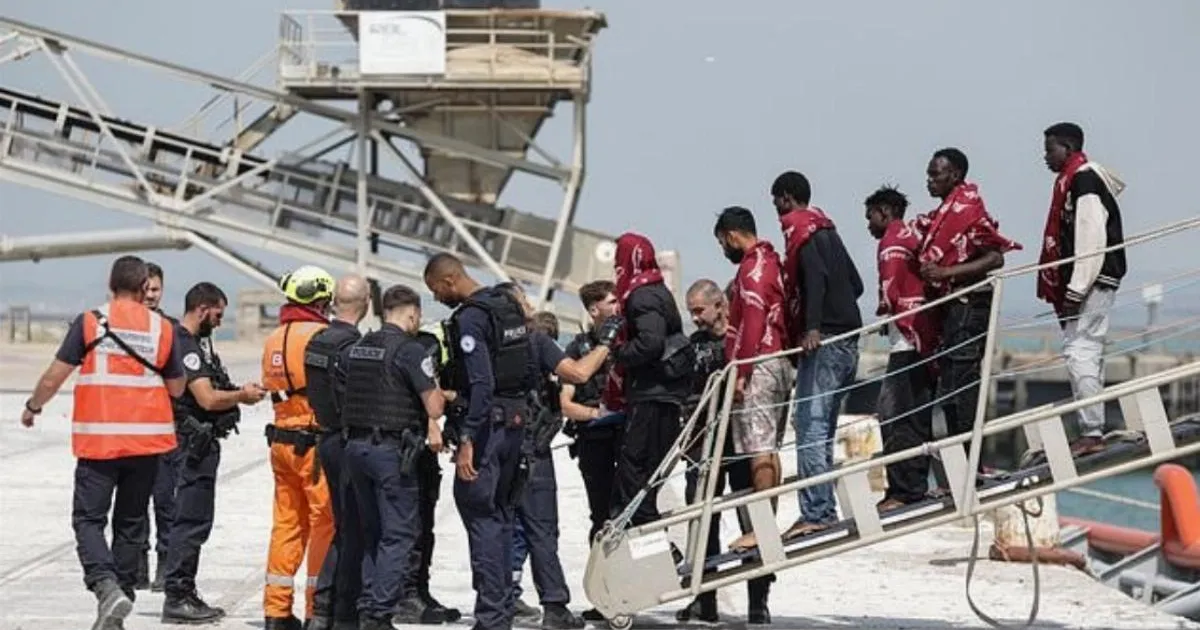
As the summer parliamentary recess settles over Westminster, the familiar, often heated discourse surrounding small boat crossings in the English Channel has returned to the headlines. However, this year’s debate carries a distinct and unexpected nuance: for the first time in a long while, the data reveals a downward trend. Arrivals are down by approximately 45% compared to this time last year. Rather than arguing about how to stem the tide, politicians are now embroiled in a clash over the cause of this decline, moving from a battle of policy to a battle of attribution.
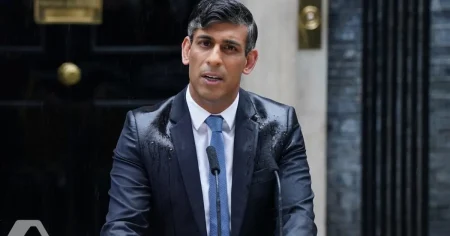
The political spectrum is currently divided on what credit—or blame—is due for the change. Conservative voices, such as shadow home secretary Chris Philp, have been quick to dismiss government influence, instead attributing the drop to environmental factors like increased wave height in the Channel. In contrast, the current administration, represented by figures like Prime Minister Andy Burnham, points to proactive law enforcement, specifically the disruption of smuggling networks and the seizure of equipment, as proof that their strategies are bearing fruit. Meanwhile, others like Nigel Farage remain skeptical of the statistical dip, arguing that the threat remains absolute and that even a small number of arrivals could lead to catastrophic security risks.
To peel back the layers of this political posturing, it is necessary to look at the academic reality. Dr. Mihnea Cuibus, a senior researcher at Oxford University’s Migration Observatory, suggests that the truth is far more complex than simple weather patterns or a single policy victory. Migration is an intricate phenomenon driven by a massive, overlapping set of factors. Every individual who embarks on such a treacherous journey does so for unique, personal reasons, and every boat that sets sail is the result of a shifting landscape of opportunity and desperation that cannot be reduced to a single cause-and-effect equation.
When we consider why these numbers might be shifting, it is essential to look beyond the British coastline. While domestic policies—such as intelligence-sharing with European police to dismantle smuggling rings—undoubtedly disrupt the logistics of these crossings, the “pull” factors are equally influenced by continental trends. Instability in origin countries like Syria can drastically fluctuate the number of people reaching the European mainland, and various agreements struck by the European Union with its neighbors have also tightened controls across the continent. Dr. Cuibus emphasizes that because these factors operate simultaneously, it is academically impossible to isolate one as the singular catalyst for the change.
One of the more tangible clues regarding the state of these crossings lies in the evolution of the boats themselves. In the early stages of this crisis, boats were significantly smaller, typically carrying 20 to 30 people. Today, we are seeing vessels crammed with 80, 90, or even upwards of 150 individuals, as evidenced by recent capsizes. This shift suggests that the smuggling syndicates may be finding it increasingly difficult to source equipment and vessels, potentially indicating that supply-side interventions are creating pressure on the illicit trade, even if the human cost of the resulting, more dangerous, overcrowding remains devastatingly high.
Ultimately, while the debate will continue to rage in the press and the halls of power, the Migration Observatory is clear on one point: the weather is not the primary driver of these trends. While it is easy for politicians to lean on meteorological excuses to explain away complex shifts, the data suggests that the reality is grounded in a combination of intelligence-led disruption, shifting migration routes across Europe, and the resource constraints of criminal gangs. As the nation watches these numbers closely, it is vital to remember that behind the statistics and the political maneuvering are thousands of human lives, each part of a much larger, global story of movement and survival.