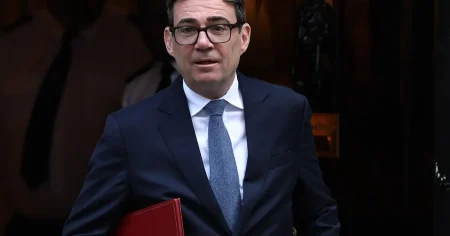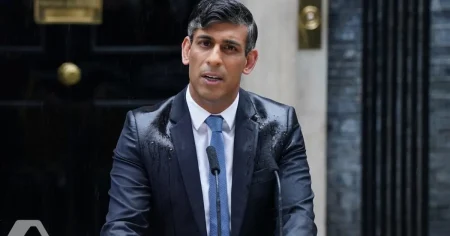


The fast-moving world of British politics has delivered a fresh reality check for Nigel Farage and his Reform UK party, just as they head into a pivotal summer by-election in Clacton. After a brief and exhilarating moment in the spotlight last week, where a singular poll suggested they had surged into the lead over Labour, the tides have shifted back to the status quo. Reform’s leadership had been riding high on the excitement, with home affairs spokesman Zia Yusuf publicly celebrating what he perceived as a defiance of the “Burnham bounce.” His enthusiastic posts on social media encouraged supporters to stay the course, framing the polling data as proof that their grassroots momentum was too strong to be derailed by establishment media scrutiny or the initial honeymoon phase enjoyed by a new Prime Minister.
However, the political landscape is notoriously volatile, and the latest figures from YouGov have brought Reform back down to earth. For months, this specific polling firm had been an outlier, consistently placing Reform in a commanding position, which fueled a narrative of unstoppable growth for Farage’s movement. Now, that streak has come to an end as the numbers realign with the broader consensus seen across other major polling houses. Labour has reclaimed the top spot at 24%, while Reform has slipped to 22%, narrowly edging out the Conservatives, who remain firmly in the mix at 21%. For a party that has built its identity on challenging the status quo, being overtaken by the governing party for the first time in 18 months serves as a stark reminder of how quickly the electorate’s favor can drift.
This polling correction provides a fascinating glimpse into the current state of British voting habits, where the support for smaller parties is proving remarkably fluid. While Reform has retreated slightly, the data highlights that Labour’s resurgence is largely drawing energy away from the Liberal Democrats and the Green Party, who have settled into more modest shares of the vote. It is worth noting, however, that the Green Party continues to exert a powerful pull on younger voters, boasting an impressive 41% backing among those aged 18 to 24. This demographic split suggests that while Reform is fighting for the headlines and the protest vote, there is a deep, competing vein of ideological energy pulsing through the younger electorate that remains largely untapped by both the traditional parties and the populist right.
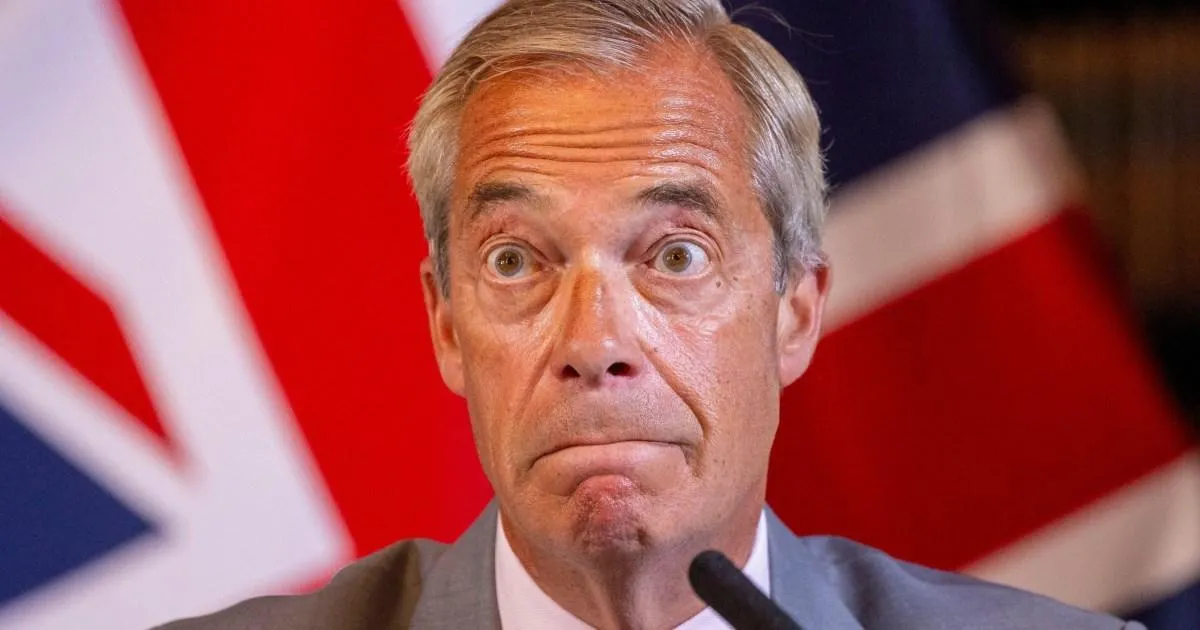
The timing of this shift is particularly inconvenient for Nigel Farage, who is currently in the final, frantic push for his Clacton by-election. While Farage is still heavily favored to secure the seat, the “people versus the establishment” campaign he has cultivated is finding it difficult to cut through the noise generated by Prime Minister Andy Burnham’s aggressive policy blitz. Rather than serving as a grand referendum on his leadership, the campaign in Clacton has morphed into something far more chaotic and, at times, surreal. The constituency has become a magnet for an unprecedented number of candidates—34 in total—ranging from familiar provocateurs like Laurence Fox to the whimsical and ever-present Monster Raving Looney Party.
Adding a layer of unintended farce to the proceedings is the surprisingly potent candidacy of Count Binface. What began as a novelty protest bid has gained genuine traction among voters who are looking for an alternative to the traditional political theater. With rumors suggesting that a significant portion of the electorate might cast a vote for the masked satirist, the Clacton race has become a strange spectacle of vanity projects and pointed ironies. The fact that major political parties have largely shunned the race, dismissing it as a “stunt,” has only served to embolden these fringe candidates, creating a contest that feels less like a solemn democratic exercise and more like a high-stakes performance art piece.
Ultimately, this sequence of events captures the fragile nature of political “momentum.” One week, a movement feels like a tidal wave; the next, it finds itself recalibrating after a dip in the stats and a barrage of eccentric local distractions. For Farage, the primary objective remains the win in Clacton, but the broader takeaway is that the British public remains incredibly restless and difficult to pin down. Whether this latest poll is merely a blip or a sign that the Reform surge is losing its steam, it underscores the unpredictable, often messy, and highly competitive reality of modern campaigning. As the dust settles on the by-election, the parties will have to navigate a disillusioned electorate that is clearly hungry for change, even if they aren’t entirely sure where that change is coming from.