


The political landscape for Reform UK took an unexpected turn today as news broke that deputy leader Richard Tice is currently under investigation by Parliament’s commissioner for standards. The timing of this revelation could hardly have been more disruptive for the party, surfacing just as leader Nigel Farage was stepping back into the spotlight to host his first major press conference in weeks. Farage had intended to use the platform to outline his party’s controversial and high-profile strategy for addressing the ongoing crisis of small boats crossing the English Channel, but instead, the media narrative was instantly hijacked by questions regarding the professional conduct of his second-in-command.
According to the official parliamentary commissioner’s website, the inquiry was formally launched on July 28, though it only reached the public eye today. The investigation centers on a specific charge: “Failure to declare an interest.” While the details might seem like dry procedural jargon to the casual observer, they represent a significant headache for a party that positions itself as a disruptive challenger to the established political order. Transparency and adherence to parliamentary rules are bedrock expectations for any elected official, and any suggestion of oversight in this area provides easy ammunition for political rivals and critics who are already eager to scrutinize the growing party’s leadership.
Digging deeper into the nature of the allegation, reports from Sky News suggest that the investigation is tied to comments Tice made during a Westminster Hall debate regarding Israel. The implication is that he failed to properly disclose a relevant financial or personal interest that should have been public knowledge before he contributed to the discussion. In the rigid world of parliamentary procedure, declaring an interest isn’t just a suggestion—it is a mandatory safeguard designed to ensure that MPs are not using their position to serve hidden agendas or personal gain. For a high-profile politician like Tice, who is often vocal and combative in his advocacy, this oversight is being viewed as a potential breach of the integrity standards that govern the House.
For Reform UK, this investigation arrives at a moment of intense pressure. Nigel Farage has been working hard to capitalize on public frustration regarding immigration and the state of the Channel, hoping to solidify his party’s standing as a serious parliamentary force. However, these constant distractions—ranging from reports of voter sentiment in Clacton to bizarre campaign trail mishaps—have made it difficult for the party to maintain a disciplined, professional image. Having a key lieutenant like Tice embroiled in a standards investigation complicates their messaging, as it forces the party leadership to spend time defending their internal ethics rather than attacking the government’s policies.
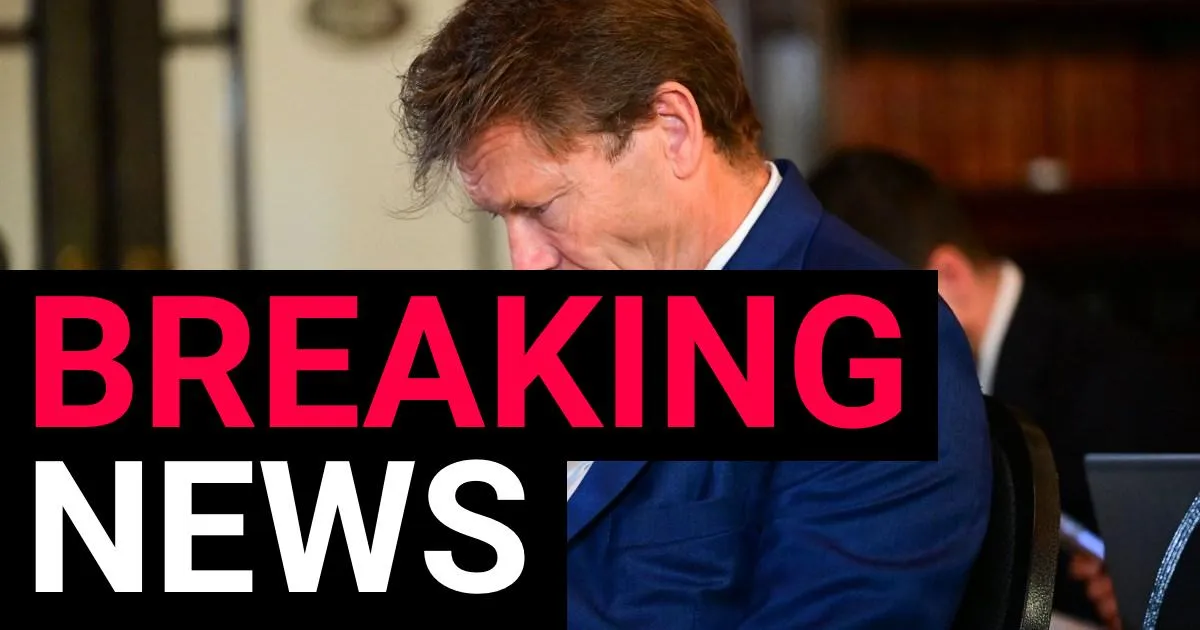
The human element of this story is underscored by the optics of the day: images circulated of Tice looking at his phone during the very press conference meant to showcase party unity and purpose. It is a snapshot of the volatility that has defined Reform UK’s recent activities. While the party supporters often rally behind their leaders, these procedural investigations act as a persistent irritant. They remind the public that regardless of how much rhetoric is used to challenge the “Westminster bubble,” the members of that bubble—including those from Reform—must still adhere to the same transparency rules as everyone else. The commissioner’s inquiry will now proceed, casting a shadow over Tice’s parliamentary work and adding to the list of hurdles the party must clear to be seen as a credible government-in-waiting.
Ultimately, this saga highlights the precarious nature of political life, where a single failure to disclose information can snowball into a national headline. As the investigation unfolds, the burden of proof will rest on the commissioner to determine the severity of the omission, while Tice will have to navigate the inevitable fallout. Whether this is merely a technical oversight or a more serious lapse in judgment remains to be seen. In the meantime, the incident serves as a stark reminder that in the high-stakes arena of British politics, your conduct is just as important as your policy, and a failure to play by the rules will almost always result in an unwanted spotlight.