


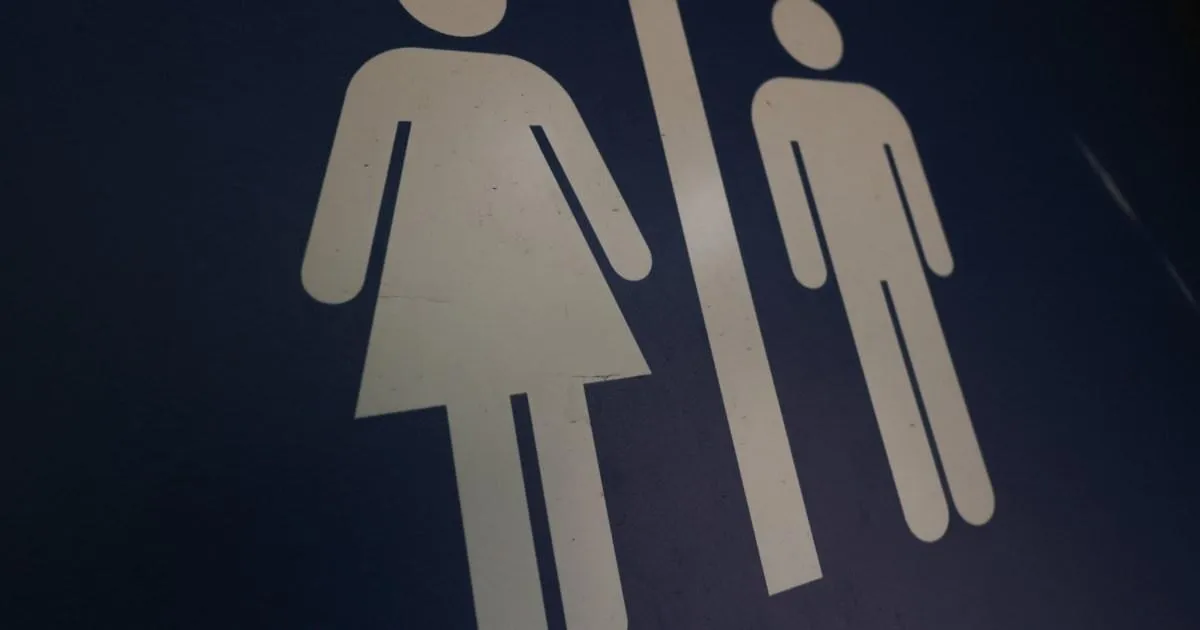
The introduction of new government guidance regarding single-sex spaces has sparked an immediate and intense legal battle. Designed by the Equality and Human Rights Commission (EHRC), this code of practice mandates that facilities such as toilets, changing rooms, hospital wards, and domestic abuse refuges must be operated on the basis of biological sex rather than an individual’s gender identity. The EHRC maintains that this is not an invention of new legislation, but rather a clarifying framework intended to help service providers align their policies with the Equality Act, specifically following a recent Supreme Court ruling that defined ‘man,’ ‘woman,’ and ‘sex’ through the lens of biology at birth.
However, this move has been met with significant resistance, most notably from the Good Law Project. This non-profit organization, which frequently challenges government actions through the courts, has launched a formal legal challenge to halt the implementation of the code. They argue that the guidance is not only discriminatory and transphobic but also fundamentally unlawful. By representing an unnamed trans individual and a trans-inclusive organization, the project is attempting to push back against a policy they believe will lead to the widespread exclusion and marginalization of transgender people from essential public services.
The political backlash against the EHRC’s guidance is substantial and crosses party lines. Within the Labour Party, a notable number of backbench MPs have voiced their sharp disapproval, with some openly supporting the legal intervention. MP Nadia Whittome, who previously spearheaded a parliamentary effort to block the code, has been particularly vocal, describing the guidance as “harmful and unworkable.” She and others argue that forcing these regulations into effect without a full parliamentary vote ignores the concerns of the nearly 170 MPs who signed a motion opposing the move, creating what critics call an environment of confusion, anxiety, and gender policing.
The core of the legal disagreement rests on how service providers are expected to navigate inclusion. The new guidance suggests that if a service is provided for both cisgender and transgender women, it must logically be open to cisgender men as well; otherwise, the provider risks being accused of discriminatory practices. The Good Law Project contends that this reasoning is legally flawed, arguing that trans-inclusive services can often be legally justified and that a blanket exclusion of trans women from women-only spaces violates fundamental human rights. They view the current government’s stance as a significant regression in the protection of trans people.
While the Good Law Project previously saw a similar challenge regarding workplace facilities dismissed by a judge, they remain undeterred, viewing this new legal hurdle as an essential step in protecting human rights. Their lead on trans rights, Jess O’Thomson, has expressed deep disappointment with the current government, noting that the guidance has proceeded despite vocal opposition from dozens of Labour’s own members. For the activists involved, this is a fight against a policy they believe turns back the clock on decades of progress, turning public spaces into sites of legal and social conflict rather than accessible resources.
Conversely, the EHRC’s code of practice has been met with relief and approval from various sex-based rights groups. For these supporters, the guidance provides the clarity and practical instruction that many businesses and organizations have been desperate for when managing single-sex environments. Organizations like Sex Matters argue that the code accurately reflects the law and offers a common-sense approach to everyday situations. As both sides prepare for the potential of a long legal battle, the government and the EHRC remain largely silent on the specifics of the challenge, leaving the future of these public spaces in a state of deep uncertainty.