


The official return of El Niño has been confirmed by U.S. scientists, signaling a shift in our global weather patterns that carries significant implications for every corner of the planet. Defined as the warming of sea surface temperatures in the tropical central and eastern Pacific Ocean, this phenomenon occurs every few years but is now emerging against a backdrop of a rapidly heating world. Once temperatures in this region cross the threshold of 0.5°C above the average, we enter a cycle that dictates rainfall, heat waves, and storms globally. Because these effects tend to amplify as we move toward the end of the year, meteorologists are bracing for a period of climatic instability that could reach its peak by December.
What makes this particular cycle so concerning to the scientific community is the intensity of the trend and the broader context of a changing climate. Researchers are already tracking the potential for a “super” El Niño—an event where ocean temperatures exceed the average by 2°C or more. According to Professor Adam Scaife of the UK Met Office, we are no longer looking at a natural cycle operating in a vacuum. Instead, this current El Niño is riding on the coattails of long-term global warming. Because the Earth is already suffering from record-high temperatures, the “topping up” effect of an intensified El Niño acts like an accelerant on a fire, potentially pushing global heat into uncharted, and potentially dangerous, territory.
For many, this is not merely a scientific observation or an entry in a journal; it is a sobering warning about human survival. Mohamed Adow, director of the campaign group Power Shift Africa, frames the situation starkly, calling the declaration a “deadly siren” for millions of people. For those living in vulnerable regions, particularly in East Africa, another El Niño represents a compounding threat. These are communities that have already been pushed to the edge by consecutive seasons of extreme weather. To them, the forecast of failed rains and dying crops isn’t just a matter of erratic weather; it is an economic and humanitarian crisis that threatens to drive up food prices and deepen cycles of poverty and displacement.
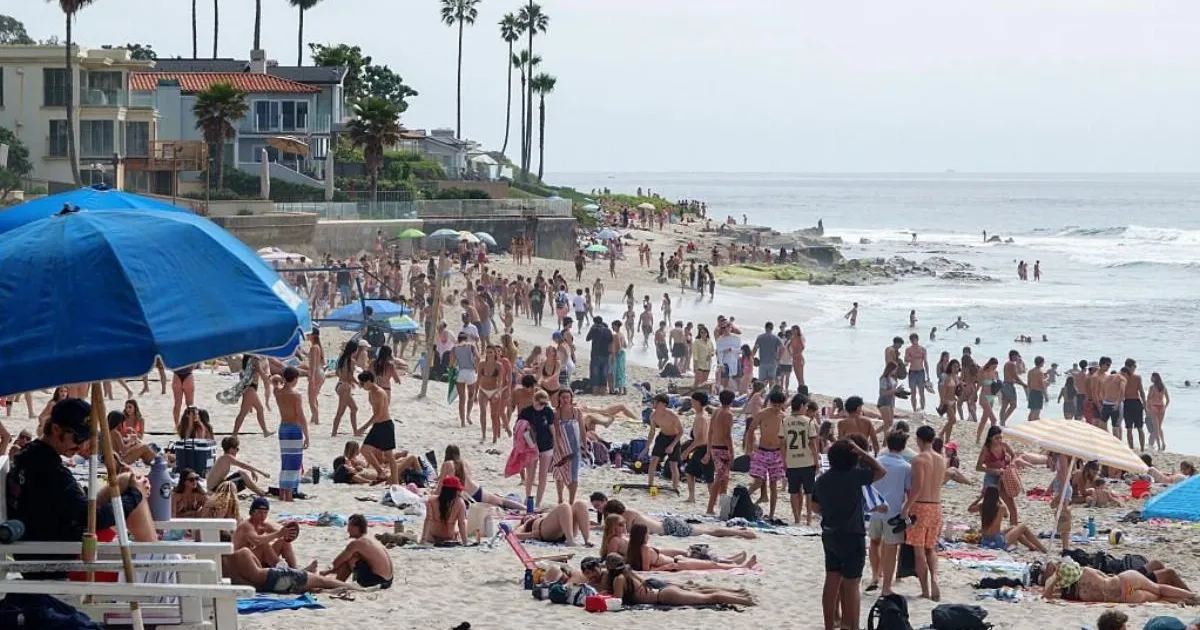
The ripple effects of this phenomenon will be felt far beyond the tropical regions of the Pacific. In the UK, for instance, we are likely to see yet another year of record-breaking heat, as the warming from El Niño weaves into the existing patterns of human-induced climate change. This climatic shift also dictates the movement of storm tracks across the Atlantic, which directly influences the severity and frequency of winter storms. As we look at the patterns of the recent past, the prospect of more volatile, unpredictable weather serves as a reminder of how interconnected our global climate system truly is and how quickly a shift in the Pacific can disrupt the daily lives of people thousands of miles away.
Ultimately, this cycle forces us to confront the reality that our relationship with the environment has changed. As wildfire risks rise and weather patterns become increasingly erratic, the traditional idea of “seasonal weather” is rapidly disappearing. We are moving into an era where natural cycles like El Niño meet the relentless pressure of global warming, creating a “perfect storm” scenario. The humanitarian impact of these weather systems—failed harvests, destroyed infrastructure, and the constant threat of extreme heat—demands that we move beyond simply monitoring the data. It requires a fundamental shift in how we prepare for the inevitable, acknowledging that what happens in the Pacific today dictates the survival of families tomorrow.
As we move through the coming months, the world will be watching the ocean temperatures closely, hoping that the most extreme predictions do not come to pass. However, hope alone is not a strategy. The declaration of El Niño serves as a wake-up call for world leaders, advocacy groups, and the public to rethink our resilience to a destabilizing climate. We are living in a time where the threshold for what we consider “normal” weather is being shattered. By understanding the gravity of these natural phenomena and recognizing the compounding pressure of human activity, we can at least begin to prepare for the challenges ahead, even as the planet itself begins to heat up around us.