


The conflict in Ukraine has entered a transformative new phase, shifting the narrative from a defensive struggle along border lines to an expansive, high-stakes campaign reaching deep into the heart of Russian territory. For years, the Russian public has largely lived with the perception that the war was a distant affair, fought in trenches miles away from their comfortable homes. However, Ukraine has systematically dismantled this illusion, launching precise, long-range strikes against key military and industrial targets deep within Russia. By targeting assets over 500 miles from the border, Kyiv is signaling that the era of Russian sanctuary is over, forcing the Kremlin to confront the uncomfortable reality that its “special operation” has brought the fire of war directly to its own door.
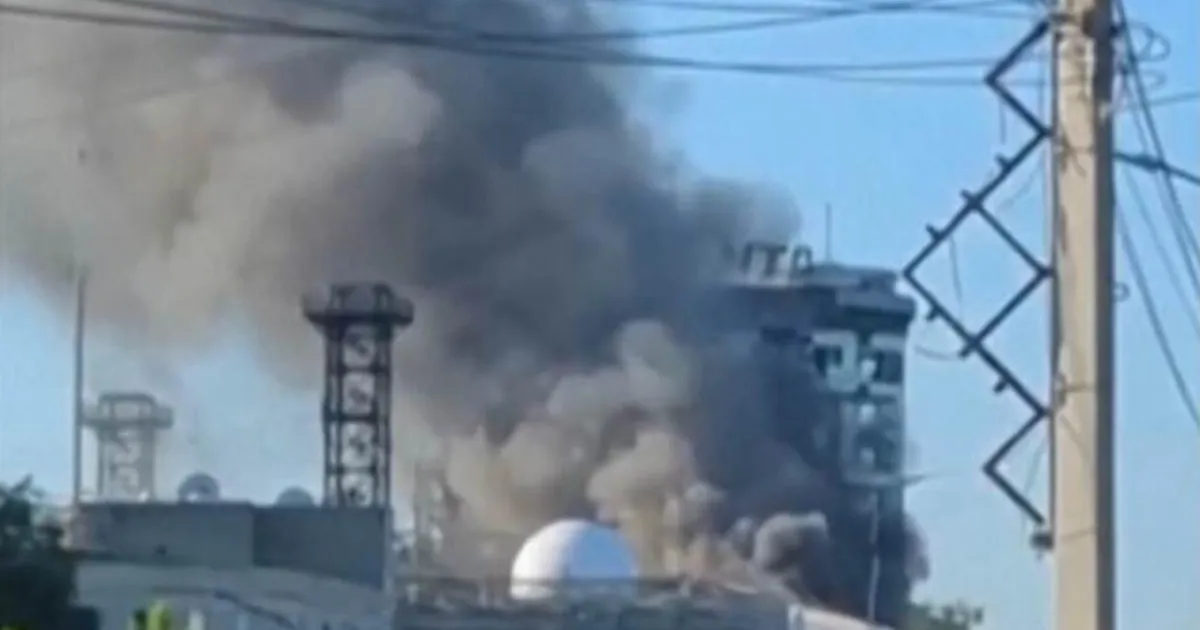
The strategic focus of these recent operations highlights a calculated effort to degrade Russia’s ability to wage war while simultaneously weakening its domestic economic stability. In the Chuvashia region, a military plant in Cheboksary—a facility responsible for manufacturing the very drones and missiles that plague Ukrainian skies—was rocked by FP-5 Flamingo cruise missiles. The images of thick, dark smoke billowing over a Russian industrial hub serve as a potent symbol of this shifting dynamic. By taking out the factories that fuel the Russian war machine, Ukraine is not just hitting targets; it is disrupting the supply chain upon which Vladimir Putin’s military dominance rests.
Beyond the smoke of the factories, Ukraine has expanded its reach to the lifeblood of the Russian economy: its oil and energy infrastructure. Fires erupted at the Novokuibyshevsk refinery in the Samara region, accompanied by the chilling sounds of drones and explosions echoing through the night. Further strikes on major facilities in the Vladimir region, which provide fuel to Moscow and the northwestern territories, threaten to create domestic shortages. For the Kremlin, this is a dangerous turn. Any disruption at the petrol pump is felt acutely by the average Russian citizen, potentially eroding the carefully curated image of stability and strength that Putin has relied upon to maintain his grip on public sentiment.
Geographically, the scope of these strikes is as impressive as it is demoralizing for Russian leadership. By striking across such vast distances, Ukraine is demonstrating that Russian air defense systems, once touted as impenetrable, are faltering against the ingenuity of modern drone warfare. The strategic isolation of the occupied Crimean Peninsula is a prime example; by damaging key bridges and sabotaging railway lines that connect the region to mainland Russia, Ukraine is turning Crimea from a prize of occupation into a logistical liability. The disruption of train lines and the implementation of curfews—measures that historically frighten away the Russian tourists the Kremlin courts—further illustrate how the war is now actively stifling the quality of life within Russian-controlled territories.
President Volodymyr Zelensky has framed these actions as a necessary assertion of sovereignty and a prerequisite for any meaningful conversation about peace. His message is clear: Ukraine will not be a passive victim of aerial bombardment. Noting that his nation has faced nearly 530 drone strikes and various missile barrages in a single week, Zelensky remains defiant, arguing that only by creating a strong, credible defense—and answering fire with fire—can Ukraine force the conditions necessary for diplomacy to eventually succeed. He is demanding that the world recognize the necessity of this escalation, viewing the protection of his country as the only path toward a future where peace is not dictated by aggression.
As these developments continue to unfold, the geopolitical landscape of the war is growing increasingly unstable. The failure of Russian defenses to intercept these incoming threats suggests that the Kremlin’s military planning is struggling to adapt to a war that has successfully evolved into a multi-front, long-range campaign. Whether this will lead to a change in the trajectory of the peace process remains to be seen, but one thing is certain: the myth of a “safe” Russia has been punctured. As long as Ukraine continues to strike at the sources of its subjugation, the cost of this war will continue to climb for the Russian leadership, forcing them to reckon with the consequences of a conflict they started but are no longer able to fully contain.