


There’s a moment that most drivers know all too well: you pull into a petrol station, watch the numbers on the pump spin past with alarming speed, and feel that familiar knot tighten in your stomach. For anyone driving a diesel car, that feeling has never been more justified. New figures released today show that diesel prices have climbed to an all-time high of 199.18p per litre, edging past the previous record of 199.09p set in June 2022. To put that into perspective, the RAC says filling up an average family car with diesel now costs around £110, which is £31 more than it did just a few months ago in February. Premium diesel is even worse, sitting at 217.06p a litre, while motorway service areas are charging a staggering 216.24p and are likely to push prices even higher. Petrol isn’t offering much relief either, with a litre now costing 174.13p, a jump of 41p compared with seven months ago. These are numbers that feel less like a price rise and more like a slow-motion financial punch, and they have left millions of households wondering how much longer this can go on.
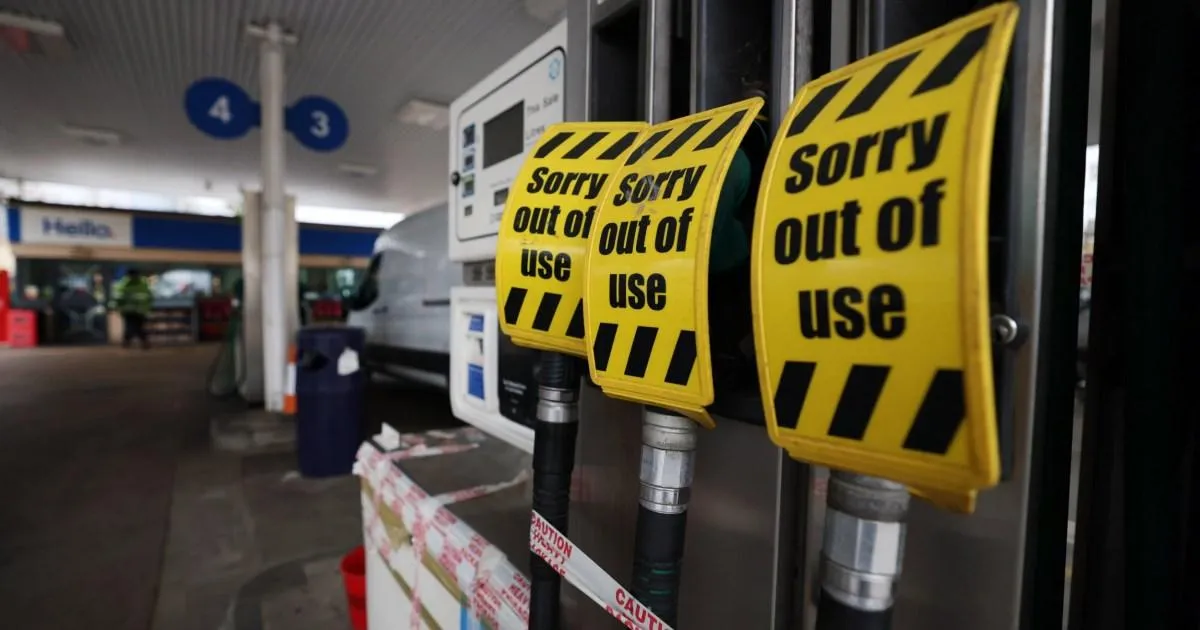
Amid the mounting anxiety, news reports have emerged about emergency fuel shortage plans that could be brought in, and the phrase “diesel rationing” has been enough to send a shiver through the nation. The contingency measures reportedly include limiting how much fuel motorists can buy, reducing speed limits to 50mph, and giving priority access to emergency services and public transport. It sounds dramatic, and in some ways it is. But before anyone starts queuing in a panic, it’s important to understand what’s actually happening. The Department for Energy Security and Net Zero has told Metro that there is no diesel shortage. The price hikes and the contingency plans are two separate issues, and forecourts are being supplied as normal. “We have a diverse and resilient supply,” the department said, adding that it continues to work with international partners and the UK fuel industry. Lawrence Rosenberg, a political commentator, agrees. He says the situation should be taken seriously, but insists we are a long way from needing to panic. “I see no evidence that nationwide fuel rationing or an enforced 50mph limit is imminent in the UK, nor any other restrictions beyond prohibitively high prices at the pumps,” he told Metro. That reassurance matters, especially when memories of past fuel panic-buying are still fresh.
So what exactly are these emergency plans, and why do they keep appearing in headlines? The plan in question is called the National Emergency Plan for Fuel, and despite sounding like something drawn up in a crisis bunker, it isn’t new. The guidance was first published in 2011 and last updated in 2024, meaning it has been sitting on the shelf for years as a carefully prepared playbook for worst-case scenarios. The government would only activate these policies if an incident had the potential to cause significant and widespread disruption to oil supply. In other words, this isn’t a response to everyday price pain; it’s a safety net for a genuine national emergency. The measures are designed to protect human life and alleviate suffering, and they include a designated filling station scheme that would allow emergency services to fill up their tanks first. There’s also a bulk distribution scheme, which would send petroleum products to emergency services, utilities, and public transport ahead of anyone else, and a commercial distribution scheme that would order oil companies to prioritise road diesel for commercial vehicles like food deliveries. For ordinary motorists, there’s a maximum purchase scheme that would cap how much fuel someone could buy at a station and limit visiting hours, alongside a crude oil and imported product allocation scheme that would let the government decide how to dish out crude oil supplies.
It’s worth pausing here because the details reveal something important: these plans are about keeping essential services running, not about punishing drivers. If the plans were ever activated, tanker fleets could be scrambled to top up supplies, and the armed forces could be called in to make deliveries. The government could also relax drivers’ hours, though that would need approval from the Department for Transport, and energy officials could exempt the fuel industry from the Competition Act, which normally stops companies from dominating the market. All of this is designed to keep fuel moving in a crisis, but it is not happening now. The real reason diesel and petrol are so expensive is far more global and complicated than a shortage at your local garage. Fuel costs are high worldwide because of the impact of the Iran war, which was ignited when the US and Israel launched surprise attacks in February. The conflict effectively choked off the Strait of Hormuz, a narrow waterway along Iran’s southern coast that once carried more than 20 million barrels of oil a day, roughly one-fifth of the world’s supply. That single disruption sent shockwaves through global markets, and it explains why the economic cost of the war has been so visible at the pump.
Wholesale oil prices are now above $106 a barrel, up from $72 before the war began, and despite a ceasefire and many countries releasing oil reserves, the price of oil has not fallen nearly as quickly as it rose. There’s a reason for that, and it’s something motorists feel every time they fill up. Matt Crole-Rees, a motoring expert at the price comparison service Confused.com, explains that retailers are quick to pass on wholesale price hikes to drivers, but when wholesale prices drop, it usually takes much longer for the savings to show up at the pump. “It’s often called the rocket and feather effect,” he says, “and it’s a big reason record costs can feel like they hit overnight.” The Strait of Hormuz still remains effectively closed, though the odd oil tanker is now being allowed to pass, according to live ship trackers. Getting oil flowing from reserves, meanwhile, is easier said than done. Most reserves are stored in far-flung facilities, and pulling from storage takes time, infrastructure, and patience. To make matters worse, Rosenberg points out that the sudden diesel price jump over the weekend is partly the result of attacks on Saudi Arabian oil infrastructure by the Houthis. Each new disruption adds another layer of pressure to a system that is already stretched to its limits, and ordinary drivers are left feeling like they’re caught in the middle of a global storm with no control over the weather.
So what should drivers actually do? The first and most important piece of advice is also the simplest: don’t panic, and that includes resisting the urge to panic-fill your car. Empty pumps and long queues only make things worse, and there is no evidence that fuel supplies are about to disappear. Instead, there are practical ways to soften the blow. Crole-Rees suggests being picky about where you fill up, because supermarkets and local forecourts are usually cheaper than motorway services, which often charge a premium for convenience. He also recommends removing excess weight from your car, since a heavier vehicle burns more fuel, and keeping tyres inflated to the correct pressure to improve efficiency. On longer journeys, easing off the accelerator and avoiding sharp braking can make a noticeable difference, and cutting unnecessary idling, especially in slow-moving traffic, helps too. These are small changes, but they add up over time, and in a period when every penny counts, they offer a little bit of control in an otherwise unpredictable situation. The truth is that fuel prices are being driven by forces far beyond any single driver’s control, from geopolitical conflict to global supply chains, and no amount of careful driving can change that. But understanding what’s happening, why it’s happening, and what the government’s emergency plans actually mean can make the anxiety a little easier to bear. The pumps may be showing record numbers, but the situation is not out of control, and for now, the best thing to do is breathe, drive smart, and trust that the resilience of the UK’s fuel supply is stronger than the headlines suggest.