


Here is a summarized and humanized version of the provided content, structured into six paragraphs.
—
The serene expanse of the English Channel, a waterway known for its bustling maritime traffic and unpredictable moods, became the stage for a dramatic and urgent rescue operation on a recent Saturday evening. The calm was shattered when a distress signal was picked up from a fishing vessel, a stark reminder of how quickly the sea can turn dangerous. The initial report was grim: a boat with five people on board was in serious trouble, located southwest of the historic Eddystone Lighthouse, a landmark that has stood watch over these waters for centuries. As the sun began to set, the call went out, mobilizing a complex network of emergency services and nearby vessels who would race against time and the encroaching darkness to bring the crew to safety.
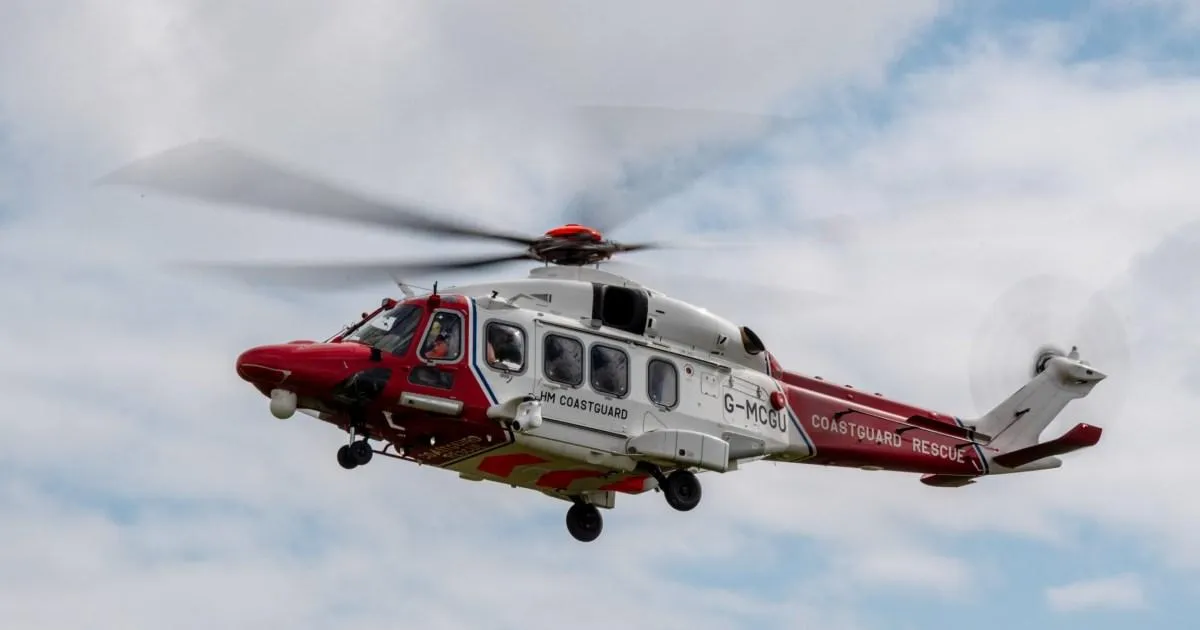
In a coordinated response, HM Coastguard immediately took charge of the situation, dispatching a sophisticated rescue helicopter to the scene. The urgency of the call also brought a fixed-wing aircraft to provide aerial surveillance and coordinate the search from above, casting a wide net over the churning waters. Simultaneously, two lifeboats from the Royal National Lifeboat Institution (RNLI) were launched from the nearby ports of Falmouth and Plymouth, their volunteer crews ready to face the challenging conditions. Recognizing the need for all available help, the coastguard broadcast an urgent appeal to other vessels in the vicinity, and their call was answered. A flotilla of local boats, including several French fishing vessels, converged on the area, creating a formidable search party united by a common purpose to find the missing mariners.
The initial moments of the search were filled with tense uncertainty as the rescue teams scanned the darkening sea. The first confirmed piece of good news came when three of the five crew members from the stricken fishing boat were found alive. They had managed to survive the sinking and were quickly recovered from the water, showing signs of exhaustion and shock. They were immediately airlifted by the coastguard helicopter to a hospital on land, where they could receive medical attention and treatment for their ordeal. The sense of relief over the three survivors, however, was overshadowed by the sobering reality that two of their colleagues were still unaccounted for. The search intensified, with the remaining rescuers focusing their efforts on an expanding area, hoping against hope for more survivors.
As Saturday night turned into the early hours of Sunday morning, the search operation evolved. The exhaustive night-time search, conducted in difficult conditions, had proven physically and mentally draining for the initial responders. The primary responsibility for the hunt was then passed to a new shift of lifeboat crews, with RNLI volunteers from Newlyn and Salcombe taking over from their colleagues in Falmouth and Plymouth. The aircraft, too, had to be rotated to ensure crews remained alert. This handover was a seamless yet critical part of the operation, ensuring that a fresh and clear-eyed group of professionals and volunteers could continue the methodical search with renewed energy. The harsh reality of the maritime environment is that survival time in cold water is limited, making every hour crucial.
The search was further complicated by the region’s volatile weather. After an unusually hot and dry summer, the English coast was on the brink of a dramatic change. Forecasts predicted the arrival of thundery showers and a significant shift in weather patterns. These storms brought with them the threat of strong winds, reduced visibility, and choppy seas, all of which would create perilous conditions for the rescuers and severely hinder the search efforts. The clear, calm weather that had made the initial response possible was giving way to a tempest, adding a layer of difficulty and danger to an already desperate situation. The changing conditions meant that the search area could not be expanded as easily and the crews had to navigate carefully through the squalls.
The news of the missing fishermen sent ripples of concern through the close-knit coastal communities of Cornwall and Devon, and across the Channel into France. For the families and friends of the two missing men, the wait was an agonizing ordeal, a period of profound uncertainty and hope. Night fell with no new findings, and the operation, which had made a successful initial rescue, shifted into a solemn search for the remaining men. Despite the best efforts of the HM Coastguard, the RNLI, and the civilian volunteers, the operation continues, a stark and poignant reminder of the immense power of the sea and the bravery of those who make their living upon it, as well as the selfless dedication of the people who risk their own safety to come to their aid. The story is a testament to human resilience and the powerful sense of community in the face of maritime tragedy.