


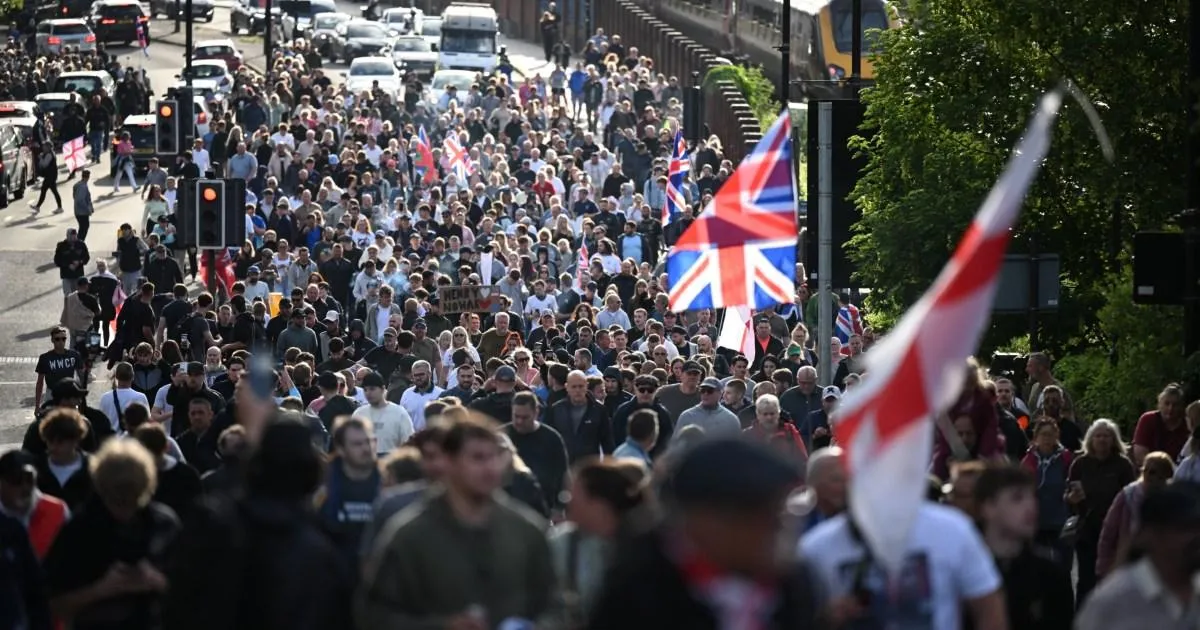
The streets of Southampton have recently become the stage for a deeply troubling sequence of events, as lingering community tensions exploded into a series of violent anti-police protests. What began as a platform for public frustration following the sentencing of Vickrum Digwa for the tragic murder of Henry Nowak quickly spiraled into chaos, leaving the city’s law enforcement and residents to grapple with the aftermath. The unrest, which initially formed near the Southampton Central Police Station before migrating to locations connected to the perpetrator, reflected a visceral reaction from citizens who feel that the handling of this high-profile case by the Hampshire Police has been fundamentally flawed. Unfortunately, these demonstrations ultimately abandoned the path of peaceful advocacy, descending into a night of aggressive confrontation that has left a scar on the local community.
As the situation deteriorated, the scenes captured by onlookers were jarring and dangerous. Protesters, seemingly losing control of their initial purpose, began launching a barrage of projectiles—including bricks, industrial bins, heavy fence panels, and even traffic cones—directly at responding officers. This transformation from a demonstration to a full-scale riot necessitated an immediate and significant police intervention to restore order. The recklessness displayed during the unrest endangered not only the officers tasked with maintaining public safety but also the fabric of the neighborhood itself. Such incidents serve as a stark reminder of how quickly volatility can override peaceful intention, turning a grievance into a public safety crisis that forces the justice system to respond with firm accountability.
In the wake of this turbulence, the Hampshire Constabulary has been systematically working to identify those responsible for the violence. The legal machinery is now in full swing, with authorities confirming that a total of 14 individuals have been charged to date. The latest update in this ongoing investigation saw three local men—36-year-old Darren Medhurst, 19-year-old Jordan Hambleton, and 27-year-old Callum Darch—charged with violent disorder. These individuals were remanded into custody, awaiting their appearances before the Southampton Magistrates’ Court. Their arrests signify the police’s commitment to holding people accountable for the specific actions that turned an evening of protest into a night of criminal destruction.
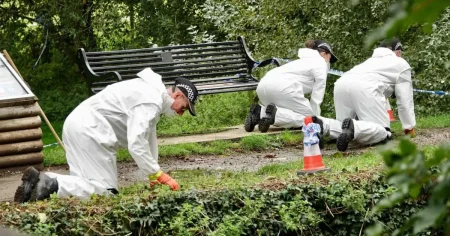
The sweep by law enforcement has been both swift and broad, underscoring the severity with which the authorities are viewing the unrest. Beyond those already charged, police have apprehended several other individuals across the region. This list includes men aged 18, 34, 45, and 41, all of whom remain in custody on suspicion of violent disorder as investigators meticulously comb through footage and evidence from the night. Furthermore, the reach of these investigations has touched even the younger members of the community, as evidenced by the arrest of a 16-year-old girl. While she was released on conditional bail pending further inquiries, her involvement serves as a sobering example of how fringe elements and impulsive actions in a volatile environment can lead to severe long-term legal consequences for everyone involved.
As the court processes begin to unfold, the city is left to reflect on the deeper issues that triggered such a fierce backlash. The murder of Henry Nowak was already a point of immense local pain, and the public’s perception of injustice—stoked by claims that the police had mishandled the investigation and misidentified the perpetrator—created a volatile mix of grief and resentment. When citizens feel that their trust in institutional justice has been broken, the resulting fervor can be immense; however, the transition to physical violence has only served to overshadow the original cause. By shifting the conversation from the victim and the systemic failures to the criminal acts of the protesters, the riots have ultimately complicated the push for the very accountability that the demonstrators claimed to be seeking.
Moving forward, the challenge for Southampton will be to navigate the remaining legal proceedings while attempting to heal the fractured trust between the authorities and sections of the public. With eleven people having already appeared in court and more hearings on the horizon, the legal fallout will likely dominate the local news cycle for some time. Yet, the broader conversation about policing, transparency, and the right to protest remains a vital, albeit difficult, narrative. Society is often tested in the wake of such tragedies, and how the community manages these tensions will define the path toward stability. For now, the focus remains on the courtroom as the city waits for the legal system to address the violence that has so deeply shaken their community.