

It was a scene of profound and shocking devastation that unfolded in the pre-dawn darkness near Middlesbrough, a tragedy that would leave a community reeling and a nation in mourning. The quiet silence of the early hours was shattered by a violent collision on the A66, a main artery of transport, when a Volkswagen Passat, carrying five young occupants, was driven the wrong way down the carriageway. In a horrifying instant, it collided head-on with a police vehicle that was travelling in the correct direction, a patrol car crewed by two officers responding to an unfolding situation. The sheer force of the impact was catastrophic, claiming the lives of all seven individuals involved. The immediate aftermath was a scene of immense tragedy, with the wreckage scattered across the tarmac and the emergency services facing a harrowing task. All seven victims were pronounced dead at the scene shortly before 4 a.m., leaving a void of grief and a torrent of questions that would dominate the national conversation for days to come.
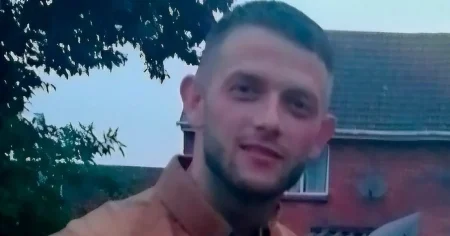
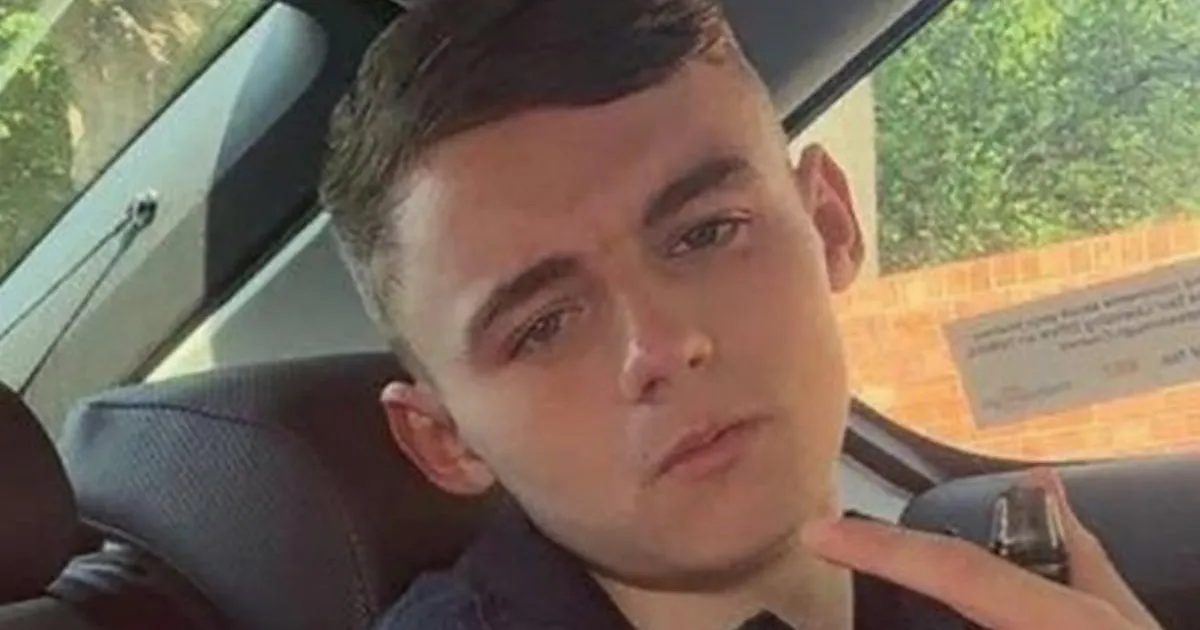
The victims were a stark and heartbreaking cross-section of the community. The two police officers, PC Matthew Blades, 37, and PC Tom Clough, 38, were experienced members of the Cleveland Police force, described as brave and dedicated public servants who went to work to protect their communities and never returned home. Their deaths were a profound blow to their colleagues, who mourned the loss of their friends and comrades-in-arms, and a stark reminder of the dangers that law enforcement officers face on a daily basis. The five occupants of the Passat have been named locally as Makai Saddington, 18, and four other teenagers: Michael Ray, Theo Rae, Cole Worthy, and Jakub Matusiak. They were all so young, their lives cut tragically short in a single, devastating moment. The loss of so many young lives simultaneously has inflicted an almost unbearable weight of sorrow on their families, friends, and the wider community, a collective grief for a future that will now never be.
In the digital age, a person’s life often leaves a complex and multifaceted trail, and the victims’ social media footprints have come under intense scrutiny. In the aftermath of the crash, it emerged that Makai Saddington, the eldest of the teenagers, had previously posted content on his TikTok account that appeared to depict him and others involved in dangerous police pursuits. One clip, reportedly posted in May, showed a group of teenagers in an Audi driving at high speed through a residential housing estate while a police car followed with its blue lights flashing, the car even leaving the road to drive over a grassy field in an apparent attempt to evade the officers. These videos provided a jarring and uncomfortable context to the tragedy, painting a picture of a young man who had a history of engaging in reckless, high-risk behaviour, a fact that now seemed tragically prophetic in light of the fatal crash. While these revelations do nothing to diminish the grief for the loss of his life, they do highlight a pattern of behaviour that raises difficult questions about the culture of street racing, the glorification of evading the police, and the profound dangers inherent in such activities.
The chaos of that fateful morning was further evidenced by footage from doorbell cameras, which had captured a car driving along a residential road at considerable speed, closely followed by three police cars. This corroborates the reports that the incident began as a pursuit, initiated by officers who were presumably responding to reports of a stolen vehicle or dangerous driving. The Passat, carrying five passengers, was being chased by police before it entered the A66 and began travelling in the wrong direction, directly into the path of oncoming traffic. The decision by the driver to go the wrong way is one of the most baffling and devastating aspects of the tragedy, an act of desperation or gross negligence that sealed the fate of everyone involved. The role of the pursuing police officers, who were themselves following procedures to stop a dangerous driver, will now be the subject of a thorough and independent investigation, which will seek to examine the decisions made in those final, frantic moments, and whether the pursuit could or should have been handled differently.
The official response was one of profound shock, grief, and a commitment to finding the truth. The Prime Minister expressed he was “devastated” by the news, offering his thoughts to the families and loved ones of all involved and thanking the emergency services who responded in such distressing circumstances. He also urged the public to avoid speculation while the full details of the incident were being established. The Home Secretary echoed these sentiments, confirming that the police force had her full support. The Independent Office for Police Conduct (IOPC) immediately launched an investigation into the incident following a mandatory referral, sending investigators to begin the complex process of reviewing evidence from the scene, including examining police procedures and the decisions taken by all officers involved. Chief Constable Victoria Fuller of Cleveland Police delivered an emotional tribute to her fallen colleagues, describing the day as “incredibly sad” for the force and the community, and highlighting the inherent dangers that her officers face every single day. The focus was not just on the how, but also on the why, as investigators began the painstaking task of piecing together the events that led to such a catastrophic loss of life.
This tragedy was not an isolated event; it mirrored a similarly horrific crash that had occurred just a week earlier in County Kildare, Ireland. In that incident, five teenagers travelling in a stolen BMW which was being driven the wrong way on the M9 motorway collided with an oncoming car carrying a family believed to be heading to Dublin Airport. The crash resulted in the deaths of the five teenagers and left three women and a seven-year-old boy with serious injuries. This striking parallel between two devastating crashes in the space of a week sent a chilling message across the UK and Ireland, serving as a grim reminder of the lethal potential of reckless driving and high-speed police chases. The deaths of so many young people in these circumstances have forced a national reckoning, prompting difficult conversations about road safety, the effectiveness of police pursuit policies, and the urgent need to tackle the dangerous and often fatal consequences of joyriding and the illegal street racing culture. The events on the A66 and the M9 have left a deep scar, a tragedy of immense proportions that has shattered families and left communities in mourning, with a legacy of questions that will require careful and sensitive answers.