



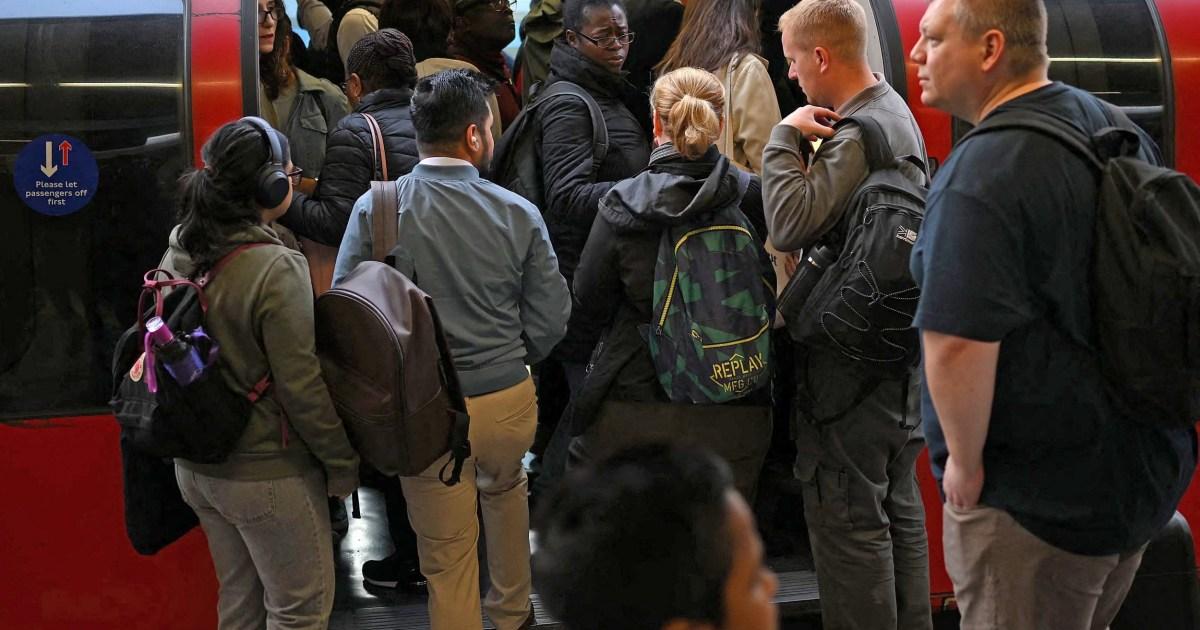
The Piccadilly Line, a vital artery in London’s sprawling underground network, has been grappling with significant disruptions stemming from an unlikely culprit: fallen leaves. While autumn’s vibrant foliage can paint a picturesque scene above ground, the same leaves wreak havoc on the intricate workings of the underground railway system. Two weeks prior to the ongoing delays, an accumulation of fallen leaves on the tracks between Uxbridge and Rayners Lane led to damage both to the tracks themselves and to the carriages operating on the line. This damage has necessitated a continued suspension of service between these two stations, forcing commuters to seek alternative routes and endure extended travel times.
The incident highlights the persistent challenge that leaf fall poses to railway operations, particularly in regions with dense tree cover. Leaves, once settled on the tracks, create a slippery layer akin to black ice on a roadway. This slippery surface significantly reduces the friction between the train wheels and the rails, impacting braking distances and increasing the risk of wheel slippage. Furthermore, the crushed leaves can form a compacted layer that interferes with the electrical conductivity of the rails, affecting the signaling systems that ensure safe train operation. The accumulation of leaf mulch also retains moisture, accelerating the corrosion of the rails and contributing to overall track degradation.
Transport for London (TfL), the entity responsible for managing the city’s public transportation network, has emphasized its proactive measures to mitigate the impact of leaf fall. They employ a comprehensive annual action plan that includes intensive trackside vegetation clearance and the deployment of specialized engineering trains. These trains are equipped with powerful scrubbing and jetting mechanisms designed to remove leaf debris and other contaminants from the rails. Additionally, TfL utilizes adhesion modifiers, substances applied to the rails to enhance traction and minimize wheel slippage, particularly in leaf-affected areas.
Despite these preventative measures, the sheer volume of leaves falling during the autumn season can overwhelm even the most robust mitigation efforts. The combination of specific weather conditions, such as dampness and low temperatures, can exacerbate the leaf-related issues, making it difficult to maintain optimal track conditions. As a result, TfL occasionally resorts to partial line suspensions, like the one currently affecting the Piccadilly Line, to prioritize passenger safety and prevent further damage to rolling stock and infrastructure. The decision to suspend service, though disruptive, is often a necessary precaution to address the unique challenges posed by the seasonal influx of leaves.
The Piccadilly Line disruption underscores the delicate balance between maintaining a reliable transportation system and managing the environmental realities of an urban setting. While leaf fall is a natural and unavoidable occurrence, its impact on railway operations can be significant and far-reaching. The ongoing situation serves as a reminder of the complex interplay between natural phenomena and human-engineered systems. It also highlights the ongoing efforts of transportation authorities to adapt and innovate in the face of persistent challenges, striving to minimize disruptions and ensure the safe and efficient movement of passengers.
The incident also prompts broader considerations about the long-term strategies for mitigating the impact of leaf fall on railway networks. Continued investment in research and development of innovative track cleaning technologies is crucial. Exploring alternative track materials that offer enhanced grip and are less susceptible to leaf-related issues is another avenue for improvement. Additionally, refining vegetation management practices, such as selective pruning and targeted removal of trees prone to excessive leaf shedding in close proximity to tracks, can contribute to a more sustainable solution. Ultimately, a multi-pronged approach that combines technological advancements, proactive maintenance, and environmentally conscious vegetation management is essential for ensuring the resilience and reliability of railway systems in the face of seasonal challenges.