

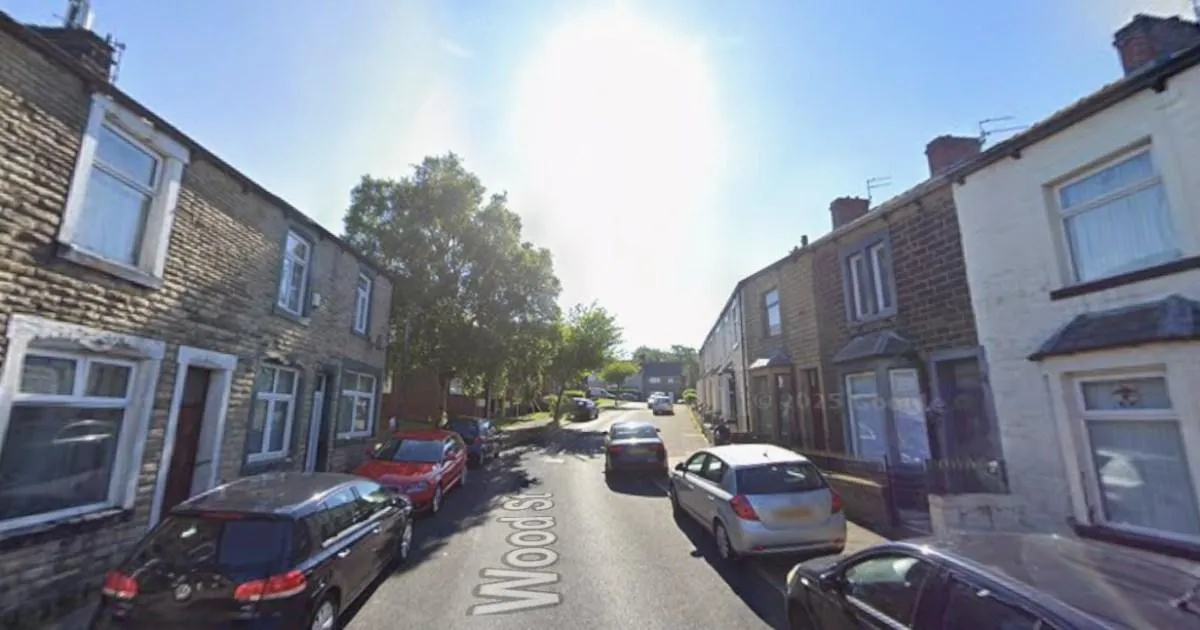
On Friday afternoon, a quiet neighborhood in Brierfield, Lancashire, was rocked by a horrifying incident that left the local community shaken. Shortly after 3:00 p.m., emergency services—including a significant deployment of armed police—rushed to Wood Street following reports of a violent attack. The situation, which unfolded in broad daylight, centered on a 17-year-old girl who had been subjected to a brutal assault. The sudden presence of flashing lights and official vehicles in what is usually a peaceful residential area served as a stark reminder of how quickly safety can be compromised in our communities.
The details of the attack are deeply concerning, as authorities later confirmed that the teenager had sustained a stab wound to the back of her neck. Given the severity of such an injury, the arrival of medical personnel was a critical, life-saving necessity. While the physical nature of the wound is undoubtedly traumatic, there is a small measure of relief in the news that her injuries are not considered life-threatening or permanent. She was promptly transported to a nearby hospital, where she is currently receiving the care and medical attention required to help her recover from this senseless act of violence.
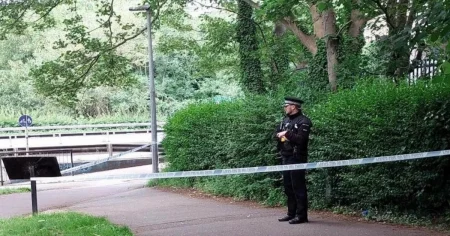
In the immediate aftermath of the incident, law enforcement moved swiftly to contain the threat. A 30-year-old man was apprehended by officers at the scene shortly after the initial emergency call was placed. He has since been taken into custody on suspicion of attempted murder. The presence of armed police underscores the gravity of the situation and the police department’s commitment to ensuring no further harm could come to the residents of Wood Street. While the suspect remains in custody, the investigation into the specific circumstances surrounding this attack is currently ongoing.
Incidents of this magnitude inevitably cast a long shadow over a tight-knit town like Brierfield. When violence strikes without warning, it forces residents to confront feelings of vulnerability and apprehension regarding their own neighborhoods. The police, recognizing the natural anxiety that follows such a high-profile disturbance, have moved to increase their visibility in the area. By deploying extra patrols for the evening and the days following, the local constabulary aims to offer a sense of physical security and a calm presence to those who might otherwise feel unsafe venturing out.
As the community begins to process what occurred, the focus remains primarily on the wellbeing of the young victim. Acts of violence involving youth are particularly difficult for a public to digest, as they shatter the implicit trust we place in the safety of our shared spaces. The authorities look toward justice to provide some form of closure, relying on the judicial process to determine the path forward for the individual currently held in connection with these events. Meanwhile, the neighborhood is left to grapple with the emotional fallout of a day that began as a routine Friday and turned into a nightmare.
Looking ahead, the incident serves as a sobering reflection on the necessity of community vigilance and the importance of supportive infrastructure. While law enforcement handles the logistical and legal fallout of the arrest, the humanity of the situation remains paramount. It is a reminder that behind every headline detailing an arrest or an emergency call is a person whose life has been irrevocably disrupted. Our collective thoughts go out to the young girl as she begins her recovery, and we are reminded once again of the fragility of our daily peace and the vital role that neighbors and emergency responders play in protecting one another.