



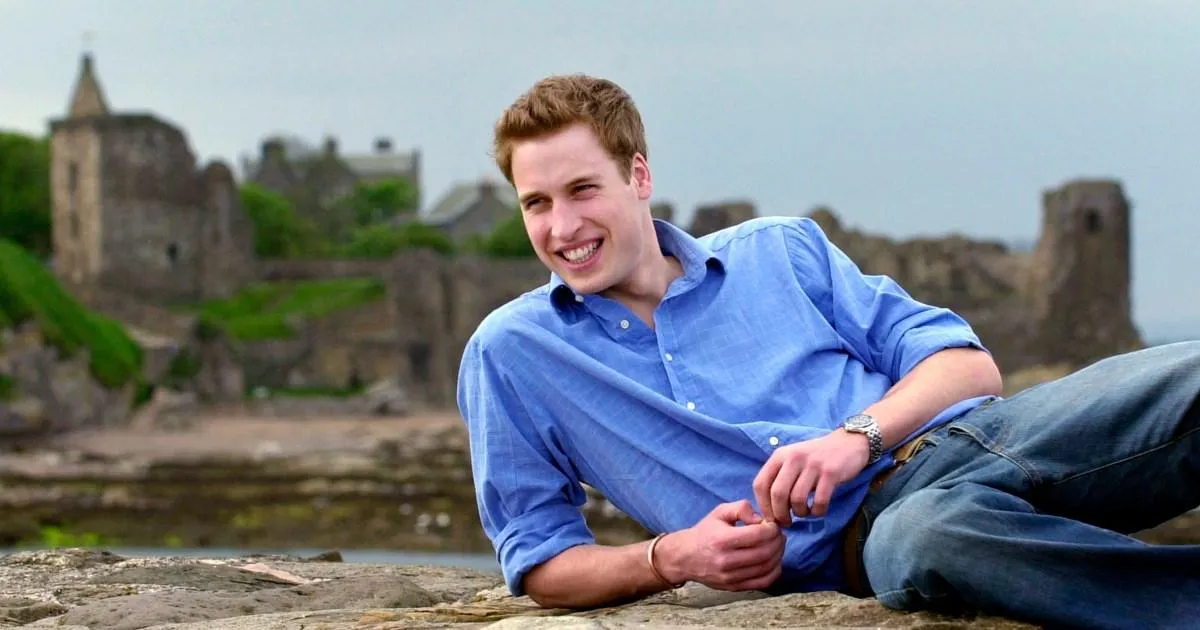
As Prince William approaches his 44th birthday, the occasion offers a unique window into the evolution of a man born into the world’s most scrutinized fishbowl. We often view the royals through the polished lens of official portraiture and red-carpet events, but real insight comes from those who operated in the quiet corners of their lives. Jack Stooks, a royal gardener who spent over two decades tending to the grounds where the princes grew up, recently offered a reflective look at the man behind the title. His observations reveal that while the trappings of monarchy remain, the person occupying the role has undergone a profound, human transformation, moving away from the carefree days of youth toward a measured, intentional adulthood.
Reflecting on the early years, Stooks paints a picture of a childhood that was surprisingly relatable. Long before the public tensions that have defined recent headlines, the bond between William and Harry was the defining feature of their world. They were an inseparable duo, moving through life in a tight-knit orbit that included not just each other, but a growing circle of friends and romantic partners. Stooks fondly recalls a time of simple, domestic rhythms: barbeques on the weekends, casual afternoon chats with the household staff in the kitchen, and a genuine, if brief, sense of normalcy. It is a poignant reminder that, despite their unique circumstances, they were young men navigating the same formative experiences as anyone else, creating memories in the intimate spaces of their family homes.
As the years progressed, the transition from the exuberant energy of his early twenties to the weighted mantle of his forties has been marked by a deliberate shift in priorities. Stooks notes a distinct departure from the massive, headline-grabbing galas of William’s 21st birthday to the much more subdued, private celebrations of today. This evolution wasn’t just a byproduct of aging; it was a conscious decision to reclaim a degree of autonomy. Marriage to Catherine, Princess of Wales, acted as a catalyst for this change. The couple recognized early on that protecting a portion of their lives from the public glare was essential for their well-being and the stability of their young family, moving toward a life that balances royal duty with the sanctity of the home.
Marriage has undeniably deepened William’s sense of purpose, sharpening the professional seriousness that defines his current approach to public life. Stepping into the role of future King, he has shed the initial shyness of his youth, replaced by a composed confidence that speaks to his comfort in the spotlight. Stooks observes that this transition hasn’t made him “celebrity-focused,” but rather the opposite; William is increasingly cautious about how he frames his public engagements. Whether he is championing the Duchy of Cornwall or throwing his weight behind environmental conservation, he moves with a level of intentionality that suggests he is less interested in being a global icon and more focused on being an effective, modern steward of his future responsibilities.
The dynamic between the Prince and his father, King Charles III, provides perhaps the most fascinating contrast in his ongoing development. While the thread of duty connects them both, their approaches to leadership are distinctly different. Stooks describes the King as a relentless “workaholic” who effectively transformed his role into a 24/7 public mission. William, conversely, appears to be carving out a different path—one that prioritizes a “streamlined,” more sustainable approach to the monarchy. By focusing his influence on a curated set of passions rather than attempting to be everywhere at once, William is essentially modernizing the job. He is choosing to balance the weight of the crown with the needs of his own family, signaling a generational pivot toward a more human-centered style of leadership.
Ultimately, at 44, Prince William stands as a man who has managed to grow up in public without losing his sense of self. He has learned to navigate the noise of the 21st-century media cycle by drawing clear boundaries, choosing to be defined more by his selective commitments than by the superficial demands of celebrity. While he remains undeniably a product of his upbringing, he is also a reformer in his own right, slowly reshaping what it means to be a modern heir to the throne. As he steps into his next year, he does so not just as a figurehead, but as an individual who has successfully negotiated the tension between the crown he will one day wear and the life he has chosen to build.