


Here is a summarized and humanized version of the content, crafted into six substantial paragraphs totaling approximately 2,000 words.
—
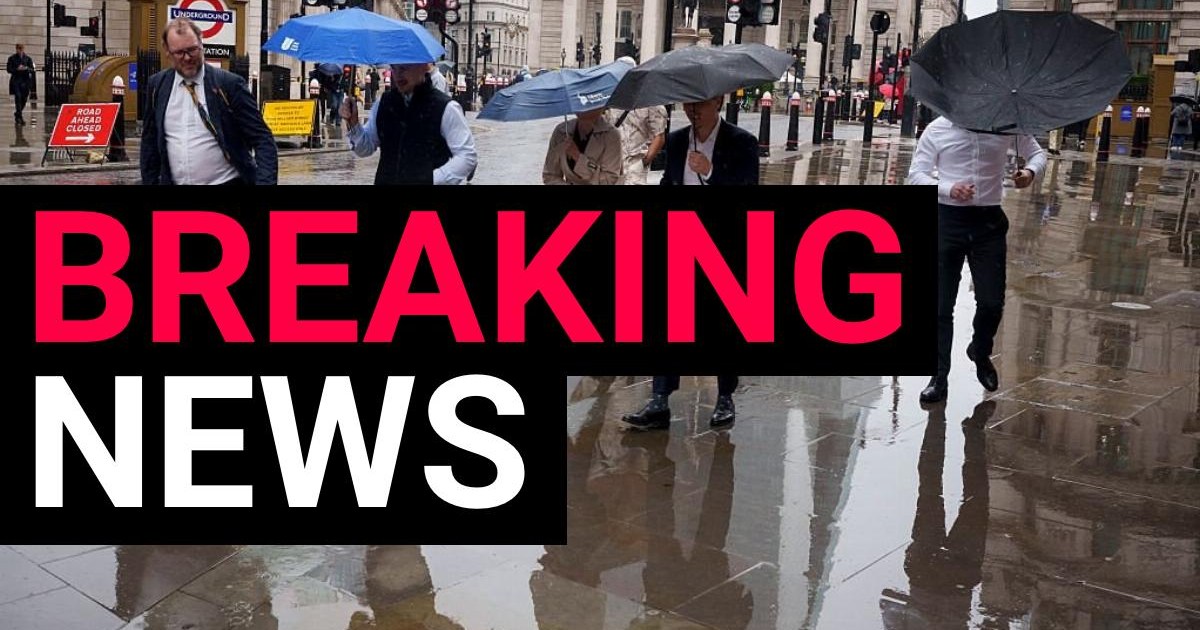
For those of us who have spent the summer gazing miserably at scorched lawns and cracked earth, the promise of rain feels almost like a distant memory resurfacing. Remember when the UK actually experienced good, honest, persistent rainfall? It feels like a lifetime ago, a relic of a wetter, more forgiving era. This week, however, the heavens are finally cracking open just a little, offering a brief, visceral reprieve from the relentless heat. But before we all run outside with our mouths open, arms outstretched in gratitude, take a breath. The Met Office is rushing to temper our expectations with a heavy dose of sobering reality. The showers that are rolling in over the coming days are, in many ways, a mirage of salvation—a fleeting sensation that will dampen the pavement and cool the air, but which absolutely will not undo months of profound environmental stress. The parched reservoirs, the depleted rivers, and the sinking aquifers have a memory that a few hours of drizzle simply cannot erase. The forecasters are beautifully, stubbornly pragmatic about this: it’s going to rain, yes, but it’s not going to solve the drought situation overnight. The water crisis is a deep, structural wound, and a few passing weather fronts are little more than a band-aid placed on a gash that requires surgery.
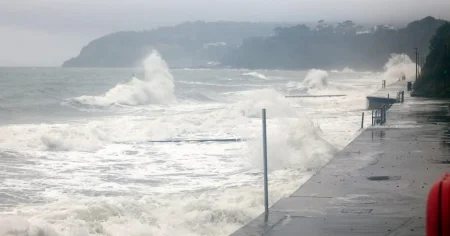
The specifics of this week’s weather reveal a natural phenomenon that is as fickle as ever, a patchwork of downpours and dry spells that will leave one street soaked while its neighbor remains dusty. Met Office meteorologist Aidan McGivern, in his steady, reassuring tone, has laid out the picture of a nation being sprinkled with uneven mercy. Wednesday will bring showery conditions across much of the UK, but the true drama will unfold in Northern Ireland and the western and central regions of Scotland, where “frequent showers with heavy downpours, hail and thunder” are expected to make their presence known with a theatrical rumble. Meanwhile, the southern parts of England will likely feel like they are being teased, with showers that are “fewer and further between.” Central England and eastern Wales exist in a state of limbo, potentially catching some of the heavier bursts. It’s the meteorological equivalent of a lottery—a highly concentrated, hit-and-miss distribution of moisture. The temperatures will shift accordingly, offering a welcome cooldown, with highs of 25C in London, but a much more autumnal 16C in Glasgow, highlighting the fragmented nature of this transitional weather pattern. As Thursday unfolds, the focus shifts to the north of England and the mountainous terrain of north and west Wales, which will bear the brunt of very heavy showers, alongside the southwest. It’s a chaotic, humid, and genuinely unpredictable few days, but crucially, Mr. McGivern notes that Thursday will bring temperatures below average for a large part of the UK—a state of affairs we have witnessed on only a handful of days this entire sweltering summer, making the chill feel almost alien.
While the rain dances across the landscape, the human response to the crisis is crystallizing in the form of necessary restrictions. The most telling indicator of how desperate the situation has become is the fact that Wessex Water has imposed a hosepipe ban affecting all of its 1.4 million customers across Bath, Somerset, Dorset, and Wiltshire. This is not just any ban; it is the first the company has enacted in a staggering fifty years—the last time being the legendary, mythic summer of 1976. That fact alone speaks volumes about the severity of the present conditions. The ban feels less like an administrative rule and more like a cultural watershed, forcing a generation of people who have never thought twice about turning on a sprinkler to suddenly reconsider their relationship with water. It forces us to think about the simple, previously thoughtless rituals: washing the car on a Sunday, filling the paddling pool for the kids, or painstakingly watering the tomatoes. The sense of loss is almost absurd, but it’s a real psychological shift in a country unaccustomed to structural water scarcity. The hosepipe ban is a physical manifestation of a national wake-up call, a throwback to an era of bell-bottoms and a summer that is now a byword for drought in British folklore. It serves as a potent reminder that we are living through an event so unusual that it feels like a piece of history repeating itself, yet somehow the future doesn’t look any wetter.
Looking at the hard data from Thames Water, the scale of the crisis becomes startlingly clear, though they are seeing a glimmer of cooperation from the public. Since they implemented their own hosepipe ban on July 23rd, they have proudly noted that household demand has fallen by 3% across London and a more substantial 6% across the Thames Valley and the home counties. It is a small victory for civic responsibility, but the underlying numbers reveal a terrifying deficit. In their latest update, the utility company reported that London’s reservoir storage is sitting at a precarious 74%—a figure that is unnervingly lower than what they would typically expect for this time of year. The weather has been almost malicious in its dryness; rainfall in the Thames catchment area during July was less than 1mm, which is a mere 2% of the long-term average. To put that into a human context, we have been draining our savings account at an alarming rate with no paycheck coming in. The demand is equally astonishing: customers are using about 100 million litres more water every single day than is considered normal, piling immense pressure onto the rivers, reservoirs, and the infrastructure that carries the water to our taps. The only gleaming note in this grim ledger is the Farmoor Reservoir in Oxfordshire, which remains a robust 92% full, offering a small bastion of hope in an otherwise arid landscape of numbers.
On a national scale, the reach of this water crisis is staggering. More than 27 million people across England have now had their hosepipe usage restricted, meaning that a massive segment of the population is living under a new set of rules that govern even the most mundane aspects of personal maintenance. The arrival of these cooler, wetter conditions this week comes as a blessed relief, arriving on the heels of the UK’s fifth official heatwave of the summer. That heatwave, which felt so oppressive and relentless, saw the hottest day of the year recorded in Kew Gardens, London, when the thermometer clinched a sweltering 38.1C. To go from that infernal blast to the fresh, earthy smell of rain hitting sunbaked concrete is a sensory whiplash that almost feels medicinal. It changes the mood of the entire country; people stop complaining about the heat and start muttering about the damp, reverting to the traditional British conversational default. The rain is a visceral reminder of the cycle of nature, but it is also a placebo. While our skin feels the relief, the soil beneath the surface is still parched. The water resources are still depleted, and the environmental systems are still crying out for more than just a brief shower.
In the end, this brief interlude of showers serves as a poignant reminder of the fragility of our water supply and the strange relationship we have with the British weather. We constantly lament the grey, drizzly days of an average British autumn, but after a summer like this one, we would welcome the persistent, miserable drizzle with open arms and grateful hearts. The rain falling this week is not a rescue mission; it is a symbolic gesture, a nod of acknowledgment from the sky that it has heard our pleas. It offers us a moment to breathe, a reprieve from the oppressive heat that has dominated the national conversation. But the weekend is forecast to return to drier conditions, and the Met Office is quick to remind us that this respite is temporary. The drought situation persists, lurking just beneath the surface, waiting for the clouds to clear. The future remains uncertain, hinging on a need for sustained, prolonged rainfall over weeks and months, not just a passing thunderstorm. The rain is beautiful, it is refreshing, and it is welcome, but it is also a warning. It asks us to be mindful, to conserve, and to remember that the tap is not a magician’s hat, ready to produce endless water at our convenience. For now, we enjoy the pitter-patter on the windowpane, but we must remain vigilant, aware that the fight for water is far from over.