



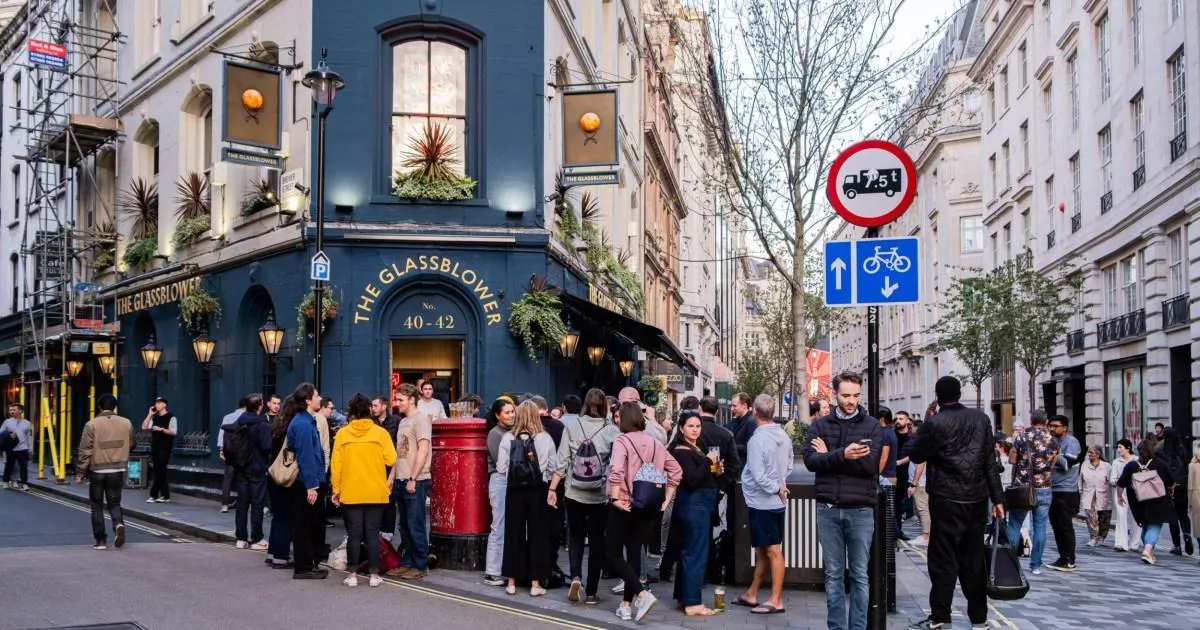
The iconic soul of London’s nightlife is currently at the center of a heated standoff, as Westminster Council considers a draft policy that could permanently alter the character of the city’s most famous pubs and bars. The proposal seeks to curb what officials refer to as “vertical drinking”—the long-standing British tradition of enjoying a pint while standing at the bar or chatting in a crowded room. Instead, the council is nudging venues toward a more sedentary model, encouraging the removal of open bar space in favor of mandatory table service. For those who live and breathe the energy of Soho and the West End, this feels less like a planning adjustment and more like an attempt to sterilize the vibrant, fluid social experience that defines the heart of the capital.
Business owners, who have navigated years of economic instability and the lingering effects of the pandemic, are feeling blindsided by these suggestions. Figures like Siobhan MaGill, who runs Archer Street, argue that the proposals fundamentally misunderstand how people interact in a social setting. For many, the pub is a place of movement—a space where you can wander, meet new faces, and soak in live music without being tethered to a seat. By forcing guests into a waiter-only service model, the council risks transforming lively, organic meeting spots into stiff, restaurant-style environments. Critics fear this will strip the West End of its magnetic charm, potentially turning away both locals and tourists who visit the city specifically for that electric, unscripted atmosphere.
The backlash from the hospitality industry has been swift and visceral, with many comparing the potential new reality to the suffocating restrictions of the Covid-19 era. Sacha Lord, a prominent voice in the night-time economy, expressed total disbelief at the “draconian” nature of the measures, suggesting that these rules threaten the very survival of the venues they aim to regulate. There is a profound fear that by stifling the freedom to move and stand, the council is inadvertently killing off the character of the night-time economy. When you remove the ability for a pub to be a bustling, open space, you don’t just change the seating chart; you erode the social fabric that makes London’s nightlife world-renowned.
Perhaps even more alarming to business advocates is the proposed expansion of the “cumulative impact zone,” a restrictive measure that would effectively stop the opening of new bars, clubs, and live entertainment venues in the most active parts of London. Critics argue that if the city prohibits fresh talent and new concepts from setting up shop, the area will inevitably stagnate and decline within a few years. Mayor Sadiq Khan has slammed the policy as “anti-growth,” arguing that at a time when the hospitality sector is struggling to find its footing, such restrictive, “nimby-style” policies are the last thing London needs. From his perspective, the council is actively working against the interests of jobs, business, and the general joy of city living.
The implications of this policy extend far beyond the borders of Westminster. Because the council acts as a trendsetter for licensing authorities across the United Kingdom, industry leaders like Michael Kill of the Night Time Industries Association warn that this could trigger a domino effect. If the capital’s most powerful council adopts these rules, other municipalities may feel emboldened to impose similar restrictions, effectively criminalizing the casual, standing-room-only pub culture that has been a hallmark of British life for generations. This isn’t just a local zoning dispute; it is a fundamental debate about whether our public spaces should remain flexible and social or become rigidly controlled and transactional.
In response to the mounting outcry, Westminster Council has defended its position, insisting that these measures are about management rather than restriction. Councillor Tim Barnes maintains that the council wants to see profitable, thriving venues and that the draft guidance is designed to minimize overcrowding and public disturbance. He points out that the council still approves the vast majority of license applications and is simply trying to balance the needs of residents with the demands of a bustling nightlife. Yet, for many bar owners and patrons, the gap between the council’s bureaucratic intent and the reality of London’s spirit remains massive. As the consultation continues, the industry is bracing for a fight to protect the right to stand, socialize, and keep the heartbeat of the West End alive.