

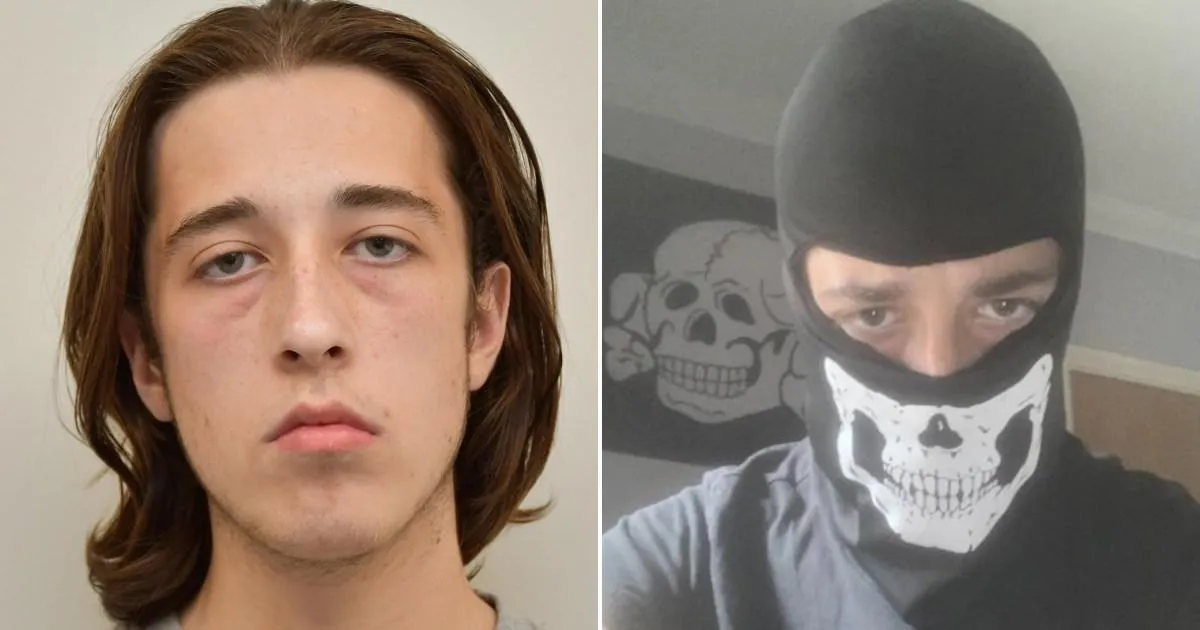
The conviction of 22-year-old Alfie Coleman serves as a chilling reminder of how quickly extremist ideologies can take root, particularly when left to fester in the isolated corners of the internet. Coleman, an Essex man who worked at a local branch of Tesco, was recently sentenced to 13-and-a-half years in prison after a retrial at the Old Bailey confirmed he had been preparing for terrorist acts. Beyond his job and normal daily life, he had been harboring a dark,, hateful agenda, drafting “kill lists” that specifically targeted his own coworkers and customers whom he deemed “race traitors.” His plans extended far beyond his workplace, as he composed a manifesto outlining attacks on high-profile figures, including the Lord Mayor of London, as well as plans to target a local mosque.
The case gained momentum when intelligence agencies became increasingly concerned about Coleman’s growing role within extreme right-wing online circles. By the summer of 2023, he had progressed from merely consuming hateful rhetoric to actively seeking the tools for violence. He initiated attempts to purchase high-powered weaponry, including a Skorpion submachine gun and an AK47. In a sophisticated sting operation, undercover intelligence officers infiltrated his encrypted communications, posing as arms dealers. This interaction culminated in a dramatic scene in a Morrisons car park in Stratford, where Coleman arrived to exchange £3,500 in cash for a Makarov pistol and substantial ammunition. Armed police moved in immediately, capturing him moments after he took possession of the lethal stash.
Following his arrest, a search of Coleman’s home provided a grim look into the mind of someone deeply radicalized. Officers discovered that his bedroom had become a shrine to Neo-Nazi ideology, complete with swastika-adorned rocks, a Black Sun flag on his wall, and a collection of knives and tactical gear. He had groomed himself for violence for years, as investigations revealed he had been consuming far-right literature since the age of 14. Among his possessions were books idolizing Thomas Mair—the man who murdered MP Jo Cox—and instructional guides on bomb-making. He had even invested in counter-surveillance technology, including a bug detector, reflecting how seriously he took his transition from an online agitator to a clandestine domestic extremist.
During his trial, Coleman attempted to frame his actions as the result of a mental health crisis and social isolation stemming from the Covid-19 lockdowns. He argued that his hateful statements and the disturbing notes found in his possession were merely “intrusive thoughts” or a form of online bravado—a desperate plea to characterize his actions as fantasy rather than a genuine, premeditated threat. He maintained that he never intended to go through with the violence. However, the court remained unconvinced. The judge, KC Richard Marks, explicitly labeled Coleman a “dangerous offender,” noting that the defendant’s views were “virulently racist” and clearly translated into actionable plans that posed a substantial threat to public safety.
The testimony revealed a young man who had grown “seething with hatred,” evidenced by an email sent in 2021 to a white supremacist organization expressing his desire to move from anonymous posting to real-world activism. He had spent his final days of freedom documenting his transition to action, even ordering tactical gear just days before his arrest. By the time he was apprehended, he had moved well past the stage of online posturing; he was actively preparing to turn his online delusions into real-world tragedy. The judge’s sentencing, which includes an additional five years on an extended license, reflects the severity of the threat he posed to his community.
In the aftermath of the trial, counter-terrorism authorities have sounded a grave alarm regarding the vulnerability of teenagers to online radicalization. Commander Helen Flanagan noted that Coleman’s story is a heartbreakingly common example of how young people can be lured into violent extremism if their online activity goes unchecked. She urged parents and caregivers to confront the uncomfortable realities of their children’s digital lives, emphasizing that meaningful conversations and early intervention are the only ways to steer vulnerable youths away from these dangerous paths. Alfie Coleman’s descent from an isolated teenager to a convicted terrorist stands as a stark warning about the lethal risks of ignoring hateful behavior online.