



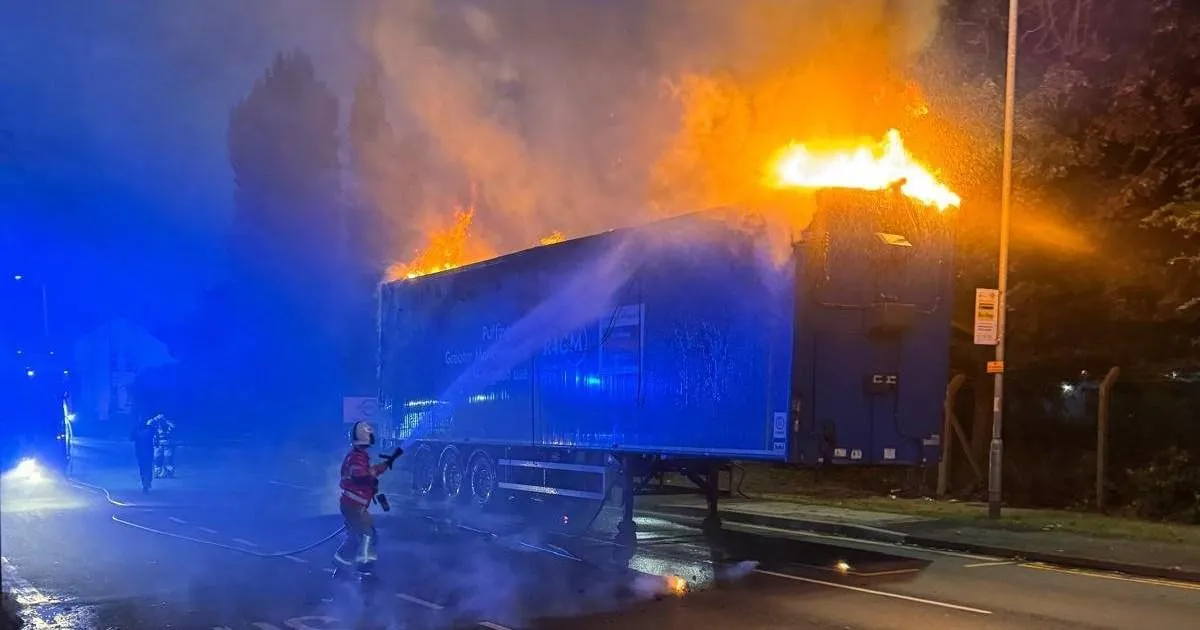
The convenience of disposable vaping culture has birthed an escalating, invisible crisis that is literally catching fire on our streets. Recent data from SUEZ Recycling and Recovery UK reveals a harrowing trend: their crews are battling hundreds of fires annually, all tied to the improper disposal of vapes. Despite a government ban on single-use vapes, an estimated 6.3 million units are still being discarded every week across the country. When these devices end up in general household waste, the lithium-ion batteries inside are subjected to the crushing force of collection trucks or industrial shredders, causing them to pierce, ignite, and erupt into intense, uncontrollable blazes.
The human and financial toll of this “throwaway” habit is staggering. For the workers in the waste management sector, a routine collection can turn into a life-threatening situation in an instant. Imagine a refuse lorry driving through a busy residential area or a school zone, only for the load to catch fire. Drivers have been forced to dump tonnes of smoldering, toxic waste onto public highways just to prevent their vehicles from being incinerated. With SUEZ reporting that roughly 80% of their fires are now linked to these batteries, the industry is calling this a crisis that is getting worse, not better, despite legislative efforts to curb consumption.
Beyond the immediate danger to frontline workers and the public, these fires cause catastrophic damage to expensive recycling infrastructure. A recent major incident in Widnes, where hundreds of tonnes of cardboard went up in flames, is believed to have been triggered by a single discarded vape battery. Beyond the environmental devastation, these fires translate into a massive economic burden, costing taxpayers over £1 billion annually. Industry experts emphasize that the current ban has failed to adequately address the secondary issue: how to safely manage the millions of pods and devices that are still finding their way into the wrong bins every single day.
To combat this, waste management leaders are urging the government to launch a national, high-profile education campaign modeled after the successful anti-smoking initiatives of the past. The public largely remains unaware that a small, sleek vape device contains an incendiary hazard equivalent to a ticking time bomb when compressed. Educational outreach must make it painfully clear that these items absolutely cannot go into household bins, but the industry argues that guidance alone is no longer enough. The convenience of “binning it” is too deeply ingrained, and without a structural change in how these products are returned, the status quo remains a recipe for disaster.
The proposed solution gaining the most traction is a mandatory, national deposit return scheme for vapes. By placing a specific financial incentive on each device, the government could encourage users to return them to dedicated, safe disposal points rather than tossing them away. This would mirror the upcoming recycling schemes for plastic bottles and provide a clear, easy path for the public to do the right thing. Industry advocates argue that this deposit system, combined with a stricter crackdown on retailers selling illegal, high-capacity products, would finally bring this hazardous trend to heel and take pressure off the overburdened waste management network.
While the government maintains that they have “turned the tide” by reducing the volume of disposable waste, the reality on the ground from those fighting the fires suggests otherwise. Defra has acknowledged the industry’s concerns, noting that they are exploring further interventions to improve battery collection. However, for those on the front lines, the time for deliberation is running thin. Every day that passes without a robust, national recovery system is another day where residents, workers, and vital infrastructure remain at risk of a fire that could have been avoided with a more responsible approach to disposal.