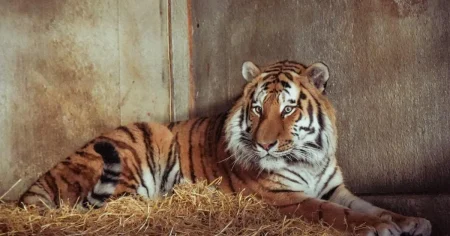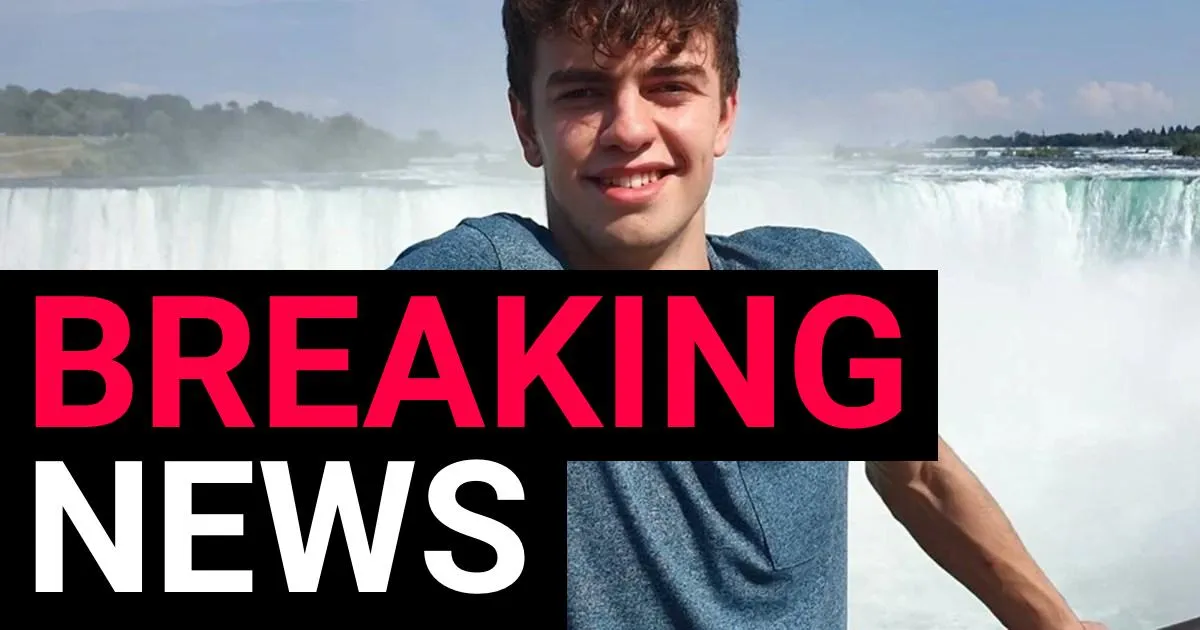
William Chapman was only twenty-three years old, a young man described by those who loved him as bright, warm and engaging. On a Saturday afternoon, he went alone to the Yorkshire Wildlife Park in Doncaster, a place where families come to see animals from around the world. At some point, he entered the enclosure of Altai, a five-year-old Siberian, or Amur, tiger weighing around four hundred pounds. Visitors watched in horror as the tiger, initially resting on a platform, pounced. Emergency services were called shortly after 1.30pm, but Mr Chapman was pronounced dead at the scene. The immediate shock of the event was profound, not only for the public who witnessed it but also for the park staff, who fired shots into the air in an attempt to move the tiger away. At an inquest opening at Doncaster Coroner’s Court, the coroner confirmed that the cause of death was multiple traumatic injuries caused by physical contact between the tiger and Mr Chapman. But behind that clinical explanation lies a far more complicated and heartbreaking story of a young man who had been struggling with severe mental illness for years, and whose family now face not only their grief but also the unsettling knowledge that his final moments were filmed and circulated online.
The inquest revealed that Mr Chapman had been diagnosed with schizophrenia and had a history of mental illness. He had experienced bouts of psychosis and had been under the care of adult mental health services in Doncaster. His family disclosed that he had been living with significant mental illness over a number of years and was prescribed strong medication. In the days following his death, his family raised concerns about his contact with mental health services before the tragedy, and the Rotherham, Doncaster and South Humber NHS Trust launched an investigation. The coroner’s officer, Caitlin Brookes, confirmed this at the inquest. Yet despite the severity of his condition, Mr Chapman was described as highly functioning and independent, with no formal care requirements. This detail is important because it challenges the assumption that someone with schizophrenia cannot live a full and self-sufficient life. He was working as a self-employed online trader and living in Doncaster at the time of his death. His illness did not define him entirely; he had dreams, routines, and a personality that his family remember with love. But the reality of mental illness is that it can be unpredictable, and even those who appear to be managing can experience moments of profound vulnerability. The family’s statement after his death expressed utter devastation, saying they were struggling to come to terms with what had happened. They also made a plea for privacy and compassion, asking people to stop sharing distressing footage of the incident, which was causing them severe distress at an exceptionally vulnerable time.
Before his adult struggles, William Chapman had a life that seemed full of promise and creative energy. As a schoolboy, he attended the Jackie Palmer Stage School in High Wycombe, Buckinghamshire, a place known for nurturing young performers. According to online records, he appeared in several television productions, including ITV’s May Contain Nuts alongside Harry Potter star Shirley Henderson, and in a BBC True Stories programme. These roles suggest a boy who was confident, expressive, and able to take direction in front of a camera. For his family, these memories are precious, a reminder that he was not simply the subject of a tragic news story but a person with a history, talents, and a childhood full of ordinary and extraordinary moments. His family’s description of him as bright, warm and engaging paints a picture of someone who could light up a room, someone who had the ability to connect with others despite the inner turmoil he would later face. It is painfully clear that mental illness does not discriminate, and that it can affect individuals who have every reason to look forward to the future. The contrast between the young actor on screen and the man who entered a tiger enclosure is a stark reminder of how much can change, and how important it is to understand the internal battles that people carry silently.
One of the most distressing aspects of this case is the way the incident was recorded and shared. Mr Chapman filmed his own final moments as he approached the pen, with the tiger sitting on its platform before it lunged. That footage, which should never have been made public, was widely circulated online. The family were further outraged when former US president Donald Trump reposted the video, an act they described as deeply offensive media content causing them severe distress. For a grieving family, the idea that their son’s death had become a spectacle, and that a world leader would amplify it, is almost unimaginably painful. Grief is already a fragile and overwhelming experience, but when it is played out in the public eye, especially under such shocking circumstances, it can become unbearable. The family’s plea for people to stop sharing the footage was not just about privacy; it was about basic human decency. They are hopeful, they said, that the relevant authorities will do their utmost to get to the bottom of why their amazing son did what he did. This is a question that may never have a complete answer, but it deserves to be asked with sensitivity and without sensationalism. The family should be allowed to mourn without being confronted by images of the worst moment of their lives every time they open their phones or turn on the news.
The response from the Yorkshire Wildlife Park and the authorities also raises important questions about safety, responsibility, and the treatment of animals. The park has remained closed since the incident, and Doncaster City Council, as the licensing authority, has started a health and safety investigation. It is right that such an investigation takes place, not to assign blame but to understand what happened and whether any changes are needed to prevent a similar tragedy. The tiger, Altai, is confirmed to be safe and well and will not be euthanised. This is significant because the tiger was not acting out of malice; it was responding to an intrusion into its space. Siberian tigers are wild animals, powerful and unpredictable, and no matter how well they are cared for in captivity, their instincts remain. The decision not to harm the tiger is compassionate and sensible, acknowledging that the animal was not at fault. At the same time, the park must reflect on whether its barriers, protocols, and staff training were adequate, and whether there were any warning signs that a visitor might attempt to enter an enclosure. The full inquest, scheduled for March 18, will examine these issues in greater detail, including the role that Mr Chapman’s mental health may have played in his actions on that day.
Ultimately, this tragedy is not just a story about a tiger attack or a young man’s death; it is a story about the fragility of the human mind, the importance of mental health care, and the need for compassion in the face of incomprehensible events. William Chapman was a son, a former child actor, a self-employed trader, and a person who struggled with serious mental illness. His family loved him, and they are now left with the devastating task of making sense of a loss that seems both sudden and inexplicable. There are no easy answers. Did his medication affect his judgement? Did he have a moment of psychosis that caused him to climb into that enclosure? Did he understand the consequences of his actions? These questions will be explored at the inquest, but even then, some truths may remain elusive. What is clear is that mental health services must be properly funded, accessible, and responsive, so that people like William are not left to navigate their illness alone. It is also clear that the public has a responsibility to treat tragic events with dignity, rather than sharing graphic footage for entertainment or political purposes. As the family waits for answers, they deserve the space to grieve privately and the assurance that their son’s life, and his death, will be remembered with humanity. William was more than the worst moment of his life, and it is in that spirit that this story should be told.