



The M25 Gridlock: A Case Study in Commuter Chaos
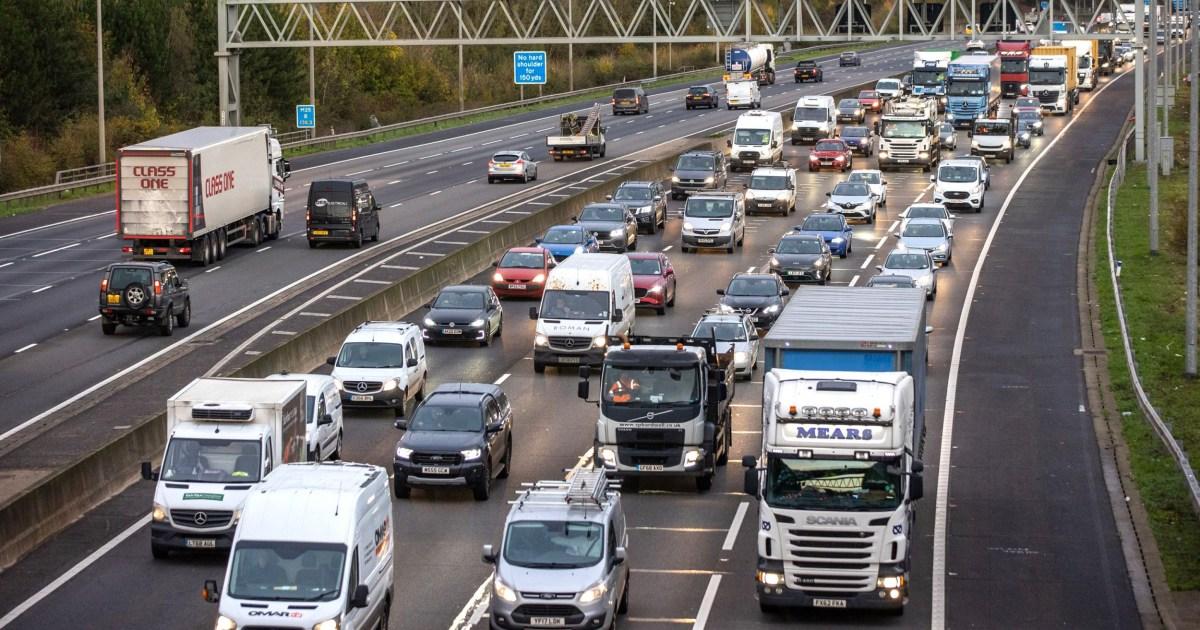
The morning commute in Essex descended into chaos as overrunning roadworks on the M25 motorway caused significant delays and frustration for motorists. The closure of a key stretch of the motorway between Junction 28 (Brentwood) and Junction 27 (M11) anticlockwise triggered a cascade of problems, snarling traffic and extending journey times. National Highways, responsible for managing England’s strategic road network, confirmed the delay, attributing it to unfinished roadworks. While their service providers were reportedly working diligently to complete the necessary tasks, the impact on commuters was undeniable, with delays of approximately 30 minutes and congestion tailing back for four miles to Junction 30. This incident highlights the vulnerability of the transportation network to unforeseen delays and the significant repercussions for those who rely on it daily.
The Ripple Effect of Road Closures: A Deeper Dive
The M25, London’s orbital motorway, serves as a vital artery for the region’s transportation system. Its closure, even for a limited period, can have far-reaching consequences. The resulting traffic jams not only cause delays but also increase fuel consumption, contribute to air pollution, and elevate stress levels for commuters. The economic impact of such disruptions can be substantial, affecting businesses, logistics, and overall productivity. The overrunning roadworks in this instance exemplify the challenges of managing complex infrastructure projects and the importance of accurate planning and timely execution. The incident also underscores the need for effective communication with the public to mitigate the impact of such disruptions.
Beyond the M25: Transportation Woes Across London
While the M25 closure dominated the headlines, other transportation issues added to the commuting woes. The Piccadilly line, a major underground line serving western London, remained closed for a third consecutive week between Rayners Lane and Uxbridge stations. The closure, attributed to "difficult track conditions," further strained the public transportation system, forcing commuters to seek alternative routes and adding to the overall burden on the network. This confluence of disruptions highlights the interconnectedness of transportation systems and the cascading effects that can arise from isolated incidents.
The Human Cost of Commuter Chaos: Stress, Frustration, and Lost Time
Beyond the tangible impacts of traffic delays and transportation disruptions lie the less quantifiable but equally significant human costs. The frustration of being stuck in traffic, the stress of missed appointments, and the lost time that could have been spent with family or on personal pursuits all contribute to a diminished quality of life. These hidden costs often go unnoticed in official reports but represent a significant burden on individuals and society as a whole. The incident serves as a reminder of the importance of investing in robust and resilient transportation systems that can withstand unforeseen challenges and minimize disruption to people’s lives.
Lessons Learned and Future Considerations: Preventing Transportation Gridlock
The M25 roadworks overrun and the ongoing Piccadilly line closure offer valuable lessons for transportation planners and policymakers. The need for accurate planning, timely execution of infrastructure projects, and effective communication with the public cannot be overstated. Furthermore, investing in alternative transportation options, promoting flexible working arrangements, and encouraging the use of public transport can help alleviate pressure on the road network and enhance the resilience of the transportation system as a whole.
The Bigger Picture: Transportation in the 21st Century
The transportation challenges faced by London commuters are not unique. Cities around the world are grappling with similar issues of congestion, aging infrastructure, and the growing demand for efficient and sustainable transportation solutions. As urban populations continue to rise, the need for innovative approaches to transportation planning and management becomes increasingly critical. The M25 incident serves as a microcosm of the broader challenges facing transportation systems in the 21st century and underscores the need for a holistic and forward-thinking approach to address them.