

The early hours of July 8th brought a devastating tragedy to the M23, turning a routine night of motorway maintenance into a scene of profound grief. Shortly before 1:00 am, a 65-year-old highways worker from Kent was struck and killed by a van near Junction 9, close to Gatwick Airport. The life of a man simply doing his job to keep our roads safe was cut short in an instant, leaving behind a family who recently received the news no loved one should ever have to hear. As the authorities work to piece together the events that led to this loss, our thoughts remain firmly with his next of kin during this incomprehensible time of mourning.
The suspect, a 38-year-old man from Croydon, was taken into custody at the scene. He is currently being held by Sussex Police on suspicion of causing death by dangerous driving and drink driving. While the wheels of the justice system have begun to turn, the incident serves as a grim and sobering reminder of the dangers faced by those who work on our motorways every day. These men and women place themselves in harm’s way to ensure our infrastructure remains operational, and the loss of one of their own in such a senseless manner has sent shockwaves through the local community and beyond.
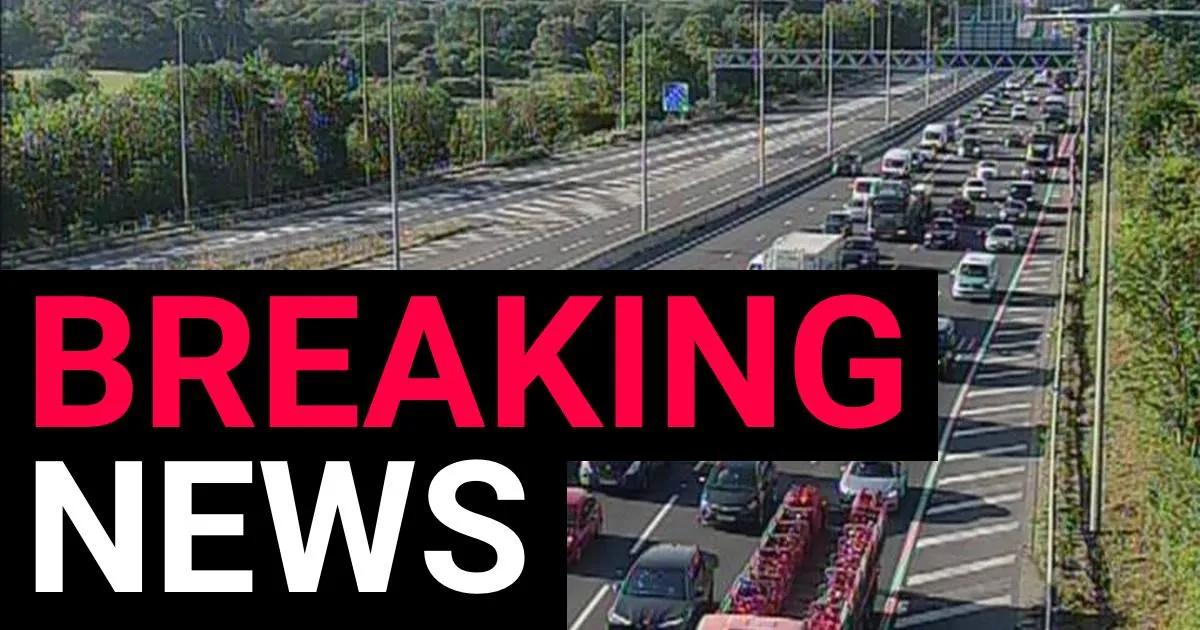
The investigation into the collision necessitated the closure of the M23 southbound between Junction 8 and Junction 10, bringing a critical artery of travel to a complete standstill for much of the day. For hours, the asphalt that usually hums with the steady rhythm of commuters and travelers was replaced by the flashing lights of emergency services and the somber silence of an active crime scene. As investigators carefully gathered evidence, the closure rippled outward, creating significant disruption for those attempting to reach Gatwick Airport, one of the nation’s busiest travel hubs.
For travelers and commuters caught in the wake of the closure, the day was defined by delays, frustration, and the difficult reality of navigating an unexpected obstacle. National Highways and airport authorities were forced to scramble, urging motorists to build extra time into their schedules and to avoid the area if possible. While the disruption was a major inconvenience—with traffic backing up past Junction 10—it remained secondary to the tragedy that triggered it. The stark reality of a fatal collision is a humbling experience for anyone on the road, reminding us that we share a fragile space where one wrong decision can shatter lives in a heartbeat.
In an effort to manage the flow of traffic, authorities implemented a complex diversion route, guiding commuters off the M25 and onto the A22 and A264. While signs marked by the “hollow diamond” symbol helped guide the way, the journey was long and tedious, forcing thousands to pass through the quiet outskirts of South Godstone and Blindley Heath. Yet, behind the logistical challenge of moving thousands of vehicles lay a more urgent plea from Sergeant Chris Ambrose: a formal request for any witnesses or anyone with dashcam footage to step forward. Even the smallest piece of information could be the key to ensuring that justice is served for the victim and his grieving family.
As the day progressed and the motorway reopened, the echoes of this incident remained. It serves as an uncomfortable call to action for every driver to be hyper-aware of road workers and the potential for danger on our highways at any time of day. We often think of our commute as simply a way to get from A to B, but this tragedy underscores that the roads are also a workplace for thousands. As we process this news, we are reminded of the inherent responsibilities we take on whenever we sit behind the wheel—to drive with caution, to remain sober, and to treat the lives of everyone on the road with the sanctity and respect they deserve.