

Paragraph 1
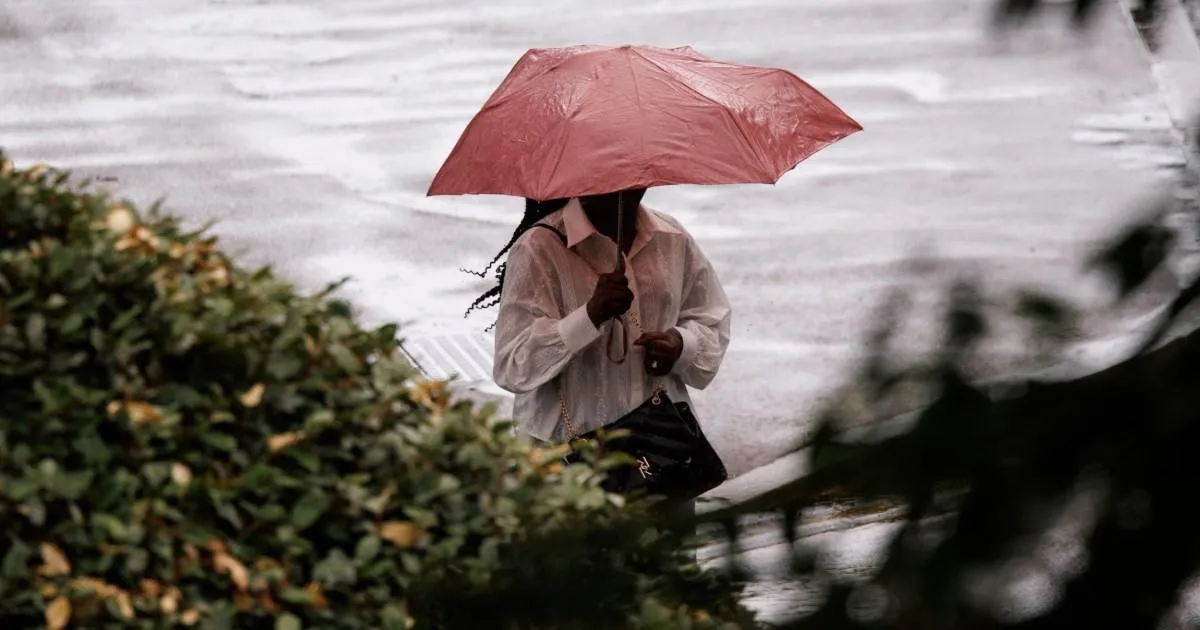
There was something almost magical about the scene across parts of London this morning. After nearly a month without rain, residents woke to wet roads, glistening pavements, and cars dotted with raindrops — a sight that would have felt utterly ordinary just a few weeks ago, but now feels like a small miracle. It was only a light shower in some spots, nothing dramatic, and certainly nothing that will undo the damage of one of the driest and hottest summers on record. But for a city that has been baking under relentless sunshine, with lawns turned brown and gardens desperate for water, the simple sight of rain on the window was enough to lift spirits. The Met Office has promised that this is just the beginning: in the coming days, parts of the country will experience what they cautiously call the “first meaningful rain for a long time.” That is a carefully phrased forecast, and it means something more than a few drops. It means the chance for parched land to drink, for reservoirs to catch a little breath, and for people to remember what a grey, damp British summer day actually feels like. Yet this is not a story of easy relief. The same forecasters warn that when rain finally arrives on bone-dry ground, it can cause problems of its own. The earth has become so hard and cracked after weeks of intense heat that water may simply run off the surface, leading to localized flooding rather than soaking gently into the soil. So even as Londoners smile at the clouds and the dampness in the air, there is an underlying tension: this rain is welcome, but it is nowhere near enough to fix a drought that has been building for months. For many people, the morning shower was a reminder of how much we take water for granted — and how quickly we miss it when it disappears.
Paragraph 2
The reality of the situation is perhaps best captured by the news that a fresh hosepipe ban has now come into force. All 1.4 million customers of Wessex Water, spread across Bath, Somerset, Dorset, and Wiltshire, will no longer be able to use a hosepipe to water their gardens, wash their cars, or fill their paddling pools. This is not a small, symbolic measure; it is the company’s first such ban in fifty years, dating all the way back to the infamous summer of 1976. For anyone who remembers that long, arid season, the comparison is striking. Wessex Water has explained that the decision was driven by the soaring demand for water during the dry weather, as well as longer-term forecasts that suggest resources need to be protected for both customers and the environment. The ban is meant to stretch the water supply as far as possible, and it reflects the sheer scale of the challenge facing the country. Across England, more than 27 million people have now been told that hosepipes are off limits in their area. That is an enormous number — more than half the population of England — and it puts the current drought into sharp perspective. We are not talking about a few parched gardens in the south; we are talking about a national water crisis that is touching every region and every community. The hosepipe ban is the kind of thing that feels like a minor inconvenience in normal times, but in this context it is a serious and necessary intervention. It means families cannot cool off in the sprinkler, keen gardeners cannot save their prized plants, and car enthusiasts must find another way to keep their vehicles clean. But it also serves as a reminder that water is not an infinite resource, and that the choices we make on ordinary summer days have consequences when the weather turns extreme. The ban may be annoying, but it is also a signal that the country is entering unfamiliar territory.
Paragraph 3
Looking ahead, the forecast offers a mixed picture. This week is expected to be wetter and cooler than anything we have seen in a long time, with conditions much closer to what we would normally expect for this time of year. The fifth heatwave of the summer has finally broken, and in its place comes a more familiar British pattern: clouds, showers, and the occasional rumble of thunder. According to Mike Silverstone, the deputy chief forecaster at the Met Office, showers are expected to arrive in the north of the country on Tuesday, particularly in the North West, before another area of rain moves into the South West by the evening. This band of rain is then likely to spread eastwards across the south, bringing the first spell of widespread rain to the areas that need it most. Thursday, he says, will be a day of heavy showers across much of the UK, and here comes the warning: some of these showers could be intense, and because the ground is so dry and hard, there is a genuine chance of surface water flooding. In other words, the rain that we have been praying for might end up pooling on roads, running off fields, and causing localised problems. It is a strange twist of weather: too dry and then suddenly too wet, all in the space of a few days. By Friday, conditions are expected to turn drier once again, and the weekend looks as though it will be reasonably settled before more rain arrives next week. So there is no long-term guarantee here. This is a brief reprieve, not a transformation. The rain will help in some ways — it will dampen the landscape, reduce the risk of wildfires, and give plants a drink — but it will not be enough to erase the water deficit that has built up over weeks of extreme heat. The ground is still thirsty, the reservoirs are still low, and the drought is still very much with us.
Paragraph 4
To understand why this rain matters so much, we have to look back at the sheer intensity of the summer. The fifth heatwave of the season brought with it the hottest day of the year, recorded at Kew Gardens in London on Thursday, when temperatures reached a sweltering 38.1 degrees Celsius. That is not just warm; that is dangerous, uncomfortable, and exhausting. For days on end, the UK sweltered under a relentless sun, with no sign of clouds and no hint of relief. The heat took a heavy toll on the landscape, turning once-green hills a brittle shade of brown and leaving rivers running low. It also created the perfect conditions for wildfires, which have ravaged parts of the country in recent weeks. Firefighters have been stretched to their limits, battling blazes on dry grass, heathland, and even in residential areas. One of the most devastating fires occurred in Stourbridge, in the West Midlands, where homes were destroyed and families lost everything. The forecast rain may bring some welcome relief to the parched land and to the emergency services who have been fighting these fires, but it is unlikely to bring an end to the widespread drought conditions that have placed severe pressure on wildlife, farmers, transport, emergency services, infrastructure, and water resources. The natural world is struggling: birds, insects, mammals, and plants have all been affected by the lack of water, and even a few days of rain will not restore everything to health. Farmers are facing difficult decisions about crops and livestock, while water companies are scrambling to manage supplies. The rain is a comfort, but it is not a cure. It will cool things down, settle the dust, and perhaps allow the landscape to begin a slow recovery, but the effects of a summer like this will linger long after the clouds pass.
Paragraph 5
The statistics behind the drought are staggering. According to Met Office data, Wisley in Surrey has recorded an incredible 61 consecutive dry days since June 17, while Heathrow in Greater London has measured 55 consecutive dry days since June 23. Those are not just short dry spells; they are historic dry streaks that have transformed the environment. Rainfall has been so scarce that the ground has become compacted, the vegetation has become tinder-dry, and the risk of fire has escalated dramatically. The National Fire Chiefs Council reported that in 2026 so far, more than 1,132 wildfires have been recorded across England and Wales — a record high for the period between January and this time of year. That number is almost unimaginable, and it represents not just fires but also the tireless work of firefighters, the heartbreak of people who have lost homes and livelihoods, and the destruction of natural habitats that will take years to recover. Several fire services have now asked the public to call 999 only in the case of genuine emergencies, a clear sign that they are being overwhelmed by calls about fires and smoke. On Friday evening, millions of people across England and Wales received a stark alert on their mobile devices warning them of a “very high risk of wildfires nationally.” That was not the kind of notification anyone expects on a summer evening, and it drove home just how serious the situation has become. The alert was a blunt reminder that this was not merely a hot summer; it was a period of extreme and sustained danger. Now, as rain finally approaches, residents in the driest areas may be forgiven for looking at the sky with a mixture of hope and anxiety. They want the rain to come, but they also know that it may bring new challenges. The hard, dry ground could cause flash flooding, and the sudden change in weather could be jarring for plants and animals that have adapted to the drought. Still, the prospect of rain is a welcome one, and the sight of wet streets in London this morning was a small but significant step in the right direction.
Paragraph 6
For ordinary people, this strange summer has been an emotional rollercoaster. There was the initial joy of sunshine, the growing frustration of the heat, the worry about wildfires, and now the relief of seeing rain clouds gathering on the horizon. But there is also, for many of us, a deeper feeling of responsibility. We have been forced to confront the reality of climate change, not as a distant abstraction but as something happening right now, in our own gardens, on our own streets, and in our own homes. The hosepipe bans are an inconvenience, but they are also a wake-up call. We have learned how precious water is, how quickly it can disappear, and how much we rely on it for everything from drinking and cooking to cleaning and watering the plants we love. When the rain comes this week, we should welcome it, enjoy the smell of wet earth, and perhaps stand outside and let it fall on our faces. But we should also remember that this is not the end of the story. The forecast shows more rain next week, and then perhaps more after that, but the long-term trend remains uncertain. We cannot simply wait for the clouds to save us; we need to change the way we use water, protect our natural resources, and prepare for future summers that may be even hotter and drier. The rain that fell on London this morning was a small gift, a hint that nature has not abandoned us. But it was also a reminder that we cannot take water for granted. Every drop counts, every careful choice matters, and every household that tries to save a little water is part of a much larger effort. This is not the end of the drought, and it is not the end of the crisis. But it is a beginning — a chance to reflect, to adapt, and to hope that the rain will come again soon, and that next time it will stay long enough to make a real difference. For now, let us enjoy the wet pavements, the damp air, and the gentle sound of raindrops on the roof. It is a beautiful thing, and we should never forget how much we need it.