


A Night of Chaos: The Deptford Inferno and Its Ripple Effects
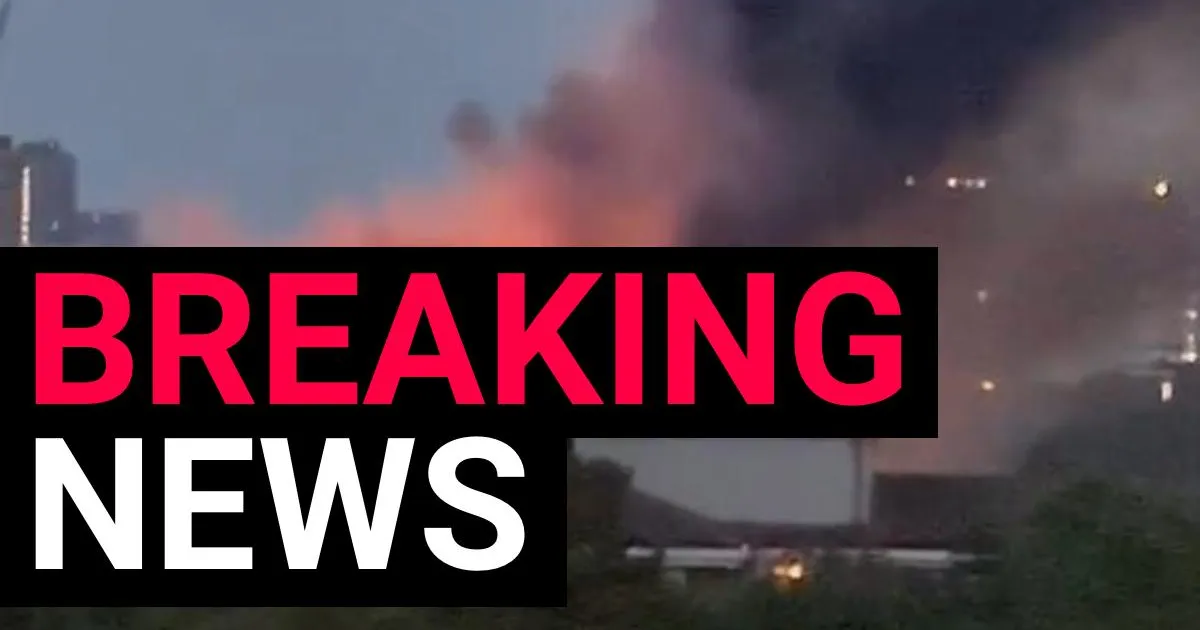
The evening of what should have been an unremarkable Thursday took a dramatic turn for residents of southeast London as an enormous fire erupted at a waste management facility in Deptford, transforming the twilight sky into an ominous canvas of swirling black smoke and threatening orange glow. The blaze, which ignited around eight o’clock in the evening, quickly escalated into a major emergency that would capture the attention of the entire capital. What began as a routine evening quickly devolved into scenes of chaos and concern as massive plumes of dark, toxic smoke began their relentless march across the London skyline, visible from as far away as Bethnal Green in the east and Thamesmead in the south. The sheer scale of the conflagration, involving an estimated fifty tonnes of household waste that had been collected and stored at the facility, created a spectacle that was both terrifying and mesmerizing, drawing the gaze of thousands of Londoners who looked up from their evening commutes, dinner tables, and living room windows to witness the unfolding disaster.
As the news of the fire spread through social media channels and local news alerts, residents in the immediate vicinity received urgent instructions to seal themselves indoors, closing all windows and doors to prevent the infiltration of potentially harmful smoke particles into their homes. The London Fire Brigade responded with remarkable speed and professionalism, dispatching fifteen fire engines and approximately one hundred firefighters to the scene, a substantial contingent that underscored the severity of the situation. These brave men and women, drawn from fire stations across the area including East Greenwich, Old Kent Road, Deptford itself, and surrounding communities, donned their protective gear and waded into the heart of the inferno, armed with hoses, thermal imaging cameras, and the kind of specialized equipment necessary to combat a blaze of this magnitude. The crackling of the flames, the hiss of water meeting fire, and the distant wail of sirens created a symphony of emergency that echoed through the streets of southeast London, serving as an auditory reminder of the danger that had come to roost in this working-class neighborhood.
For the residents of Deptford and the surrounding areas, the night became a test of patience, resilience, and community spirit as they heeded the advice of emergency services and remained indoors, watching the spectacle unfold from behind their windows with a mixture of fear, curiosity, and concern for the firefighters battling the blaze. The thick, acrid smoke that billowed from the waste facility created an otherworldly atmosphere, blotting out the stars and casting an eerie pall over the neighborhood that would persist for hours. Parents reassured frightened children, elderly residents checked on their neighbors, and the community collectively held its breath, waiting for news of the fire’s containment and hoping that no one would be hurt in the conflagration. The smell of burning waste, a pungent and unpleasant mixture of melted plastics, scorched paper, and incinerated organic matter, permeated the air, serving as a constant reminder of the danger that lurked just streets away.
The visual impact of the fire extended far beyond the immediate vicinity of the waste facility, as dramatic photographs and videos captured by bystanders and professional photographers alike began flooding social media platforms, showing the enormous column of smoke rising like a malevolent genie over the London skyline. Commuters emerging from stations in Canary Wharf, London Bridge, and New Cross were greeted by the sight of the towering smoke plume, which seemed to stretch endlessly into the evening sky, and many paused to document the scene with their smartphones, sharing images that would quickly go viral across Twitter, Instagram, and Facebook. The juxtaposition of the modern glass and steel towers of Canary Wharf against the dark, roiling smoke created a particularly striking visual contrast that captured the imagination of viewers across the country and indeed around the world, as international news outlets picked up the story and shared the dramatic imagery with their audiences.
The disruption caused by the fire extended beyond the visual and environmental impact, as Southeastern train services, a vital transportation artery for thousands of daily commuters in the region, were forced to suspend or delay operations due to the fire’s proximity to the railway line. Passengers found themselves stranded at stations, facing unexpected delays and cancellations, their evening plans thrown into disarray by an event entirely beyond their control. The train company took to social media to inform passengers of the situation, advising them to check their journeys before setting out and to expect significant disruption to their travel arrangements. For those who had already embarked on their journeys home, the news came as an unwelcome surprise, forcing them to seek alternative routes, arrange for pickups, or simply wait patiently in the hope that services would resume before too long. The economic impact of such disruptions, while difficult to quantify precisely, represents a significant cost to businesses and individuals alike, as lost productivity and delayed arrivals ripple through the local economy.
As the night wore on, the firefighters continued their relentless assault on the blaze, working in shifts to rotate tired crews and bring fresh energy to the battle against the flames. The cause of the fire remained unknown as of the initial reports, leaving investigators with the challenging task of determining how such a large quantity of waste material had been ignited. Possible explanations range from accidental causes such as spontaneous combustion of certain waste materials, electrical faults in the facility’s equipment, or even arson, though at this early stage, such speculation remains purely hypothetical. The London Fire Brigade’s investigation unit would begin their meticulous examination of the scene as soon as the fire was fully extinguished, sifting through the charred remains of the facility in search of clues that might explain how the disaster began. For the community of Deptford, the aftermath of the fire would leave lasting scars, with the environmental impact of the smoke and potential chemical releases requiring careful monitoring in the days and weeks ahead, as authorities work to assess the full extent of the damage and ensure the safety of local residents.