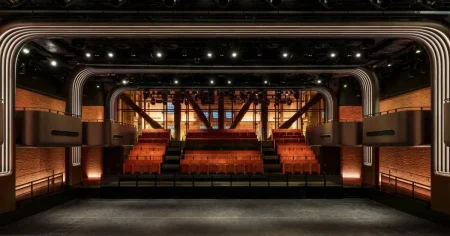



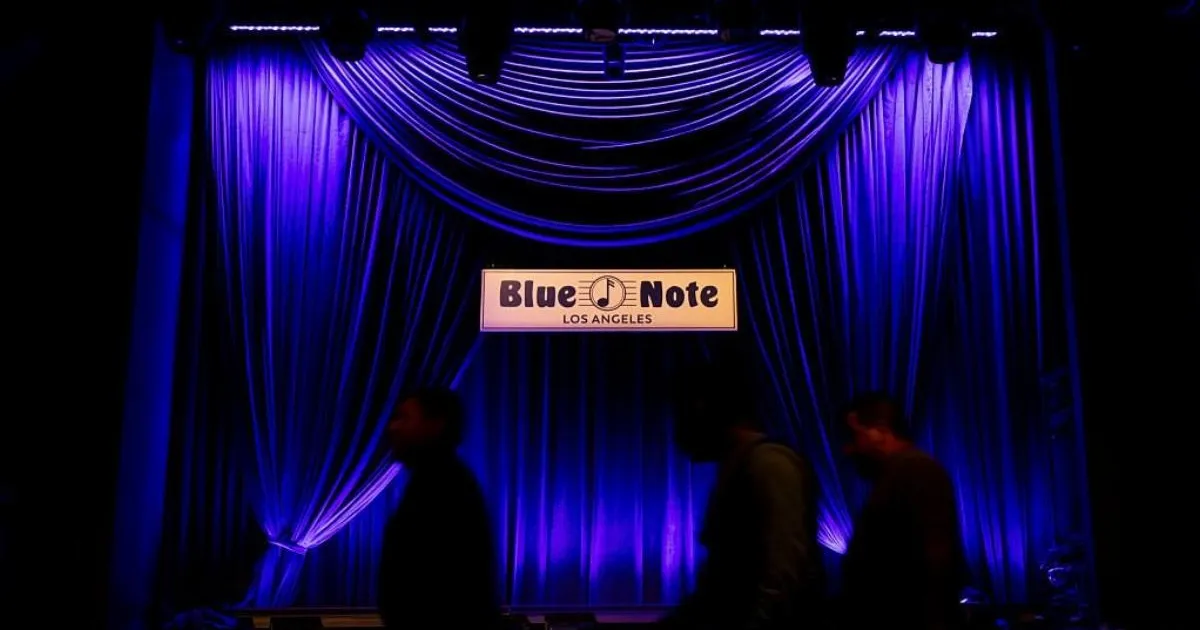
The arrival of the Blue Note Jazz Club in London’s West End is more than just a grand opening; it is a long-awaited triumph for a nightlife scene that has felt increasingly hollowed out in recent years. For those who believe the soul of a city lives in its late-night music venues, the news that this legendary institution is finally setting up shop on St Martin’s Lane on September 23 is a rare, tangible victory. Hailing from the hallowed halls of its New York namesake—a venue so iconic it practically defined the modern jazz club—the London outpost promises to inject a new layer of sophistication and rhythm into the heart of the capital. However, the path to this opening wasn’t paved with ease; it was a grueling marathon of bureaucratic battles, community pushback, and the stubborn determination required to keep live music alive in a city that is becoming increasingly difficult for the arts to inhabit.
The journey toward this September launch was stalled by a peculiar and somewhat contentious tug-of-war between the venue’s operators and local authorities. Earlier this year, the Metropolitan Police raised significant objections to the club’s proposed 1am closing time, fearing that such late hours would act as a magnet for crime and disorder. What followed was a surreal debate, punctuated by a local resident’s concerns that jazz enthusiasts—presumably a demographic more prone to quiet contemplation than rowdy behavior—might find themselves “disorientated” when stepping out into the chilly night air. The logic was that these patrons would be easy targets for opportunistic criminals lurking in Soho. While public safety is undeniably paramount, the argument felt to many like an overly cautious attempt to sanitize the very heartbeat of London’s after-dark culture, forcing a world-class jazz institution to justify why a genre defined by late-night improvisation requires a schedule that reflects its art form.
Standing their ground, the Blue Note operators presented a compelling argument that transcended their own bottom line: they insisted that a jazz club simply cannot exist without the luxury of late hours. They framed the debate not as a business dispute, but as a defense of “London’s cultural fabric.” Their rhetoric touched on a deep-seated anxiety shared by musicians, fans, and venue owners alike—the fear that if new, prestigious venues aren’t supported, the ecosystem for live performance will continue to wither. By highlighting that 30 grassroots music venues shuttered their doors in the last year alone, resulting in the loss of 6,000 jobs, the Blue Note team tapped into a grim reality. The city’s musical lifeblood is currently being squeezed by rising costs and a lack of institutional support, and their persistence served as a stand-in for every small, independent stage struggling to keep the lights on in the post-pandemic era.
The decline of London’s live music scene is not a new story, but it is a tragic one. Following the forced silence of the Covid-19 lockdowns, the subsequent cost-of-living crisis hit the entertainment sector like a wrecking ball. The Music Venue Trust has been working overtime to prevent total collapse, noting that roughly a quarter of the 810 venues they track across the UK had to reach out for emergency intervention in 2024 just to stay afloat. These spaces are not just businesses; they are the training grounds for the next generation of talent and the neighborhood living rooms that give London its unique character. Every time one of these venues vanishes, replaced by sterile office space or luxury apartments, the city loses a piece of its personality, making the survival and arrival of a venue like the Blue Note feel like a crucial act of cultural preservation.
There is a distinct human element to this story—the collision between a vibrant, nocturnal arts culture and the practicalities of modern urban life. We live in an era where London is being pushed toward an earlier curfew, where the “nightlife” is increasingly regulated to the point of extinction. Yet, the resilience of the Blue Note project reminds us that citizens still crave the magic of a dimly lit room, the sound of a double bass, and the shared, unscripted experience of a live set after the rest of the city has gone to bed. By securing their 1am license, the club didn’t just win a permit; they secured a future for a specific kind of late-night joy that is becoming an endangered species. It is a reminder that cities thrive on the edges of the day, and that the “disorientation” of a jazz lover exiting a show is a small price to pay for the enrichment of the human spirit.
Ultimately, the opening of the Blue Note is a beacon of hope for the remaining 179 grassroots venues in London. It is a signal that even in a climate of austerity and skepticism, the cultural value of live music can still win out. As the doors finally swing open this September, it will be a celebration not just of jazz, but of the perseverance required to keep London a city that pulses with life long after dark. We should view this not as a victory for a single business, but as a reprieve for the entire arts community. If we want our cities to remain places worth living in, we must protect the spaces that allow us to gather, listen, and feel—even if it means staying out just a little bit later than the authorities might prefer.