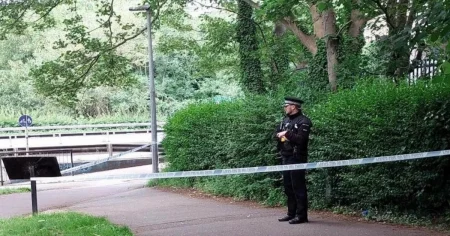



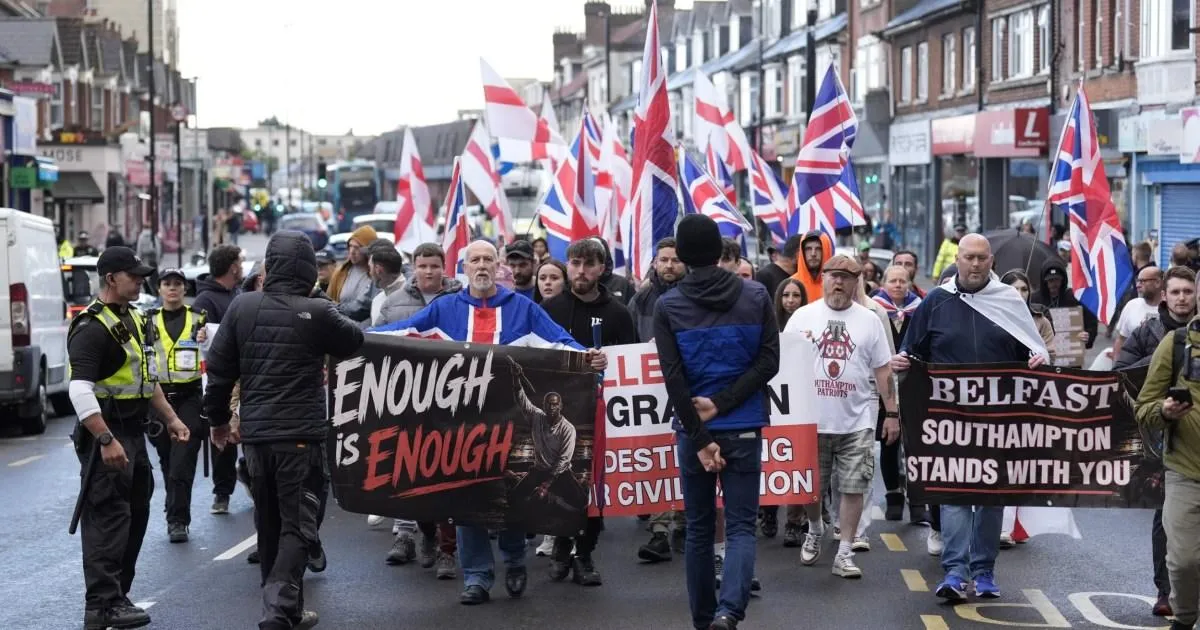
The recent eruption of violence across several neighborhoods in Belfast following a traumatic knife attack has left the community reeling, shifting the focus from the healing process to the chaos of rioting. In the immediate aftermath of Monday’s incident, Northern Ireland’s Justice Minister, Naomi Long, took a firm and urgent stance to address the escalating unrest. Standing alongside the First Minister, the deputy First Minister, and the Chief Constable of the Police Service of Northern Ireland (PSNI), Minister Long issued a unified call for peace, emphasizing that the primary objective must be to maintain stability and support the victims rather than descending into retaliatory friction.
However, despite this high-level plea for restraint, it quickly became apparent that a segment of the population was determined to bypass calls for reason in favor of confrontation. Minister Long expressed profound disappointment, noting that the voices of authority were drowned out by those intent on causing destruction. By choosing to take to the streets, these individuals have actively undermined the very communities they ostensibly claim to be defending. This disconnect between their stated motivations and their destructive actions is a recurring pattern that continues to stall the social progress and stability that the people of Northern Ireland have worked so hard to achieve over the past few decades.
The Minister’s remarks pierced through the rhetoric of the rioters, specifically calling out their manipulative tactics. She highlighted that these groups are weaponizing genuine fears and valid emotions—such as the pain and anxiety sparked by the initial violent attack—to further their own misguided agendas. By manipulating public sentiment, these “masked thugs,” as she described them, are not seeking justice or safety; rather, they are exploiting a fragile moment of community vulnerability to stir up hostility. This cynical use of public distress is a corrosive force, turning neighbors against one another and turning the local streets into sites of intimidation rather than places of support.
There is a powerful clarity in Minister Long’s condemnation of the violence: she was unequivocal in stating that there is no legitimate place for thugs to masquerade as protectors. Using a mask to hide one’s identity while committing acts of vandalism and intimidation is fundamentally at odds with the values of a transparent, democratic society. The Minister argued that claiming these actions are carried out for the “good of Northern Ireland” is entirely disingenuous. In reality, such behavior serves only to isolate these communities from the wider peace process and invites unnecessary chaos into areas that are already struggling to cope with the aftermath of a serious criminal incident.
While the emotional impact of the stabbing is undeniable, the Minister urged the public to recognize the difference between mourning or responding to a tragedy and falling into the trap of hatred. She acknowledged that the concerns felt by local residents following the knife attack are not only valid but deeply felt, representing a sincere reaction to a grievous event. Yet, moving from trauma to rage provides no resolution. By allowing streets to be overtaken by violence, the protestors have diverted attention away from the support that victims and their families deserve, effectively allowing the legacy of the initial attack to be replaced by a fresh wave of instability.
Ultimately, Naomi Long’s message was one of moral resilience: hate cannot be permitted to determine the future of Northern Ireland. The challenge now facing the region is to ensure that the desire for safety and security does not manifest as a contagion of lawlessness. By differentiating between those who seek to heal and those who seek to destroy, the government and the community must find a way to address the underlying tensions without sacrificing their collective peace. Ensuring that justice is served in the legal system, rather than through vigilante intimidation, remains the only viable path to protecting the spirit and the safety of the people living in these neighborhoods.