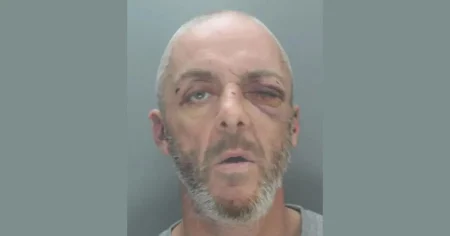



The sentencing of Robert Bush, the former director of Legacy Independent Funeral Directors, marks a harrowing conclusion to one of the most disturbing chapters in recent memory. For over a decade, Bush exploited his position of trust, treating the deceased not with the dignity required of his profession, but as commodities in a scheme driven by insatiable greed. The revelation of his crimes in early 2024—when police discovered bodies, including that of a stillborn baby, in states of decomposition at his Hull premises—exposed a reality so grotesque that it has left an entire community in a state of profound shock and grief.
For many, the most devastating aspect of this case was the systematic deception regarding cremated remains. Mothers who had cherished urns or commissioned bespoke memorial jewellery to keep their babies close were confronted with the soul-shattering truth: the contents they held were not their children; in some instances, they were the ashes of strangers or entirely non-human. The court heard testimony from over 200 victims, many of whom described their lives as essentially shattered. The betrayal was not merely financial; it was a psychological trauma that has robbed these families of the ability to find closure or peace, permanently tainting their most sacred memories.
The scale of Bush’s dishonesty was, as the judge noted, “industrial.” While he pocketed thousands for funeral services and charity donations, he bypassed basic health and safety, leaving bodies unrefrigerated and reusing coffins to maximize his own profits. His lifestyle during this period was fueled by these exploits, with tens of thousands of pounds spent on luxury holidays, motorcycle racing, and retail indulgences. While he vacationed in Arizona and visited high-end restaurants, the remains of the people entrusted to his care were left in paper bags or strewn across office floors.
Throughout the sentencing at Hull Crown Court, Bush remained largely impassive, a stark contrast to the palpable agony filling the room. Victims stood before him to provide impact statements, describing the feeling of being “robbed of identity” and left with the haunting uncertainty of not knowing where their loved ones might truly be. For families like the Beverleys and the Ness family, the discovery that their tiny babies had been left neglected for months or years in the very place they turned to for support, has created a lifelong wound that no legal sentence can truly heal.
Defense counsel acknowledged that Bush is widely viewed as a “pariah” and offered an apology on his behalf, though the sincerity of such words has been roundly dismissed by those who suffered most. Justice Hilliard, overseeing the 20-year sentence, emphasized that the tragedy was exacerbated by a complete lack of external oversight. He pointed out that even a single, routine inspection could have halted the abuse years ago. This failure of the regulatory system has now sparked urgent national calls from politicians and grieving families alike to ensure that funeral homes are held to the highest possible standards to prevent any repeat of these nightmarish events.
Ultimately, this case serves as a dark reflection on the extreme dangers of unchecked power within a sensitive industry. As Robert Bush begins a 20-year prison term, the families he devastated are left to navigate a permanent state of injustice. The “horror scene” discovered at his business will remain etched in the collective memory of the public, serving as a bleak reminder of the necessity of transparency and compassion in the final service we pay to our loved ones. For the families of Legacy’s victims, the legal process may be over, but the search for truth and the work of healing from such a profound, systemic betrayal has only just begun.