
The tragic passing of fourteen-year-old Lilly Anne Jones has left the close-knit community of Blaina, South Wales, in a state of profound shock and mourning. Lilly, a young girl whose life was cut tragically short, disappeared from her home on the evening of June 20, sparking an anxious search that ended in heartbreak. Two days later, on June 22, the quiet surroundings of Duffryn Park—near the local bowls club—became the site of a devastating discovery when her body was found in a nearby wooded area. The realization that such a young life had been lost under circumstances so violent has cast a long, somber shadow over the local area.
During a formal inquest opening at Gwent Coroner’s Court, the chilling details of the investigation were brought to light. Senior coroner Caroline Saunders confirmed that a post-mortem examination, conducted by Dr. Richard Jones, identified the provisional cause of death as multiple stab wounds to the chest and neck. The court heard that Lilly was located shortly after 10:00 p.m. and was sadly pronounced deceased just forty-five minutes later. This clinical breakdown of events serves as a painful reminder of the brutality behind the tragedy, prompting the coroner to adjourn the inquest until April 2027 while further necessary inquiries are carried out.
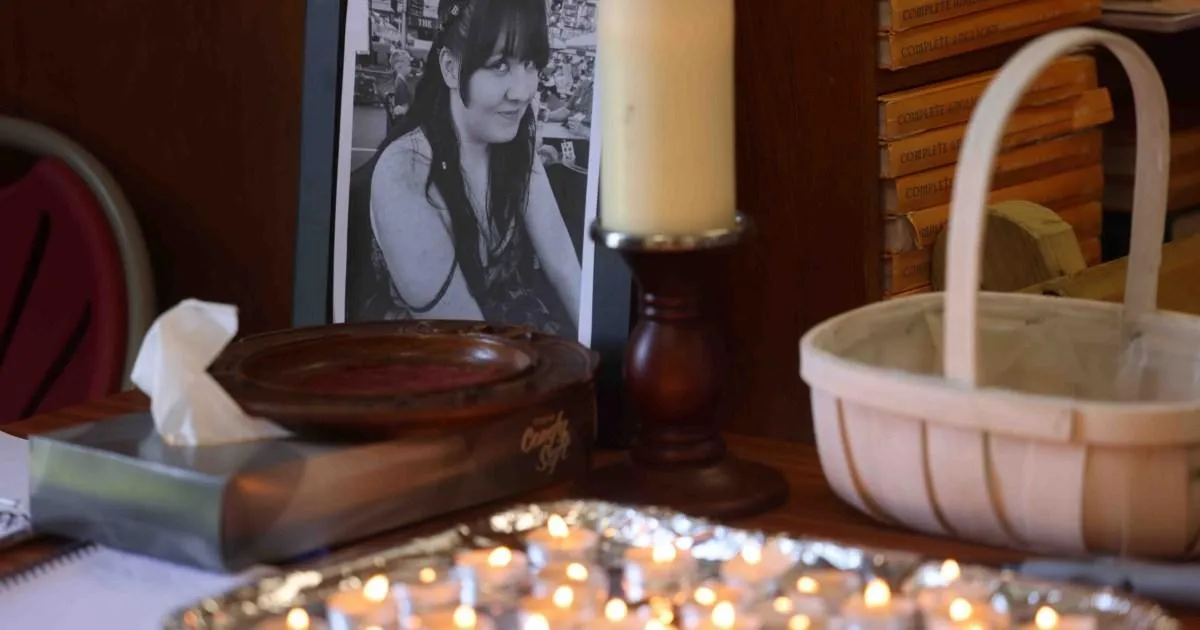
The ripple effect of Lilly’s death has been felt deeply by neighbors and strangers alike, many of whom have turned to public displays of grief to process the loss. In the days following the discovery of her body, the entrance to the park became a sanctuary of reflection, filled with floral tributes, candles, and messages of sorrow. For a community that likely viewed these familiar park pathways as a safe space for their children, the presence of police cordons and the stark reality of a crime scene have been deeply unsettling. These tributes are more than just flowers; they are expressions of a collective hope that a girl with a promising future might be remembered for the light she brought to those who knew her.
Legal proceedings are now moving forward as the justice system attempts to address the horrific nature of the crime. A 14-year-old boy, whose identity remains protected by legal anonymity, has been charged with Lilly’s murder. He appeared at Cardiff Crown Court in late June, where the gravity of the situation was underscored by the scheduling of a four-week trial, set to commence on November 23. Until that time, the youth has been remanded into custody, leaving both the community and the families involved to wait in a state of suspended animation as the legal process unfolds.
The timeline leading up to the tragedy highlights how quickly a normal evening can take a terrifying turn. Lilly was last seen on the High Street in Blaina at approximately 6:50 p.m. on June 20. The gap between that sighting and her discovery two days later represents a period of agonizing uncertainty for her loved ones. The fact that the suspect is also a youth—a peer in the same community—has added a complex, gut-wrenching layer to the tragedy, leaving many to grapple with the uncomfortable, underlying questions about what could lead to such an irredeemable act of violence.
As the town of Blaina attempts to navigate the long road to healing, the memory of Lilly Anne Jones remains at the forefront of their thoughts. A young life with endless potential has been extinguished, leaving behind a void that no court verdict will ever truly fill for her family and friends. While the legal system focuses its attention on the trial and the specific details of the murder charge, the people of the Blaenau Gwent area continue to mourn a girl whose presence was stolen far too soon. Ultimately, the story of Lilly Anne Jones serves as a painful, sobering reminder of the fragility of life and the devastating, irreversible impact of violence on a small, interconnected community.