

London Bus Strikes Disrupt Travel Across North London and Essex
Commuters across north London and Essex are facing significant travel disruptions this week as bus drivers stage a series of strike actions over working conditions during the summer heatwave. The walkout, which began early this morning at 4am, will continue until 4:30am on Friday, affecting dozens of routes across the Transport for London network. This industrial action represents the latest development in an ongoing dispute between Arriva North London and the Unite union, which represents thousands of bus drivers who have raised serious concerns about the extreme temperatures inside their vehicles. With the capital experiencing some of its hottest weather on record this summer, including the highest temperatures of the year, drivers have become increasingly vocal about the dangerous conditions they face on a daily basis. The situation has escalated to the point where normal bus services have been thrown into chaos, leaving passengers scrambling to find alternative transportation and forcing many to seek out other options for their daily commutes.
The root of this industrial dispute lies in the working conditions that bus drivers have endured throughout the summer months. Unite the union, which represents thousands of bus drivers across the capital, has accused Arriva North London of failing to respond adequately to complaints about the extreme heat inside vehicle cabs. According to the union, many drivers have suffered from heat exhaustion, heat stroke, and dehydration while working during the recent heatwaves, which saw temperatures soar to nearly 40 degrees Celsius. The union has highlighted that the cooling systems installed in most London buses only reduce temperatures by a few degrees, proving insufficient during the intense summer heat. Cab temperatures have reportedly reached 40 degrees during the latest hot spells, creating conditions that the union describes as dangerous and unacceptable for workers. This situation has been further compounded by the fatigue that inevitably results from working in such extreme conditions, raising serious concerns about both driver welfare and public safety on London’s busy roads.
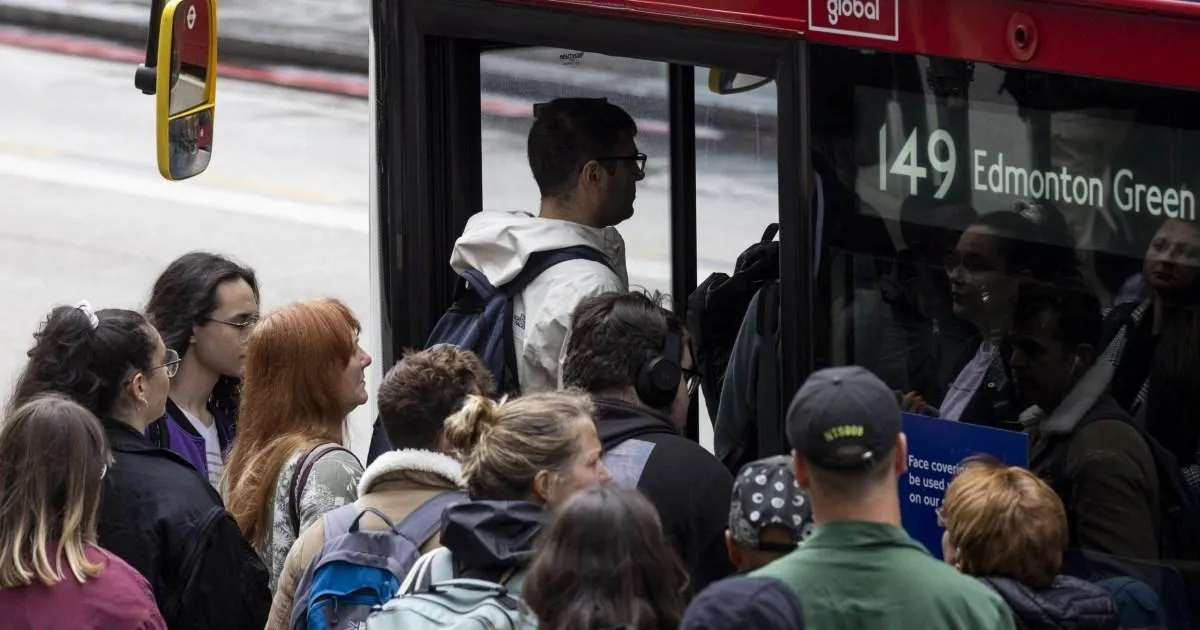
The scale of the disruption is substantial, with a total of 42 routes affected by the strike action, including two Superloop routes and four night bus services. The affected garages include Barking, Edmonton, Enfield, Grays, Palmers Green, Stamford Hill, Tottenham, and Wood Green, spanning a wide geographical area across north London and parts of Essex. The impacted routes serve numerous key destinations throughout the capital, connecting residential areas with central London and important transport hubs. Routes such as the 29 between Wood Green and Trafalgar Square, the 149 between Edmonton Green and London Bridge, and the 243 between Wood Green and Waterloo are among those affected, representing vital links for thousands of daily commuters. TfL has issued a stark warning that passengers should expect “little or no service” on these routes and should anticipate that other local bus routes, as well as Tube and rail services, may be significantly busier than usual as displaced passengers seek alternative travel options.
The disruption extends beyond this week, with additional strike dates already announced between now and October. Following last week’s strikes on August 14 and this week’s action between August 18 and 21, Arriva has confirmed further walkouts scheduled for August 25 to 28, September 4 to 5, September 7 to 8, September 18 to 19, September 21 to 22, and various dates throughout October. This prolonged period of industrial action suggests that the dispute is far from being resolved and that passengers may face ongoing uncertainty for weeks to come. Of particular concern is the fact that some of these bus strikes coincide with planned closures on the Piccadilly line, which is undergoing essential upgrade work for new trains. The Tube line will be closed between August 18 and 20, August 25 and 27, September 18 and 20, and October 16 and 18, all periods when bus strikes are also scheduled to take place. This overlap will create significant challenges for passengers who rely on both services and will likely result in severe congestion at alternative transport hubs.
The response from various stakeholders has been mixed, with strong opinions expressed on both sides of the dispute. Unite general secretary Sharon Graham has been particularly vocal in her criticism of Arriva, stating that drivers have repeatedly complained about dangerous working conditions without receiving an adequate response. She accused the company of prioritising greed over the welfare of its workers and the safety of the general public, emphasising that a profitable company such as Arriva could easily invest in improving conditions. London mayor Sadiq Khan has also weighed in on the matter, expressing his support for drivers and stating that they should not be expected to work in conditions that are too hot or unsafe. He revealed that he has given TfL permission and instructed bus operators that drivers must not operate vehicles when cabin temperatures become dangerously high. Meanwhile, Arriva has defended its position, with managing director Wasim Mohammed insisting that the company takes driver welfare seriously and has introduced both short-term measures and longer-term investments to address the heat issue, including cab air conditioning upgrades and investment in new fleet vehicles.
As the dispute continues, the human impact of this industrial action becomes increasingly apparent. Passengers across north London and Essex are facing significant challenges in their daily commutes, with many forced to find alternative routes or allow considerably more time for their journeys. The situation is particularly difficult for those with limited mobility or those who rely on specific bus routes to access essential services such as healthcare, education, and employment. For the drivers themselves, the strike represents a difficult decision between prioritising their health and safety or maintaining service for the passengers who depend on them. The ongoing nature of the dispute, with strikes scheduled well into October, suggests that both parties remain firmly entrenched in their positions. However, Arriva has expressed willingness to enter into discussions with Unite to find a resolution that could avoid further disruption. TfL, while apologising for the inconvenience caused, has encouraged both parties to find a solution while advising passengers to plan ahead and allow extra time for their journeys during this period of industrial action.