

# Wildfire Devastation in Stourbridge: A Community’s Fight for Answers
## Understanding What Happened That Fateful August Day
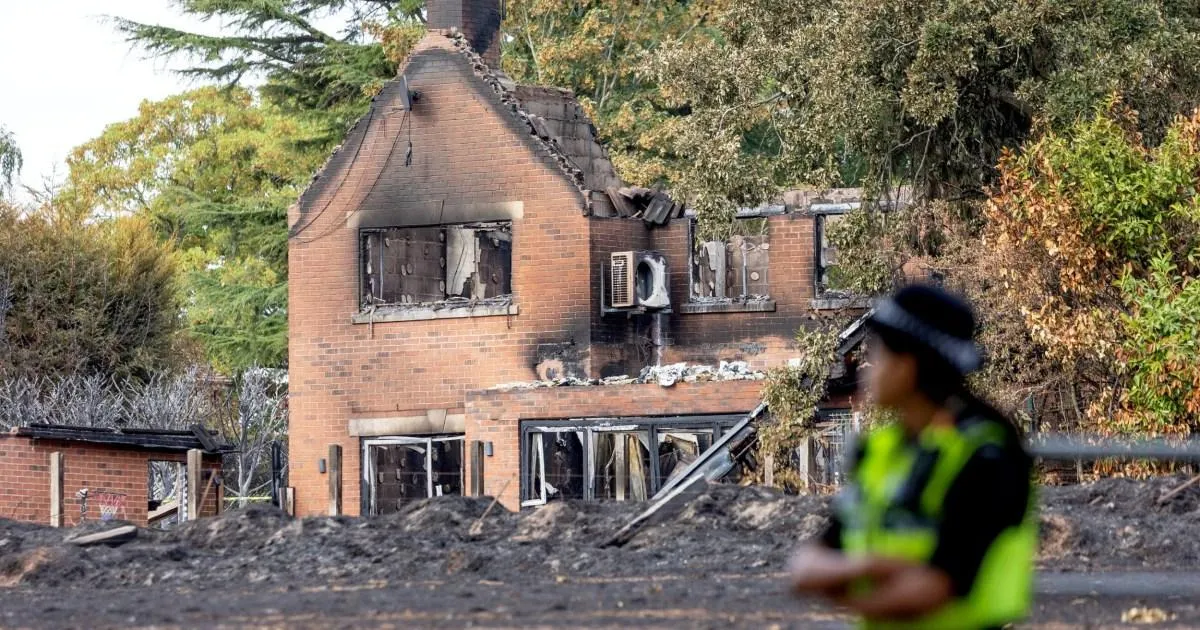
The summer of 2024 will forever be etched in the memory of Stourbridge residents as the day their world turned to ash. What began as seemingly ordinary agricultural work in a field would soon escalate into a terrifying inferno that consumed homes, devastated livelihoods, and left a community scrambling for answers. West Midlands Fire Service has now confirmed that the two devastating fires that ripped through the area on August 13 were triggered entirely by accident, sparked by farming equipment operating in the fields under extreme weather conditions. The confirmation brings a bittersweet resolution to questions that had plagued residents since the first flames appeared on the horizon, though it does little to diminish the profound sense of loss that continues to linger throughout the neighborhood.
The meticulous investigation conducted by fire specialists pieced together the tragic sequence of events, revealing that agricultural machinery had been actively used in the immediate vicinity of both ignition points just moments before the first reports of fire came in. This discovery eliminated any possibility of arson, offering some comfort to a community that had feared the worst about why their homes had been targeted. Yet it simultaneously highlighted the precarious nature of rural life, where the very tools meant to sustain and cultivate the land can become instruments of destruction under the right conditions.
For the nineteen families who lost their homes to the rapidly spreading flames, the confirmation of accidental causes provides closure of a sort, though the practical realities of rebuilding remain daunting. The investigation’s findings underscore how quickly ordinary circumstances can transform into extraordinary tragedy, particularly when nature’s fury meets human infrastructure in the most unexpected ways.
## The Human Toll and Community Response
Chief Fire Officer Simon Tuhill has been the public face of compassion throughout this ordeal, offering words that carry the weight of genuine empathy while addressing practical concerns. His statement, “Our thoughts remain with everyone affected, whether directly or indirectly, by events on 13 August in Stourbridge and beyond,” speaks to the wide-reaching impact of the disaster that extends far beyond the immediate blast radius of the flames. This acknowledgment of the broader community trauma demonstrates an understanding that disasters of this magnitude leave psychological scars that persist long after the physical destruction has been addressed.
Tuhill’s subsequent remarks about residents facing the daunting task of rebuilding their lives revealed the harsh reality that awaits those whose homes were destroyed. “Many people in Stourbridge face having to rebuild homes and lives and, understandably, have questions as part of that process,” he noted, acknowledging both the tangible and intangible losses suffered by families who watched years of memories and hard work disappear in moments. His commitment to transparency throughout the investigation reflects an understanding that honesty, even when painful, serves as the foundation for community healing.
The families who lost everything now face the formidable challenge of navigating insurance claims, temporary housing arrangements, and the emotionally draining process of deciding whether to rebuild on land that witnessed such devastation. The fire service’s recognition that this information will not “bring back homes, livelihoods or cherished memories” demonstrates refreshing candor about the limitations of official responses to tragedy, even as agencies work diligently to provide support.
## Responding to a Nation Under Threat
The Stourbridge incident served as a stark wake-up call for the entire nation, prompting unprecedented responses from both government officials and emergency services to address a growing wildfire threat. In a development that underscored the seriousness of the situation, officials implemented a temporary ban on disposable barbecues, a seemingly small measure that reflected broader concerns about fire safety during a period of extreme environmental stress. The public instruction to avoid “anything that could spark a fire, including barbecues, campfires, and fireworks” represented a comprehensive approach to risk reduction during peak danger periods.
Prime Minister Andy Burnham’s characterization of Britain as a “tinderbox” due to the changing climate brought the reality of environmental transformation into sharp focus, acknowledging that traditional assumptions about British weather patterns no longer hold. This official recognition of climate change’s role in creating conditions conducive to wildfires marked a significant shift in public discourse, moving beyond abstract environmental discussions to concrete safety implications for citizens. The deployment of 200 military personnel from specialized regiments, including assistance from the Queen’s Own Gurkha Logistic Regiment and the 22 Engineer Regiment, demonstrated the severity of the threat and the need for resources beyond what civilian emergency services could provide.
The collaborative effort between military and civilian personnel showcased the strength of coordinated emergency response systems, even as it highlighted the unprecedented nature of the challenges facing the nation. This mobilization represented one of the most significant civil emergency operations in recent British history, signaling that wildfires had become a seasonal threat requiring the same seriousness as more traditional natural disasters.
## Voices from the Ground
Local farmer testimony provided crucial context for understanding how such a catastrophic event could unfold from seemingly routine agricultural activities. One farmer’s observation that “Britain’s drought-like conditions over summer mean even a stone caught in equipment is enough to ignite a wildfire” captured the terrifying fragility of the situation perfectly. This firsthand perspective illuminated how the combination of prolonged dry weather, parched vegetation, and machinery operating in fields created conditions where the most minor spark could transform into an uncontrollable blaze, regardless of the best intentions of those working the land.
The scale of the alarm generated by the Stourbridge fires reverberated across the entire nation, with millions of people in England and Wales receiving emergency alerts on their mobile devices warning of “very high risk of wildfires nationally.” For many, this represented the first time they had experienced such direct communication from authorities about immediate environmental threats, marking a new era in public safety messaging. The widespread nature of these alerts reflected the genuine concern among officials that conditions elsewhere in the country could produce similar tragedies if proper precautions were not taken.
These visible demonstrations of concern from official channels helped raise awareness about fire safety during periods of extreme weather, though they also raised questions about whether existing infrastructure and preparedness measures were adequate for the challenges posed by a changing climate.
## Acknowledging Regional Impact and Moving Forward
While the national implications of the fires received significant attention, it was never forgotten that the devastation occurred in specific communities where real people faced real losses. The fires in the Stourbridge area were part of a broader pattern of wildfires that affected various regions across the country during that challenging summer, each leaving its own trail of destruction and heartbreak. Emergency services worked tirelessly to contain multiple simultaneous incidents, stretching resources thin and requiring unprecedented coordination between different agencies and jurisdictions.
The connection to other tragic incidents, including separate house fires elsewhere in the region, painted a picture of a country under siege from multiple directions during this period of environmental stress. These parallel tragedies served as grim reminders that fire does not discriminate between urban, suburban, or rural environments, and that preparedness must extend to all communities regardless of their location or demographic makeup.
The Stourbridge experience has become a case study in how communities can come together in the face of overwhelming adversity, with neighbors supporting neighbors, local businesses offering assistance, and volunteers dedicating countless hours to helping those most affected. This spirit of solidarity represents the silver lining in what remains an otherwise tragic story, demonstrating that even in the darkest moments, human connections provide the strength needed to persevere and eventually rebuild.
## Lessons Learned and Looking Toward the Future
As the smoke has cleared and investigations have concluded, the focus has shifted toward prevention, preparation, and long-term recovery. The lessons learned from Stourbridge and similar incidents during that perilous summer will undoubtedly influence future policies regarding agricultural practices during high-risk periods, land management strategies, and the allocation of emergency response resources. The recognition that ordinary activities can become extraordinary dangers under certain environmental conditions will require thoughtful responses that balance practical needs with prudent safety considerations.
The psychological impact of the fires will continue to affect survivors for years to come, with many experiencing anxiety, depression, and post-traumatic stress in the aftermath of their ordeal. Mental health support services have recognized the need for long-term assistance for those affected, understanding that healing from such traumatic events takes time and cannot be rushed or forced. The community’s resilience has been tested in ways that no one could have anticipated, yet the determination to move forward remains palpable among those who lost the most.
Chief Fire Officer Tuhill’s concluding remarks about continuing investigations and ongoing support reflect an understanding that the fire service’s responsibility extends far beyond extinguishing flames and conducting investigations. The commitment to helping communities “understand what happened on that exceptionally hot and challenging day” demonstrates that true emergency response includes facilitating comprehension and closure, not merely addressing physical threats. As Stourbridge slowly recovers and rebuilds, the lessons learned from this devastating event will serve as a foundation for building more resilient communities capable of facing whatever challenges the future may hold, armed with the knowledge and experience gained from surviving this heartbreaking chapter in the town’s history.