



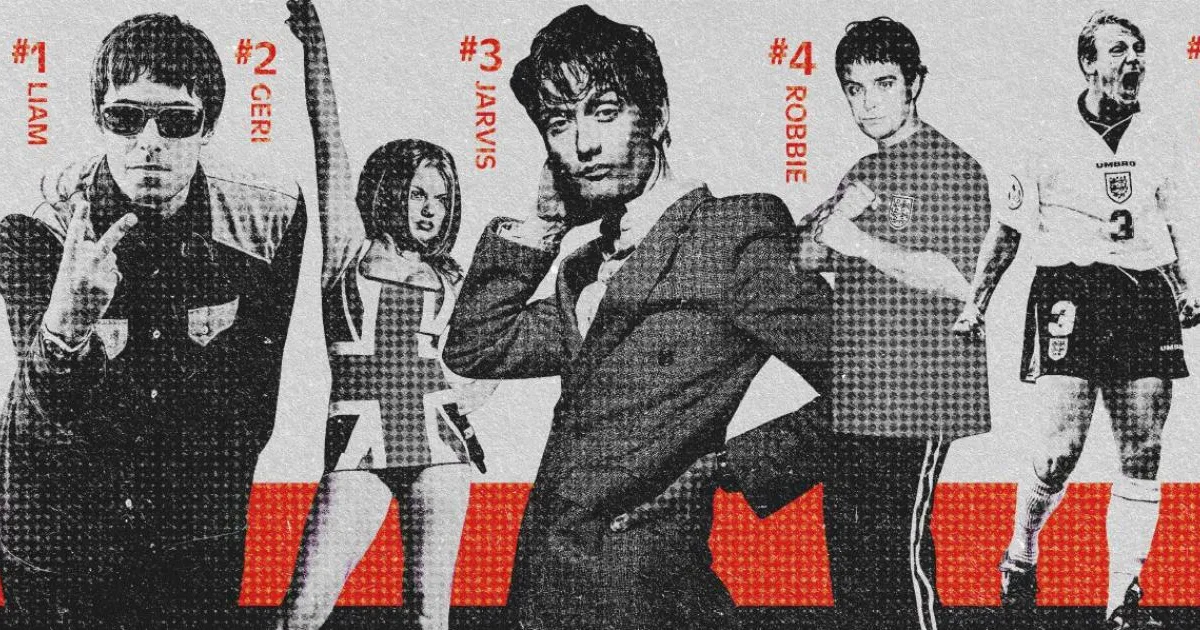
In the mid-90s, Britain was operating with a frenetic, unfiltered energy that feels almost cinematic in hindsight. To look back at 1996 is to witness a cultural collision where football, pop music, and politics merged into a single, vibrant national identity. Former Sun showbiz editor Dominic Mohan, who found himself with a ringside seat to this whirlwind, argues in his new book 1996: My Backstage Pass to the Wildest Year of Britain’s Wildest Decade that this was not merely a year, but the undisputed peak of the decade. It was a time when Oasis could fill Knebworth, the Spice Girls were redefining the global sound of pop, and a raw sense of optimism was permeating everything from the arts to the cabinet office.
The beauty of 1996 lay in its glorious lack of digital boundaries. It was a pre-smartphone era where memories weren’t curated for social media, but lived in real-time. Pubs were the heart of the community, jukeboxes dictated the soundtrack of our lives, and tabloid newspapers were the primary gatekeepers of culture. Because of this, public figures felt remarkably tangible. You could wander into a Camden pub and find yourself sharing space with members of Blur or Pulp, or see a footballer like Stuart Pearce celebrating a victory with the same unbridled passion as a fan in the terraces. There was a refreshing accessibility to fame that has since been suffocated by the protective barriers of modern public relations and the illusion of connection provided by social media.
Mohan’s account highlights how the year functioned as a series of constant cultural tremors. From the iconic moment Jarvis Cocker stormed the stage during Michael Jackson’s Brit Awards performance—a working-class hero taking on the spectacle of American pop—to the rise of artistic disruptors like Damien Hirst and Tracy Emin, the status quo was being dismantled. Parallel to this, we saw the birth of “Cool Britannia,” bolstered by a Labour party under Tony Blair that masterfully courted the rock and roll generation. It was a time of excess, evidenced by the staggering £250,000 bar bill at the Knebworth VIP tent, yet it was balanced by a genuine sense of national joy and inclusion, particularly regarding the meteoric rise of the Spice Girls, who changed the way a generation of young girls saw themselves.
Football, unsurprisingly, provided the ultimate backdrop for this national madness. Euro 96 serves as the perfect lens through which to view the era’s highs and lows, balancing the euphoria of Stuart Pearce’s penalty redemption against the heartbreaking sorrow of Gareth Southgate’s miss against Germany. Mohan recounts a particularly surreal weekend that encapsulated the spirit of the age: following a hard-fought England match, he found himself in a VIP area at a Sex Pistols concert. There, amidst the chaos, were Johnny Depp, Kate Moss, Liam Gallagher, and, remarkably, Gareth Southgate and Stuart Pearce, relaxing after being given the day off by their manager. It was a singular moment where the worlds of music and sport ceased to be separate universes.
When reflecting on the legacy of 1996, it is easy to view it through rose-tinted glasses, but the evidence of its impact remains undeniable. The year fostered an environment where art, music, and fashion were not just hobbies, but essential components of identity. The Spice Girls provided a platform for racial and gender empowerment that resonates to this day, while the musical homecoming of Oasis at Maine Road acted as a coronation for a city and its culture. It was a time when the gap between the celebrity and the civilian felt bridgeable, fostered by a collective belief that something truly exciting was happening on every street corner.
Ultimately, Dominic Mohan suggests that 1996 was the “greatest year” because it was the last chapter of a more authentic, chaotic version of fame. The digital revolution has undoubtedly brought us closer in terms of information, but it has distanced us in terms of genuine, unpredictable human interaction. As we look back, 1996 serves as a reminder of what happens when a country leans into its own eccentricity, optimism, and raw creativity. It was a year where you could go from a hungover morning to a legendary night out, fueled by triple whiskeys and the unspoken knowledge that, for one fleeting moment, everything in Britain felt exactly like it was supposed to be.