
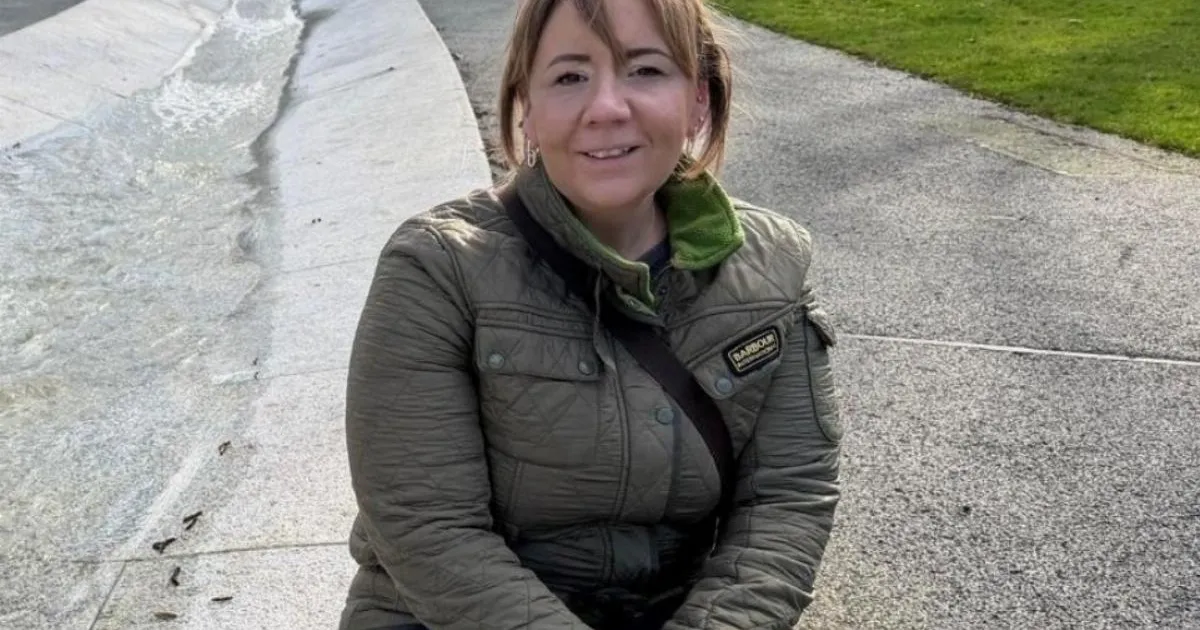
Helen Duncanson had just begun to feel safe again. After two years of what a judge later described as “mental torture” at the hands of her former partner, the 41-year-old ambulance practitioner was slowly rebuilding her life. The man who had strangled her until she lost consciousness, who controlled her money, her movements and her sense of self, was behind bars. His conviction and three-and-a-half-year prison sentence had given her something she had almost forgotten: a period of safety. Then came the letter. Michael Boyes, the man who had abused her, was being considered for early release under a government scheme designed to ease pressure on Britain’s overcrowded prisons. For Helen, the news was devastating. It felt as though the system was about to prioritise an offender’s convenience over her safety. She understood, she said, that prisons were under serious strain and that early release might be necessary in some cases. But victims of domestic abuse should not become an afterthought in that process. If an offender is released early, victims need clear information about when that will happen, what conditions will apply, what restrictions will be placed on the offender, and what support and protection will be available to the victim. They should not be left feeling that the system has prioritised an offender’s early release over their safety and wellbeing. Helen, who is training to become a paramedic, said she had begun rebuilding her life after Boyes was convicted, but the prospect of him potentially walking free early had left her distraught. She believes Boyes remains a danger to society, and the thought of him returning to her community is one she can barely bring herself to contemplate.
The relationship between Helen and Boyes began in June 2021 and seemed, at first, entirely normal. They were together for two years, and in the early days there was nothing to suggest the horror that was to come. But soon, Helen said, Boyes began to “pick” on her. What started as constant criticism and interrogation quickly escalated into physical violence. He would beat her, and he would strangle her. On one occasion, he strangled her until she lost consciousness and wet herself. He used his hands, his arm, and even the necklace Helen’s mother had given her. She remembers thinking, as she began to lose consciousness, “Thank god. All I wanted was peace.” She thought he would kill her. The psychological abuse was just as relentless. Boyes would interrogate her about her appearance, where she was going, who she was with, and her bank accounts. He left her in huge financial debt, and she realised only later that he was taking drugs. She was forced to give him money, otherwise she would be attacked. One of the most heartbreaking moments came when he destroyed a precious gift from her late mother: a beautiful set of Alice in Wonderland china that her mum had bought for the first house she would never see. Boyes stood one day and threw a pasta bowl at the wall. “My heart just broke,” Helen said. “He said: ‘Give me some money or I’ll chuck it.’ I was devastated.” Later that night, he cried and apologised. But the damage was done. Helen said that once you are in that deep, you cannot get out. She was sometimes too scared to go home and would sleep in her car in the woods just to avoid him. The abuse went on for two years, leaving her terrified, isolated and stripped of her confidence.
Eventually, Helen found the strength to end the relationship. But even then, the fear did not stop. It was only after she discovered that Boyes had a new partner that she reported him to the police. The case went to York Crown Court, where prosecutor Michael Cahill revealed that Boyes had more than 20 previous convictions, including for domestic violence. Three weeks before his trial was due to begin, Boyes pleaded guilty to assault occasioning actual bodily harm and engaging in controlling or coercive behaviour. He was also charged with four counts of theft, for which he was not sentenced but which remained on the indictment. Judge Hickey described Boyes’ treatment of Helen as “mental torture” and jailed him for three and a half years, along with a 10-year restraining order. For Helen, the sentence was more than just a punishment for her abuser. It was a lifeline. “A prison sentence is not simply a number on a piece of paper to a victim,” she said. “It can represent a period of safety. It can provide time to recover, to make arrangements, and to start building a life without constantly worrying about the person who harmed you.” Being jailed allowed her to feel safe for the first time in years. She could sleep without the knot in her stomach. She could begin to imagine a future that did not revolve around his moods, his demands, his violence. She was training to become a paramedic, focusing on her career, and slowly learning to trust herself again. The sentence gave her a window of peace, and she intended to use it.
But the early release scheme has thrown all of that into doubt. The policy, which has proven deeply controversial, made headlines after it was determined that the men responsible for the death of PC Andrew Harper would not be eligible. That decision prompted scrutiny over other cases, including Boyes’. Helen was given notice that Boyes, who is due for release in September 2027, could be freed even sooner under the government’s plans. The scheme was introduced to address the serious pressures facing the prison system, but for victims of domestic abuse, it has become a source of profound anxiety. Helen said she understands the prison system faces serious pressures and that there are legitimate reasons to consider early release. However, she argues, victims of domestic abuse should not become an afterthought in that process. If an offender is released early, victims need clear information about when that will happen, what conditions will apply, what restrictions will be placed on the offender, and what support and protection will be available to the victim. They should not be left feeling that the system has prioritised an offender’s early release over their safety and wellbeing. The Ministry of Justice said it is working to fix a prison system it inherited “on the brink of collapse” and understands “the public’s anger that these options are even being considered.” But Helen does not believe the proposals take into account the feelings of victims “for a second.” She asked: “How can a person even begin to know now what it feels like to be truly terrified of another person and to feel completely vulnerable?”
Helen’s story highlights a deeper truth about domestic abuse and the criminal justice system. People who have suffered domestic abuse have already had their sense of safety taken away from them. The justice system should be helping to restore that sense of safety, not leaving victims wondering whether the person who abused them will soon be back in their community. For Helen, the prison sentence was never just about retribution. It was about protection. It was about giving her time to heal, to make arrangements, and to build a life without constantly worrying about the person who harmed her. The early release scheme, she fears, treats prison sentences as abstract numbers on a piece of paper, ignoring the real human beings whose lives depend on them. Victims deserve to be heard. They deserve to be informed. Most importantly, they deserve to feel safe. Helen said she has begun rebuilding her life now that her attacker is behind bars, but the possibility of his early release has left her feeling vulnerable again. She worries that the system is so focused on easing pressure on prisons that it has forgotten the people on the outside who are still living with the consequences of violent crime. She is not asking for vengeance. She is asking for consideration. She is asking for the same system that promised to protect her to actually follow through.
The Ministry of Justice has defended the scheme, saying it has always stated it wanted to go further and is fast-tracking a plan to keep more of the most dangerous offenders behind bars. That is on top of murderers and those serving sentences for rape, serious child sexual abuse and grooming offences who are already blocked from any changes. The department said it shares the public’s anger that these options are even being considered, after inheriting a prison system on the brink of collapse. It is fixing this by building 14,000 new prison places, expanding electronic tagging on an unprecedented scale, and investing in probation services at record levels. It is also exploring how to go further, including faster deportation of foreign criminals and reviewing unjust IPP sentences. But for Helen, these assurances ring hollow. She believes Boyes remains a danger to society, and the thought of him being released early is terrifying. She has already been through so much: the beatings, the strangling, the financial abuse, the destruction of her mother’s china, the nights sleeping in her car in the woods. She has survived, but she should not have to live in fear again. The justice system, she says, should be helping to restore her sense of safety, not leaving her wondering whether the person who abused her will soon be back in her community. As she continues to train as a paramedic and rebuild her life, Helen hopes her story will remind policymakers that behind every sentence is a victim, a survivor, a human being whose safety matters. She wants them to know that a prison sentence is not simply a number on a piece of paper. It can represent a period of safety, a chance to recover, and the foundation of a new life. And she wants them to remember that victims deserve to be heard, informed, and, above all, safe.