


In the quiet wetlands of Cheshire, a remarkable transformation is underway, led by some of nature’s most industrious engineers. These are not human engineers with blueprints and machinery, but a family of Eurasian beavers, creatures with paddle-shaped tails and a natural aptitude for landscape management. Their story, unfolding over recent years, is offering a glimmer of hope in the face of a changing climate. A new study from the University of Liverpool has revealed that these adorable, toothy rodents are proving to be formidable allies in the fight against drought, one of the most pressing environmental challenges facing the UK today. By their simple act of building dams and creating ponds, they are not just altering their immediate surroundings; they are fundamentally reshaping the local hydrology, making entire ecosystems more resilient to the hotter, drier conditions that are becoming our new normal. The research presents a compelling case for a “nature-based solution” that could help restore vital habitats and lock away carbon, suggesting that the humble beaver might just be one of our most valuable partners in navigating an uncertain environmental future.
The findings, meticulously gathered between 2020 and 2024 by researchers working in partnership with the Cheshire Wildlife Trust, centered on the Cheshire Beaver Project. This pioneering initiative saw a family of beavers reintroduced into the main inflow of Hatch Mere in Frodsham, a site that had previously been identified as struggling. Dr. Melanie Baker, the study’s author, oversaw a period of intense observation that captured a critical moment in the UK’s recent climatic history. The results were nothing short of dramatic, clearly demonstrating the profound impact these mammals have on their environment. The study’s core evidence showed that not only did water levels in the beaver ponds triple, but the water table across the surrounding peatland increased by a staggering 37 times compared to pre-beaver conditions. This wasn’t just about creating a big pond for the beavers to swim in; it was about rehydrating an entire landscape, ensuring that moisture was slowly and steadily soaked up and stored, effectively creating a natural reservoir that could sustain the ecosystem through periods of acute stress.
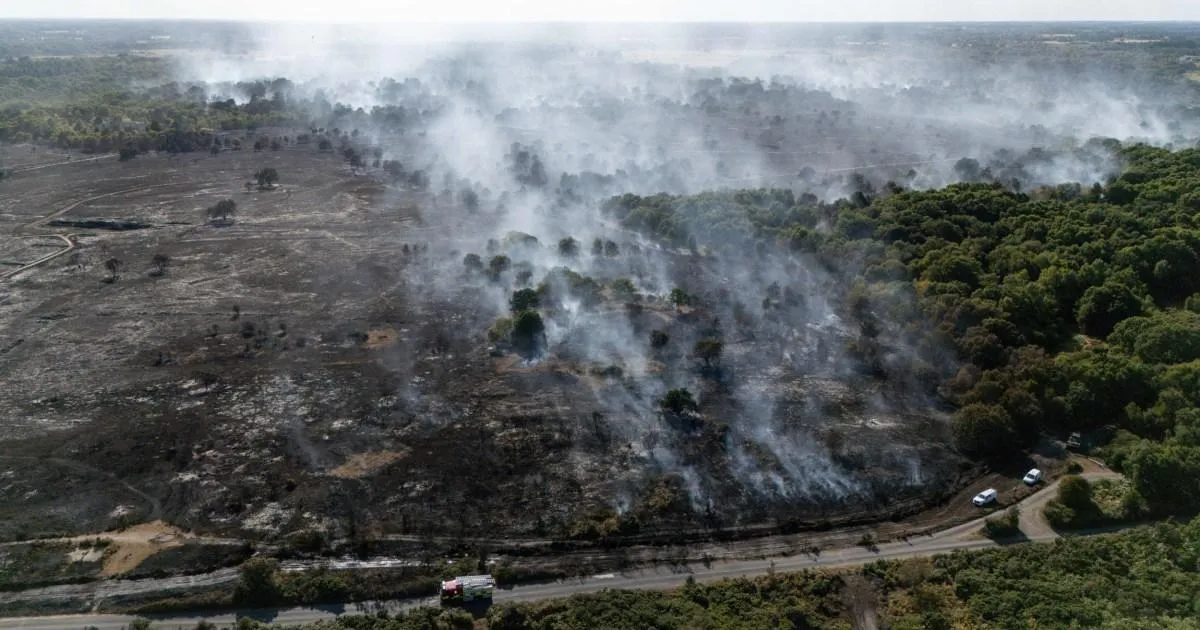
Nowhere was this ecosystem-level benefit more evident than during the summer of 2022, a period that saw the UK in the grip of a severe drought. While the nation sweltered under record-breaking heat and parched landscapes cracked, the area inhabited by the beavers in Cheshire remained a verdant oasis. The research found that water levels in the presence of the beavers remained consistently above the pre-beaver baseline throughout the entire drought period, even as neighboring sites without such industrious residents experienced significant declines. This ability to maintain water levels underscores the beavers’ role as guardians of resilience. Their dams slow the flow of water, allowing it to percolate down and recharge the underground aquifers and the deep, water-logged soils of the peatland. This process not only keeps the immediate flora thriving but also creates a crucial buffer against the kind of devastating wildfires that have become a more frequent threat, proving that these creatures are not just cute, but essential to the health and survival of their habitats.
The importance of this discovery is magnified when considering the vital role of the UK’s peatlands. These boggy, waterlogged landscapes are among the nation’s most important natural assets, storing vast amounts of carbon in their deep, spongy soils—more than all the forests in the UK and France combined. They are also biodiversity hotspots, providing a home for a unique community of plants and animals. However, decades of pollution, drainage, and neglect have left many of these precious habitats degraded. Dried-out peat is not only a poor store for carbon, but it actively releases it into the atmosphere, becoming a source of greenhouse gas emissions rather than a sink. This degradation also makes them highly susceptible to fire. The Liverpool University study suggests that by raising the water table, beavers are able to reverse this damage, keeping peatlands in prime condition to lock up carbon and support life, essentially helping to restore a vital natural defense mechanism against climate change. Gareth Longden from the Cheshire Wildlife Trust summarized the effect perfectly: “Not only do we have this amazing pond that they have created, all of that water is also being soaked up by the peat body underneath… It helps keep water in the landscape and after the seemingly continuous drought that we have had all year. This is one of the few areas that has remained really wet.”
This new evidence arrives at a crucial time as the UK confronts the escalating impacts of climate change. The period of the study itself was marked by severe drought, with July 2022 declared the driest month in England since 1935, leading to widespread hosepipe bans. The subsequent years have painted a stark picture of a warming world, with record-breaking temperatures and a staggering number of heat-related deaths. The study’s findings offer a pragmatic, proactive, and nature-led approach to mitigating the effects of these extreme weather events. Rather than relying on costly and energy-intensive gray infrastructure like concrete reservoirs, beavers offer a low-maintenance, self-sustaining solution for water management. Their dams are free, self-repairing, and come with a host of co-benefits, from filtering water and creating wildlife habitat to recharging groundwater supplies. Longden acknowledged that beavers can create challenges, such as felling trees that have particular wildlife value or causing localized flooding, but stressed that, in the long run, the benefits of working with these animals far outweigh the negatives.
The success of the Cheshire project is part of a wider resurgence for the beaver across Britain. After being hunted to extinction centuries ago for their fur and meat, these animals are making a comeback. From successful projects in Devon and Scotland to the release of a family of beavers into an urban wetland in Ealing, London, where they have been credited with preventing flooding for three consecutive years, the signs of their restorative power are becoming increasingly clear. The study’s findings add powerful weight to the argument that beavers should be reintroduced into the wild more broadly, not just kept in enclosures. In 2023, the government signaled its support for this by announcing that licensed releases into the wild could be permitted. As the UK emerges from what was recorded as its hottest ever summer, the story of the beaver is a powerful and hopeful one. It illustrates a shift in perspective, moving away from seeing nature as something to be conquered and controlled, toward recognizing it as a vital partner. By embracing these skilled ecosystem engineers, we are not just helping to save an adorable species, but are actively investing in a more climate-resilient, biodiverse, and secure future for the entire country.