



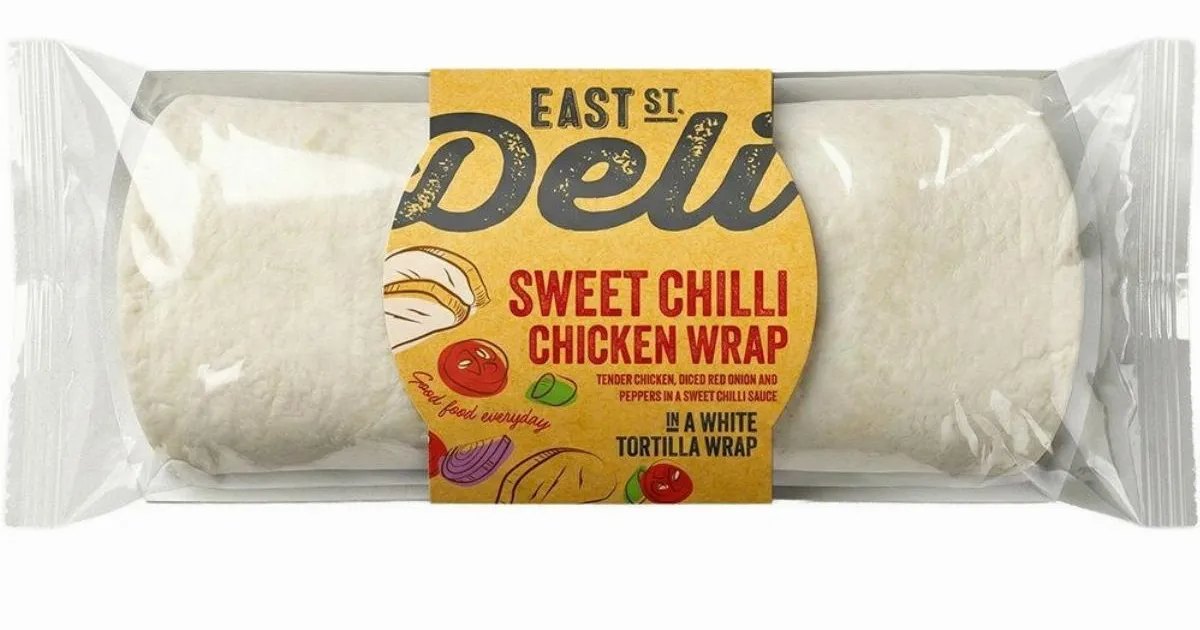
Imagine the ordinary ritual of opening the fridge to grab a quick lunch, a simple act of trust that we rarely question. You pull out a packaged chicken wrap, ready to eat it on the go, never suspecting that the seemingly innocent meal in your hand could be the source of a serious, potentially life-altering bacterial infection. This is the unsettling reality that many consumers are now facing after Summit Foods, a food manufacturing company, issued an urgent recall for several of its popular chicken wrap and fajita products. The reason for the recall is far from trivial: these items may be contaminated with a particularly dangerous strain of E. coli known as Shiga toxin-producing E. coli (STEC). This specific pathogen is not your average stomach bug; it is a formidable enemy that can trigger everything from violently bloody diarrhea to a rare but devastating condition that can ultimately cause kidney failure and, in the most extreme cases, prove to be fatal. The alarm was raised by the Food Standards Agency (FSA), which moved swiftly to warn the public to immediately stop consuming these products and to dispose of them safely, turning a normal day into a sudden health alert for anyone who may have purchased these specific items.
The recall specifically targets four distinct lines of filled wraps and fajitas, all individually packaged and distributed under different brand names. The affected items are the Snacksters Chicken Fajita Wrap, the Snacksters Hoi Sin Wrap, the East Street Deli Sweet Chilli Chicken Wrap, and the Target a Snack Chicken Fajita Wrap. These are exactly the kind of products you might grab from a corner shop, a convenience store, or a supermarket deli counter for a quick and easy meal. To make it perfectly clear for consumers, all of the recalled products carry a use-by date of up to and including September 5, 2026. This is a critical detail, as it extends the risk far into the future; these are not perishable items that would expire in a few days, but rather products with a lengthy shelf life, meaning many people may have them stashed in their refrigerators or pantries right now, completely unaware of the danger they pose. The FSA has been explicit in its warning, stating that anyone who has purchased any of these wraps should not eat them under any circumstances. The proper course of action is to discard the product immediately, ensuring that it is disposed of in a way that prevents other people or animals from accidentally consuming it. The scale of the recall is significant, affecting a cross-section of popular brands, which highlights the severe nature of the contamination scare and the urgency with which regulatory bodies are treating this potential public health crisis.
Understanding the true severity of this issue requires a closer look at what exactly STEC E. coli is and what it does to the human body. Standard E. coli is a common bacteria that lives in the guts of humans and animals, and most strains are harmless. STEC, however, is a malicious variant that produces a potent toxin, the Shiga toxin, which can cause severe damage to the lining of the intestine. The symptoms typically begin with intense stomach cramps and progress to severe diarrhea, which frequently becomes bloody. For many, this might sound like an extremely unpleasant bout of food poisoning, but the real danger lies in the complications. In roughly 5-10% of patients infected with STEC, particularly young children and the elderly, the infection can lead to a serious complication known as haemolytic uremic syndrome (HUS). HUS is a terrifying condition that destroys red blood cells and causes acute kidney injury, often leading to permanent kidney failure that requires dialysis or a kidney transplant. In its most acute form, HUS can be fatal. This is why the FSA’s guidance goes beyond just physical symptoms; they have explicitly advised that if you are experiencing these symptoms, you must stay away from work, school, or nursery until you have been symptom-free for at least 48 hours. This is a crucial public health measure, because the bacteria is highly contagious and can easily spread from person to person, turning a personal illness into a community-wide outbreak if proper hygiene isolation is not observed. The warning serves as a stark reminder that food safety scares are not just about inconvenience; they are about protecting the most vulnerable members of society from invisible killers.
In the wake of the recall announcement, Summit Foods has stepped forward with a public statement, attempting to walk the delicate line between corporate accountability and consumer reassurance. Their press release acknowledges the issue immediately, confirming that the potential problem was flagged during their own routine testing. This admission is crucial, as it demonstrates that their internal quality control measures are functioning, catching the contamination before it becomes an even wider public health emergency. The company has stated they are working closely with the authorities and their retail customers to execute the recall of the affected products efficiently and thoroughly, emphasizing that “consumer safety remains our highest priority.” Of course, regardless of the corporate polish, the key line for many consumers is their apology: “We are sorry for any concern or inconvenience this may cause.” It is a classic corporate apology formula—one that attempts to soothe frazzled nerves while legally protecting the company—but it does little to alleviate the very real worry that comes with knowing you might have ingested a potentially deadly pathogen. For those who have already consumed the products companionly over the past few days, this news will likely send a shiver of anxiety down their spines. The apology acknowledges the emotional toll this places on everyday people, who trusted a brand to provide a safe, convenient meal, only to be rewarded with a ticking biological time bomb in their lunchbox.
For consumers who may have bought these items, the immediate steps are clear, but they come with practical nuances. The first and most obvious step is to check the packaging in your fridge or freezer against the four listed product names and their corresponding use-by dates. If you find a match, do not open or taste it to see if it smells or looks off—STEC E. coli shows no visible sign and does not alter the taste of the food. Safely wrap and dispose of the product in a sealed bag to prevent any cross-contamination with other foods or surfaces. After handling the product, thoroughly wash your hands and any surfaces that may have come into contact with the packaging with hot, soapy water. For those seeking a refund, Summit Foods has set up a direct line of communication: customers can send a proof of purchase, such as a receipt or a photograph of the product, to the email address [email protected]. While a refund is a welcome gesture, it feels almost secondary to the primary need for health and safety. The company is likely bracing for a flood of inquiries; some from consumers seeking financial recompense, but likely many more from worried parents asking what symptoms to look for in their children, or from immunocompromised individuals who are terrified of the potential consequences of a single bite.
Ultimately, this recall serves as a powerful, sobering reminder of the fragility of our industrial food system and the immense trust we place in anonymous manufacturing plants. We expect that the chicken in our wrap was cooked to a safe temperature, that the lettuce was washed, and that the production line was sterile. Often, the system works, with routine testing catching a problem before it spirals out of control. Yet, the news of a recall like this shakes that foundational trust, forcing us to realize that the safety of our meals is not a given but a careful process that can break down at any point. For now, the message is unmistakable: check your pantry and fridge. If you see the Snacksters, East Street Deli, or Target a Snack products mentioned, take them out, dispose of them safely, and monitor yourself and your family for any symptoms of gastrointestinal distress. In the grand scheme of things, it is a small inconvenience compared to the potential horror of a kidney failure diagnosis. While Summit Foods apologizes and the FSA continues its investigation, the rest of us are left with a poignant lesson: sometimes, the most mundane act of making lunch can carry unexpected riddles—and staying informed is our best defense against the bugs we can’t see. The reassurance, though fragile, is that the recall system identified the threat and is acting, offering a glimmer of safety in a world where we must always remain vigilant about what we consume.