

Britain is slowly learning what it means to live with drought, and the lesson is arriving at the worst possible time. Day after day of cloudless skies and scorching heat have left the country parched, with no meaningful rain on the horizon and conditions growing more dangerous by the hour. The evidence is all around: fields turning brittle and yellow, rivers shrinking to muddy strands, and gardens that once were green now crunching underfoot. But the next stage of this crisis is about to hit much closer to home. Government ministers are drawing up plans to restrict water use in ways that would have seemed unthinkable a few months ago. Private pools, window washing, car washes and other non-essential uses could all face new limits if the dry spell continues. That might sound like an inconvenience to some, but for many families and small businesses it is a source of real anxiety. Parents who bought a paddling pool to give their children some relief from the heat could wake up to find a letter telling them it cannot be filled. People who run cleaning firms or car washes are looking at their water bills and wondering how they will stay afloat. And at the heart of it all is a simple, uncomfortable truth: after months of record temperatures, Britain’s water supply is no longer something anyone can take for granted. The taps still run for now, and most people still use water without a second thought, but the mood is shifting from concern to quiet panic. As ministers talk about planning for a range of scenarios, ordinary people are already planning their own contingencies: buying bottled water before the shelves run bare, letting the lawn turn brown, putting off the car wash for another week, and hoping that the strange, relentless heat will finally break. It is a new and unsettling reality for a country where rain used to be the default setting, and it is only going to become more uncomfortable before it becomes better.
The immediate trigger for the new warnings was fire. Just days ago, ministers quietly announced that disposable barbecues would no longer be sold. The government’s own advice was blunt: these cheap, portable grills have been the cause of a number of serious wildfires across the country over the summer, and they pose a significant risk to the public. It is not hard to see why. One abandoned barbecue at the end of a hot, dry day can turn a field into an inferno, and with the ground so dry, the flames spread with terrifying speed. Firefighters have been stretched almost to breaking point, racing from one blaze to another as parched vegetation makes every spark dangerous. Entire communities have watched plumes of smoke rise on the horizon, not knowing whether their homes would be next. The fear is that the situation will get worse, which is why an emergency financial support package is being drawn up for fire services already battling summer wildfires. The crews themselves are exhausted, and their equipment is being pushed hard, but every new incident brings the same impossible challenge: too much dry land, too little water, and no time to rest. The barbecue ban is an important symbol, a recognition that something has to give. But it is also a warning. If the country cannot be trusted to grill outdoors safely, what comes next? The answer, according to the people monitoring the crisis, is a much broader set of restrictions on water use that will touch nearly every part of daily life. The days of non-essential water use may be numbered, and everyone from gym owners to sports pitch managers is bracing for what that might mean.
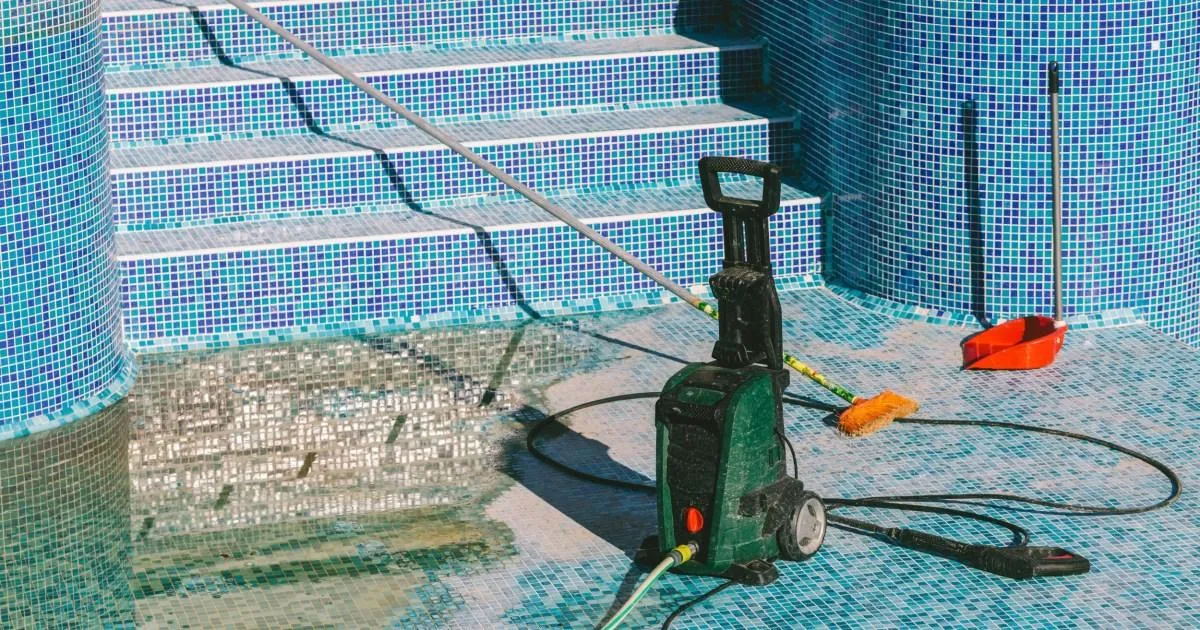
If the barbecue ban was a warning, the next wave of restrictions could be a shock. Non-essential use bans are likely to become common among businesses, and the government has made clear that car washes, gyms, sports pitches, private pools and many other water-hungry operations could soon face limits on how much they can use. For a small business owner, that is not just a political talking point. A car wash that cannot wash cars is a car wash that cannot pay its staff. A gym that has to turn off its showers is a gym that loses its members. A sports pitch that cannot be watered becomes a hard, dusty field, dangerous to play on and impossible to enjoy. Private pools, once seen as a luxury, are now becoming a battleground: some councils are reportedly considering restrictions on filling them, and families who spent thousands of pounds during the pandemic to create an outdoor escape are wondering whether they will be forced to watch the water evaporate. Meanwhile, window washing, that quiet, overlooked service that keeps office blocks and homes looking respectable, is suddenly in the same category as watering the garden or hosing down the driveway. The distinction between essential and non-essential use is becoming a daily moral test. A glass of water for a child? Essential. A shower after work? Essential, though perhaps shorter than usual. A paddling pool for the dog? Probably not. That may feel unfair, especially for the most vulnerable people trying to cope with another heatwave, but the message from officials is clear: every drop counts. The question is how far they will go, and which parts of ordinary life will be asked to sacrifice first. For many people, the fear is not restrictions themselves but the sense that no one has a clear plan, and that the country is simply lurching from one emergency to the next.
Behind the scenes, the government is trying to sound reassuring, even as it prepares for the worst. A spokesperson said that, as any responsible government would, ministers are preparing for a range of scenarios and working with the National Drought Group to help maintain water supplies. They expect water companies to follow their established drought management plans and to go further and faster to reduce leaks. That particular promise may raise a wry smile among bill payers who have watched water companies lose billions of litres through old, cracked pipes every year. The same spokesperson was unusually honest: the water sector is not working for bill payers. That is why, they said, the government is driving long-term change, including requiring companies to deliver record investment in infrastructure and changing the planning system to enable the construction of nine new reservoirs. All of that sounds good in theory, but reservoirs take years to build, and the rain may not wait. For ordinary people, the long-term promises are cold comfort when they are standing in front of a hosepipe ban or wondering whether the reservoir near their home is visibly disappearing. What they want to know is simple: will there be enough water to drink, to wash, to cook, to live? The government insists the answer is yes, but the constant warnings about new restrictions and the emergency funding for fire services tell a different, more anxious story. It is also a story about who gets to use water and who does not. When water becomes scarce, the wealthiest can often protect themselves, while working families and small firms are left to make impossible choices. The government’s admission that the water sector is failing bill payers is a welcome step, but it is a long way from solving the deeper crisis of ageing infrastructure, overconsumption and a climate that is no longer delivering the reliable British rain everyone once took for granted.
The scale of the drought is hard to overstate. Almost three-quarters of England and all of Wales have now been officially declared in drought, which means the land is so dry that it creates the perfect conditions for fire to spread. Already this year, England and Wales have experienced as many wildfires as they would normally see in an entire year, and the summer is not over yet. That statistic should make people stop and think. Every heath, every woodland, every grass verge is now a potential tinderbox. Andy Burnham, the Mayor of Greater Manchester, did not mince words when he described Britain as a tinderbox right now. He admitted that the country has to face up to the changing climate and must transition to more clean energy. It is a rare moment of political candour, and it speaks to something deeper than the immediate crisis. The hot, dry summer is not a freak accident, and it is not a single heatwave that will pass quickly. It is part of a pattern, a slow but unmistakable shift in the weather systems that have shaped the British landscape for centuries. The country is getting hotter, the summers are getting drier, and the winters, when they come, may bring too much water at once rather than a gentle, steady rainfall. That is a difficult truth for a nation that likes to talk about the weather as a safe, meaningless topic of conversation. Now the weather has become a matter of survival. The drought is a warning from the natural world, and it is impossible to ignore. The question is whether politicians, water companies and ordinary citizens will listen, or whether they will wait until the taps run dry and the fires reach the outskirts of town before taking real action.
There is still hope, of course. Forecasts suggest that cooler weather may finally be on its way, and there is even the possibility of some rain after weeks of nothing. But the Met Office has also warned that a sixth heatwave could hit the UK in a matter of weeks, so the reprieve may be short-lived. MPs have implored the Prime Minister to confront the desperately worrying strain on the country’s water resources and to speed up the rate at which new reservoirs are built. The slow, bureaucratic process of planning and construction is no longer acceptable when the evidence of climate breakdown is all around us. The coming weeks will test the country’s resilience, but they will also test its values. Do communities share water fairly, or does the strongest grab the most? Do people accept that washing a car is less important than keeping a hospital running, or do they rage against every restriction? And do political leaders finally take the long view, investing in the reservoirs, the pipes, the clean energy and the climate resilience that should have been built decades ago? The answer to those questions will shape Britain long after this particular drought becomes a memory. For now, the best anyone can do is conserve what is left, look out for neighbours, support the fire crews and health workers who are on the front line, and hope that the sky will, at last, turn grey and heavy with rain. But hope is not a plan. The season has exposed the fragility beneath the surface of modern life, and the only sensible response is to prepare, together, for a future that will contain more summers like this one.